
📑 Table of Contents
If you’re navigating menopause and struggling with stubborn weight gain, you’re not imagining it. Declining estrogen, slower metabolism, and insulin resistance create the perfect storm for extra pounds — especially around the midsection.
So, what is the best weight loss medication for women in menopause? With new options emerging and older ones getting a second look, the answer has never been more nuanced — or more promising.
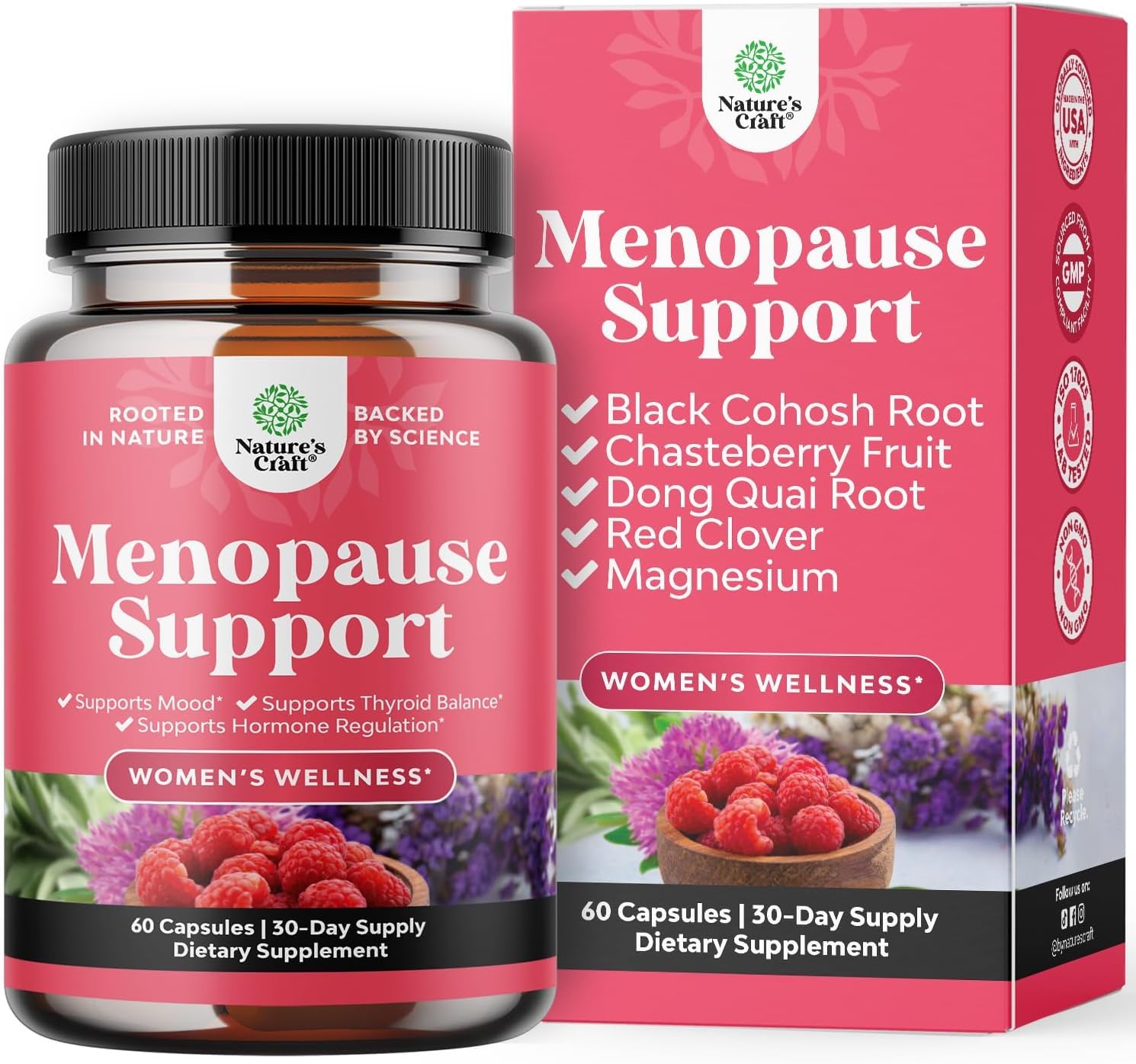
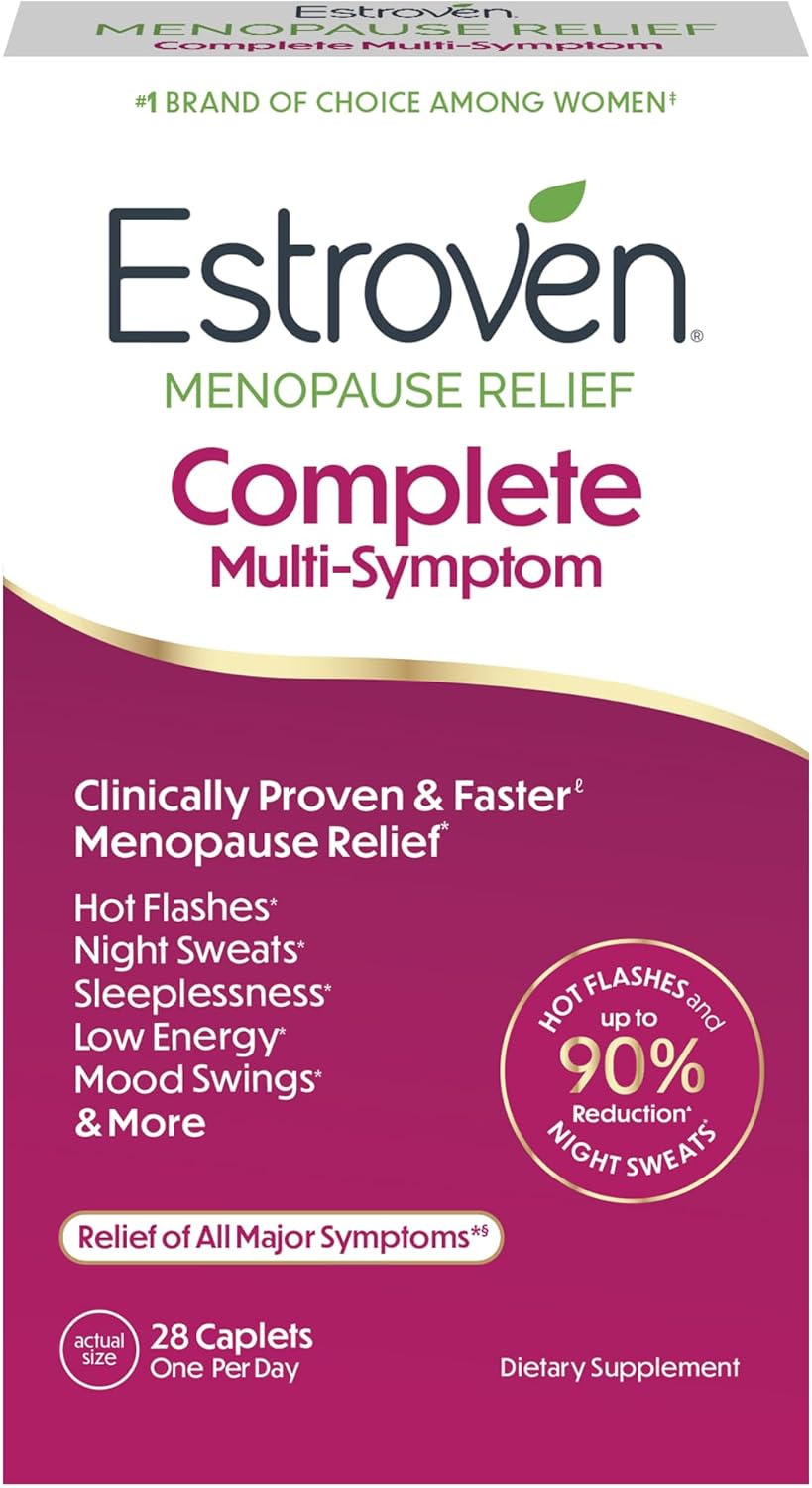
Formulated with metabolism-boosting botanicals and adaptogens to complement your weight loss journey during menopause.
📸 Caption: Try the Menopause Weight Support Complex — thousands of women report better energy and fewer cravings.
Why Menopause Makes Weight Loss Harder
Before diving into medications, it’s crucial to understand the “why.” During perimenopause and menopause:
- Estrogen drops — leads to increased insulin resistance and fat storage, particularly visceral fat.
- Muscle mass decreases — slowing resting metabolic rate by 10–15%.
- Sleep disturbances — elevate cortisol, which promotes weight retention.
- Hunger hormones shift — ghrelin increases, leptin sensitivity decreases.
This is why lifestyle changes alone often fail — and why medication can be a game-changer.
1. GLP-1 Receptor Agonists — The New Gold Standard
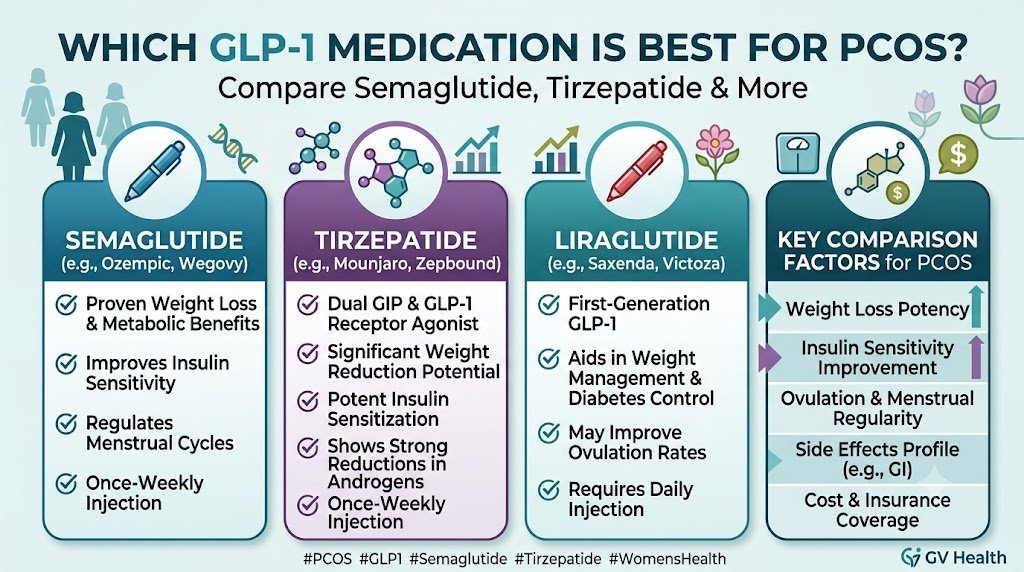
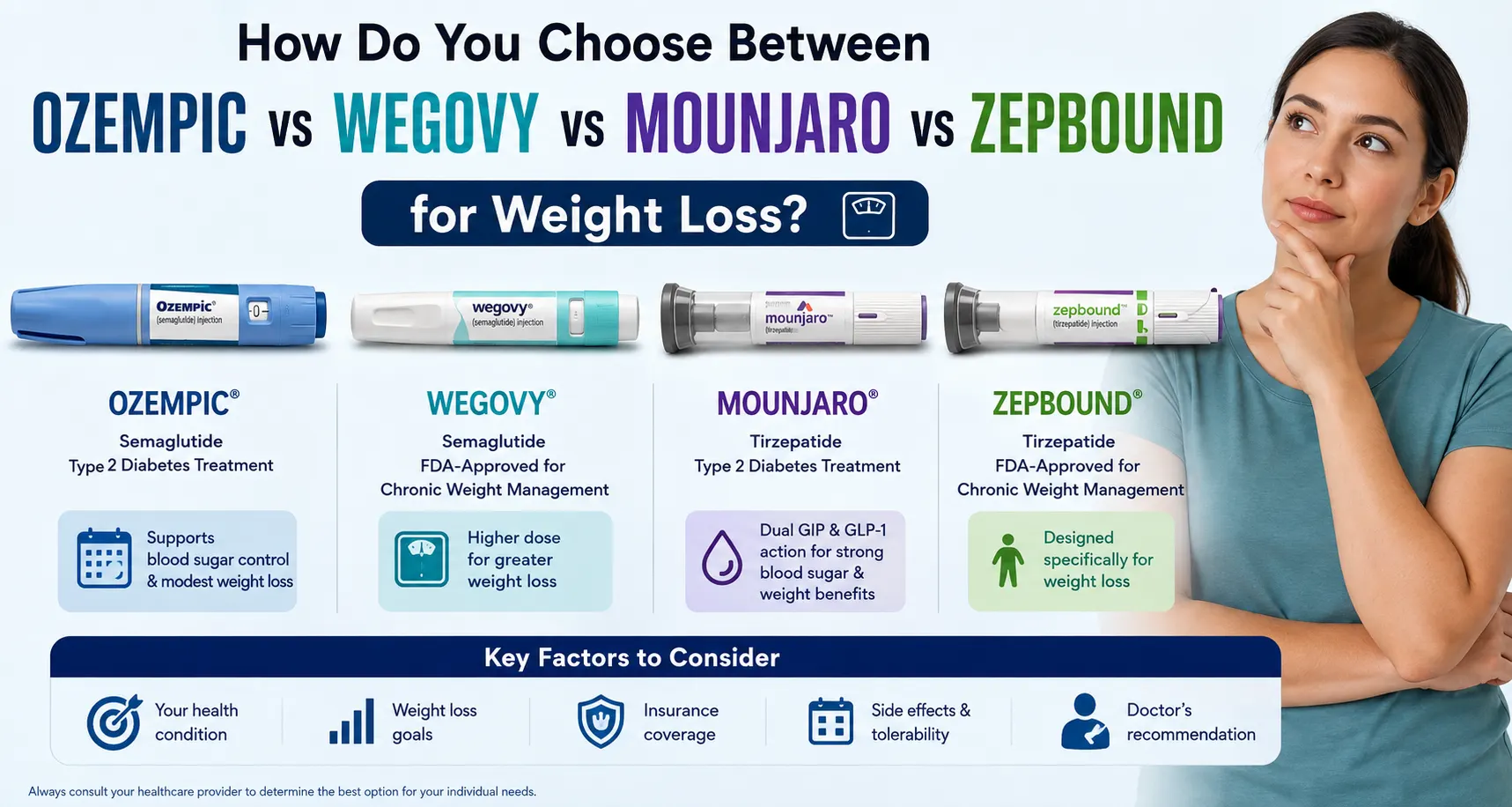
Semaglutide (Wegovy, Ozempic) and tirzepatide (Mounjaro, Zepbound) have revolutionized weight loss. These medications mimic a hormone that regulates appetite, slows gastric emptying, and improves insulin sensitivity.
- Average weight loss: 15–22% of body weight over 68 weeks.
- Menopause bonus: Improves blood sugar control and reduces cardiovascular risk factors.
- Side effects: Nausea, vomiting, diarrhea (usually temporary).
- Best for: Women with BMI ≥30 or ≥27 with weight-related conditions.
Many menopause specialists now consider GLP-1s a first-line option for eligible patients due to their metabolic benefits beyond weight loss.
2. Phentermine & Qsymia (Phentermine/Topiramate)
Phentermine is a sympathomimetic amine that suppresses appetite. Qsymia combines it with topiramate, an anticonvulsant that enhances satiety.
- Average weight loss: 5–10% of body weight.
- Menopause bonus: Affordable, available in generic forms.
- Side effects: Dry mouth, insomnia, increased heart rate, tingling.
- Best for: Short-term use (≤12 weeks) or as an adjunct.
Phentermine is generally not recommended for women with hypertension or heart conditions — always check with your doctor.
3. Contrave (Naltrexone/Bupropion)
This combination works on the brain’s reward system to reduce cravings and increase satiety. Bupropion also provides a mild energy boost.
- Average weight loss: 5–8% of body weight.
- Menopause bonus: Bupropion may help with mood and menopausal depressive symptoms.
- Side effects: Nausea, headache, insomnia, dizziness.
- Best for: Women with emotional eating patterns or co-existing depression.
Comparison: Top Medications for Menopausal Weight Loss
| Medication | Avg. Weight Loss | Dosing | Key Consideration |
|---|---|---|---|
| Semaglutide (Wegovy) | 15% | Weekly injection | Best overall efficacy |
| Tirzepatide (Zepbound) | 20%+ | Weekly injection | Highest weight loss |
| Qsymia | 10% | Daily pill | Good for cost-sensitivity |
| Contrave | 5–8% | Daily pill | Mood & craving support |
A science-backed blend of green tea extract, chromium, and B-vitamins designed to support metabolic rate and reduce fatigue during menopause.
📸 Caption: Boost your metabolism naturally with this top-rated formula — perfect alongside prescription treatments.
4. Natural & Lifestyle Support That Complements Medication
No medication works in a vacuum. For best results during menopause:
- Increase protein — 1.2–1.6g per kg of body weight preserves muscle.
- Strength train — at least 2x per week to boost metabolism.
- Manage stress — yoga, meditation, and adequate sleep lower cortisol.
- Stay hydrated — water intake supports metabolism and reduces false hunger.
- Consider supplements — vitamin D, omega-3s, and magnesium can support hormonal balance.
📸 Nutritional support for menopausal health
❓ Frequently Asked Questions
Yes, under proper medical supervision. However, menopause increases the risk of certain conditions (like osteoporosis and heart disease), so your doctor will carefully evaluate your health before prescribing.
GLP-1 agonists (semaglutide, tirzepatide) have shown the most significant reduction in visceral (belly) fat, thanks to their effect on insulin resistance and appetite regulation.
Yes, many women use both. Hormone replacement therapy may enhance the metabolic benefits of weight loss medications, but always discuss this with your healthcare provider.
Phentermine is generally the most affordable, but it’s only approved for short-term use. Qsymia and Contrave are more expensive but offer longer-term options.
Most weight loss medications are intended for long-term use. Stopping often leads to weight regain unless lifestyle changes are fully established.
This article contains affiliate links. If you click on a link and make a purchase, we may earn a small commission at no extra cost to you. All product recommendations are based on research and general user feedback — they are not intended to diagnose, treat, or cure any condition.
Medical Disclaimer: The information provided here is for educational and informational purposes only and does not constitute medical advice. Weight loss medications are prescription drugs that should only be taken under the care of a licensed healthcare provider. Always consult your doctor before starting or changing any medication, especially during menopause.
© 2026 · Evidence-based menopausal health guidance · Always consult your clinician.