🧬 The Peptide Fact Sheet
📑 Table of Contents
- 1. What Are Peptides? – Definition, biological function, and mechanism of action
- 2. FDA‑Approved Peptide Medications – GLP‑1 agonists and other approved therapies
- 3. Research Peptides (Unapproved) – BPC‑157, TB‑500, growth hormone secretagogues, and others
- 4. Evidence Classification by Peptide Type
- Human Clinical Evidence (Strong)
- Human Clinical Evidence (Limited/Preliminary)
- Animal/Preclinical Evidence Only
- Early Research / Investigational
- 5. GLP‑1 Drugs vs. Research Peptides: Key Differences
- 6. Safety and Regulatory Considerations
- 7. The Research Peptide Market: Quality and Contamination Concerns
- 8. Antidoping Implications for Athletes
- 9. FAQ Section (with Schema Markup)
- 10. References and Further Reading
1. What Are Peptides?
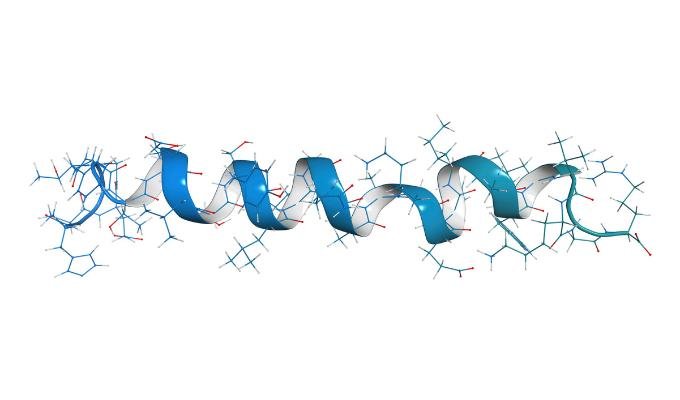
Peptides are short chains of amino acids linked by peptide bonds, typically consisting of 2 to 50 amino acids. They are smaller than proteins and function primarily as signaling molecules in the body. Your body naturally produces thousands of peptides, including hormones such as insulin, glucagon‑like peptide‑1 (GLP‑1), and growth hormone‑releasing hormone (GHRH). These naturally occurring peptides regulate numerous physiological processes, including hunger, growth, sleep, metabolism, and immune function.
Because peptides can influence specific biological pathways, researchers have developed synthetic and modified peptides as therapeutic agents. Some mimic natural hormones, while others are designed to target specific receptors or cellular mechanisms.
Key characteristics of therapeutic peptides
- Short‑chain amino acid sequences
- Act as chemical messengers
- Can be engineered for enhanced stability and receptor specificity
- Often administered via injection due to poor oral absorption (some oral formulations exist with absorption enhancers)
2. FDA‑Approved Peptide Medications
Several peptide‑based drugs have received FDA approval following rigorous clinical trials demonstrating safety and efficacy. These are prescription medications manufactured under current Good Manufacturing Practice (cGMP) standards with batch testing, potency verification, and lot traceability.
GLP‑1 Receptor Agonists (FDA‑Approved)
The most prominent class of FDA‑approved peptide medications are GLP‑1 receptor agonists (GLP‑1 RAs). These drugs mimic the natural GLP‑1 hormone, which regulates blood sugar and appetite.
| Medication | Brand Names | Administration | Indications |
|---|---|---|---|
| Liraglutide | Saxenda®, Victoza® | Daily injection | Weight loss, Type 2 diabetes |
| Semaglutide | Wegovy®, Ozempic®, Rybelsus® | Weekly injection or daily oral | Weight loss, T2D, cardiovascular risk reduction, MASH |
| Tirzepatide | Zepbound®, Mounjaro® | Weekly injection | Weight loss, T2D, obstructive sleep apnea |
| Dulaglutide | Trulicity® | Weekly injection | Type 2 diabetes, cardiovascular risk reduction |
| Exenatide | Byetta®, Bydureon® | Twice daily or weekly | Type 2 diabetes |
Clinical trial results for GLP‑1 medications
- Semaglutide (Wegovy): Average 15% body weight loss over 68 weeks; higher‑dose (7.2 mg) version showed ~19% weight loss
- Tirzepatide (Zepbound): Average 21% body weight loss over 72 weeks at highest dose (15 mg)
- Liraglutide (Saxenda): Average 8% body weight loss over 56 weeks
Other FDA‑Approved Peptide Therapies
- Tesamorelin (Egrifta®): Approved for HIV‑associated lipodystrophy (fat redistribution)
- Insulin: Various formulations for diabetes management
- Collagen‑derived injectables: Some have preliminary data for postoperative recovery benefits
3. Research Peptides (Unapproved)
Popular peptides promoted in fitness and wellness circles—often called “research peptides”—are not FDA‑approved for human use. They lack rigorous clinical trial data establishing safety and efficacy.
BPC‑157 (Body Protection Compound‑157)
- Proposed effects: Tendon and muscle repair, tissue healing, gastrointestinal protection
- Evidence: Animal studies show potential benefits for tendon and muscle repair, but findings are “largely unvalidated in human trials.” A single human case series reported pain improvements after intra‑articular knee injections, but significant methodological flaws and lack of controls limit reliability
- Regulatory status: Not FDA‑approved; currently classified as research‑grade; under FDA advisory committee review for possible reclassification to compounding pharmacy availability
- Antidoping: Banned in sports
TB‑4 and TB‑500 (Thymosin Beta‑4 and derivative)
- Proposed effects: Angiogenesis, tissue repair, wound healing
- Evidence: Preclinical models show promotion of angiogenesis and tissue repair, but “human orthopaedic data are lacking”
- Regulatory status: Not FDA‑approved; research‑grade
- Antidoping: Banned in sports
Growth Hormone Axis Secretagogues (CJC‑1295, Ipamorelin, Tesamorelin)
- Proposed effects: Stimulate growth hormone release for muscle growth and recovery
- Evidence: CJC‑1295 combined with ipamorelin showed improved muscle tension in murine models with glucocorticoid‑induced muscle loss, but these findings are “limited to animal studies.” Tesamorelin (approved for HIV lipodystrophy) has no supporting orthopaedic evidence
- Regulatory status: Not FDA‑approved for these uses; research‑grade (except tesamorelin for its specific indication)
- Antidoping: Banned in sports
GHK‑Cu (Copper Peptide)
- Proposed effects: Wound healing, anti‑inflammatory, anti‑aging
- Evidence: Preclinical promise in wound healing and anti‑inflammatory effects, but “no clinical data support its use for musculoskeletal conditions”
- Regulatory status: Not FDA‑approved for therapeutic use
4. Evidence Classification by Peptide Type
✅ Human Clinical Evidence (Strong – FDA‑Approved)
| Peptide/Class | Evidence Level | Key Studies | Applications |
|---|---|---|---|
| Semaglutide (Wegovy/Ozempic) | Multiple Phase III RCTs | STEP‑1 trial: ~15% weight loss | Weight loss, T2D, CVD risk, MASH |
| Tirzepatide (Zepbound/Mounjaro) | Multiple Phase III RCTs | SURMOUNT‑1: ~21% weight loss | Weight loss, T2D, sleep apnea |
| Liraglutide (Saxenda/Victoza) | Phase III RCTs | 56‑week trial: ~8% weight loss | Weight loss, T2D |
| Dulaglutide (Trulicity) | Phase III RCTs | Cardiovascular outcome trials | T2D, CVD risk reduction |
🔬 Human Clinical Evidence (Limited/Preliminary)
| Peptide/Class | Evidence Level | Key Studies | Applications |
|---|---|---|---|
| Collagen‑derived injectables | Small, single‑center prospective human studies | Preliminary postoperative symptom/early recovery benefits | Post‑surgical recovery |
| GLP‑1 agonists for knee OA | Reproducible randomized evidence | Symptomatic improvement mediated by weight loss and anti‑inflammatory effects | Osteoarthritis symptom management |
🐾 Animal/Preclinical Evidence Only
| Peptide/Class | Evidence Level | Key Studies | Applications |
|---|---|---|---|
| BPC‑157 | Animal studies; 1 flawed human case series | Tendon/muscle repair in animal models; unvalidated in human trials | Tissue repair, GI protection |
| TB‑4/TB‑500 | Preclinical models | Angiogenesis and tissue repair in animal studies; no human orthopaedic data | Wound healing, tissue regeneration |
| CJC‑1295 + Ipamorelin | Murine models | Improved muscle tension in glucocorticoid‑induced muscle loss | Muscle recovery, growth hormone stimulation |
🧪 Early Research / Investigational
| Peptide/Class | Evidence Level | Key Studies | Applications |
|---|---|---|---|
| Retatrutide | Phase III trials (ongoing) | Triple agonist (GLP‑1/GIP/glucagon) promising weight loss and glycemic control | Weight loss, T2D |
| Mazdutide | Phase III | GLP‑1/glucagon dual agonist | Weight loss, T2D |
| BGM0504 | Phase III | GLP‑1/GIP dual agonist | Weight loss, T2D |
| Efinopegdutide | Phase II | GLP‑1/glucagon dual agonist; effective in reducing liver fat | MASH, weight loss |
5. GLP‑1 Drugs vs. Research Peptides: Key Differences
| Feature | FDA‑Approved GLP‑1 Drugs | Research Peptides (e.g., BPC‑157, TB‑500) |
|---|---|---|
| FDA Status | Approved for specific indications | Not approved; “research use only” |
| Clinical Evidence | Large RCTs (thousands of participants) | Animal studies; few or no human trials |
| Manufacturing Oversight | cGMP standards; batch testing; lot traceability | No FDA oversight; variable quality |
| Prescription Required | Yes, through licensed pharmacies | Often sold online without prescription |
| Safety Monitoring | Adverse event reporting required | No reporting requirements |
| Dosing | Established, studied doses | Unknown; no established dosing |
| Long‑term Safety Data | Available from trials and post‑market surveillance | Unknown; no long‑term human studies |
| Legal Status | Legal with prescription | Regulatory gray area; may be illegal to prescribe/administer in some states |
6. Safety and Regulatory Considerations
Key Findings from Recent Reviews
A structured narrative review published in JBJS Reviews (2026) examined injectable peptides for sports medicine and reached several conclusions:
- GLP‑1 receptor agonists are the only peptide class with reproducible randomized evidence for symptomatic benefit (in knee osteoarthritis, primarily through weight loss and anti‑inflammatory effects).
- Regenerative peptides (BPC‑157, thymosin derivatives) and growth hormone secretagogues (CJC‑1295, ipamorelin) remain investigational with uncertain safety profiles.
- Clinical use should be confined to approved metabolic agents for indicated conditions or rigorously designed research protocols.
Regulatory Actions and Warnings
Alabama Board of Medical Examiners Official Notice (2025):
- Research‑grade peptides are not FDA‑approved and have not been tested for safety or efficacy
- Neither provider nor patient can fully assess risks or verify vial contents
- Prohibits physicians from prescribing, administering, or dispensing non‑FDA‑approved peptides
- Patient consent forms are ineffective at waiving provider liability
- CNMs, CRNPs, and PAs are not authorized to prescribe research‑grade peptides
Quality and Safety Risks
According to an analysis cited by Hone Health (January 2026):
- 3 in 10 research‑grade peptide products fail basic quality checks
- Common failures: mislabeling, purity below thresholds, incorrect dosing
- No lot tracking, no adverse event reporting, no safety data collection
7. The Research Peptide Market: Quality and Contamination Concerns
The Regulatory “Gray Area”
Research peptides are marketed as “laboratory chemicals” or “research use only,” existing outside FDA regulation for food, dietary supplements, and drugs. Oliver Catlin, president of BSCG, noted that these substances “are created to be drugs in one way, shape, or form or another, but haven’t yet gone through any of the typical approval pathways, clinical trials, and so forth to demonstrate efficacy and safety”.
Key findings from investigations
- Research peptides are flooding platforms like Amazon, Alibaba, and eBay
- Products may be mislabeled, contain contaminants, or not contain the advertised compound
- No expectation of Good Manufacturing Practices (GMP) applies to this category
Amazon, Alibaba, and Regulatory Response
Following an Associated Press investigation (December 2025), hundreds of research peptide listings were removed from major platforms. Amazon stated: “Although some of these substances may not be legally restricted in ordinary consumer contexts, we have proactively adopted stricter standards to define operational boundaries”.
Survey Data on User Awareness
A May 2026 survey of 2,491 U.S. adults (Hone Health):
- 50% of research peptide users mistakenly believe the compounds are FDA‑approved
- Highlights significant public confusion about peptide regulation and evidence standards
8. Antidoping Implications for Athletes
Several peptides promoted for recovery and performance are banned substances in sports:
- TB‑4 and TB‑500: Banned in sports
- Growth hormone‑releasing peptides: Banned in sports
- BPC‑157: On the World Anti‑Doping Agency (WADA) monitoring program
Implications for Athletes
The JBJS Reviews review emphasized that “clinicians caring for athletes must counsel patients regarding uncertain efficacy, product quality, safety risks, and antidoping implications”. Athletes using research peptides risk:
- Positive doping tests
- Sanctions and loss of eligibility
- Unknown health consequences
9. FAQ Section
What are peptides?
Peptides are short chains of amino acids that act as signaling molecules in the body. They regulate cellular functions and facilitate biochemical processes, including hunger, growth, sleep, and metabolism. Your body naturally produces peptides such as insulin and GLP‑1. Therapeutic peptides are synthetic or modified versions designed to target specific biological pathways.
Which peptides have human clinical trials?
FDA‑approved peptide medications like semaglutide (Wegovy, Ozempic), tirzepatide (Zepbound, Mounjaro), liraglutide (Saxenda, Victoza), and dulaglutide (Trulicity) have undergone large randomized controlled trials in humans. Some investigational peptides like retatrutide, mazdutide, and BGM0504 are in Phase III trials. Popular research peptides like BPC‑157 and TB‑500 lack human clinical trial data; their evidence is primarily from animal studies.
Are peptides FDA approved?
Some peptides are FDA‑approved as prescription medications, including GLP‑1 receptor agonists (semaglutide, tirzepatide, liraglutide, dulaglutide, exenatide), insulin, and tesamorelin (for HIV‑associated lipodystrophy). Most research peptides promoted in fitness circles—such as BPC‑157, TB‑500, CJC‑1295, and ipamorelin—are NOT FDA‑approved for human use.
How are GLP‑1 drugs different from research peptides?
GLP‑1 drugs are FDA‑approved medications supported by large clinical trials, manufactured under strict cGMP standards, prescribed through licensed pharmacies, and subject to ongoing safety monitoring. Research peptides like BPC‑157 and TB‑500 are not FDA‑approved, lack human clinical trial evidence, are produced without FDA oversight, are often sold online as ‘research use only,’ and have unknown safety profiles and dosing.
Is BPC‑157 FDA approved?
No. BPC‑157 is not FDA‑approved for any medical use. It is classified as a research‑grade peptide with evidence primarily from animal studies. A single human case series reported pain improvements after knee injections, but significant methodological flaws limit its reliability. The FDA is considering reclassifying BPC‑157 for compounding pharmacy availability, but this would not constitute full FDA approval.
Is TB‑500 FDA approved?
No. TB‑500 (a derivative of thymosin beta‑4) is not FDA‑approved. Preclinical studies show promotion of angiogenesis and tissue repair, but human orthopaedic data are lacking, and it remains a banned substance in sports.
What are the risks of taking research peptides?
Risks include: unknown safety and efficacy (no human clinical trials), contamination or mislabeling (3 in 10 research peptides fail quality checks), dosing errors (no established doses), infection from self‑injection, potential for endocrine disruption or cancer risk (no long‑term safety data), and legal risks (some states prohibit prescribing research peptides). Using research peptides essentially means participating in an uncontrolled personal experiment.
Are research peptides legal?
Research peptides exist in a regulatory gray area. They are sold as ‘laboratory chemicals’ or ‘research use only’ and are not regulated as drugs. However, some states (e.g., Alabama) explicitly prohibit physicians from prescribing, administering, or dispensing non‑FDA‑approved peptides. Prescribing or recommending research peptides may constitute the practice of medicine and violate state law.
Can doctors prescribe research peptides?
In many cases, no. The Alabama Board of Medical Examiners has issued an official notice prohibiting physicians from prescribing, administering, or dispensing research‑grade peptides, stating that patient consent forms do not waive provider liability. Some peptides like sermorelin are on the FDA 503A Bulks List and can be compounded with a prescription, but most research peptides cannot legally be prescribed.
What are the best peptides for weight loss?
The only peptides with strong clinical evidence for weight loss are FDA‑approved GLP‑1 receptor agonists: semaglutide (Wegovy) showing ~15% body weight loss, tirzepatide (Zepbound) showing ~21% loss, and liraglutide (Saxenda) showing ~8% loss. Several investigational peptides (retatrutide, survodutide, VK2735) are in clinical trials but not yet approved. Research peptides marketed for weight loss lack evidence and are not recommended.
What is the Wolverine stack?
The ‘Wolverine stack’ is a popular term referring to the combination of BPC‑157 and TB‑500, promoted for rapid healing and recovery. However, neither peptide is FDA‑approved, there is little to no high‑quality human clinical evidence supporting their effectiveness, and the name is purely marketing hype referencing the fictional character’s healing abilities.
Are peptides banned in sports?
Yes. Several peptides are banned in sports, including TB‑4 and TB‑500, growth hormone‑releasing peptides (CJC‑1295, ipamorelin), and BPC‑157 (which is on the WADA monitoring program). Athletes using these substances risk positive doping tests, sanctions, and loss of eligibility.
What is the FDA 503A Bulks List?
The FDA 503A Bulks List (Category 1) includes substances that compounding pharmacies can use to prepare medications under physician supervision. Some peptides, such as sermorelin, are on this list. The FDA is considering whether to add BPC‑157, TB‑500, KPV, and MOTs‑C to this list. If reclassified, these peptides could be manufactured at compounding pharmacies, which would improve safety oversight, but they would still not be FDA‑approved drugs.
What percentage of research peptide products fail quality tests?
According to a January 2026 analysis, approximately 3 in 10 (30%) research‑grade peptide products fail basic quality checks. Common failures include mislabeling, purity below thresholds, incorrect dosing, and potential contamination. These products are produced without FDA oversight, and there is no guarantee of what is actually in the vial.
Do research peptides have long‑term safety data?
No. For most research peptides, there are no long‑term human safety trials evaluating cardiovascular risk, cancer risk, immune effects, endocrine disruption, fertility outcomes, or long‑term metabolic consequences. Using these substances means participating in an uncontrolled experiment without safety monitoring.
What should I know before considering peptide therapy?
Before considering peptide therapy, verify if the compound is FDA‑approved for your condition. If not FDA‑approved, understand that evidence is likely from animal studies only, safety and dosing are unknown, product quality is unregulated, and legal restrictions may apply. Always consult a licensed physician who can assess your medical history, and check the FDA’s website for approval status. For FDA‑approved GLP‑1 medications, be aware that effects may reverse after stopping treatment.
What is GLP‑1 and how does it work for weight loss?
GLP‑1 (glucagon‑like peptide‑1) is a natural hormone produced in the intestines that regulates blood sugar and appetite. GLP‑1 receptor agonists like semaglutide and tirzepatide mimic this hormone, increasing insulin secretion, slowing gastric emptying, and reducing appetite. Clinical trials show average weight loss of 15‑21% over 68‑72 weeks with these medications.
What peptides are currently in clinical trials?
Several peptides are in clinical trials including retatrutide (GLP‑1/GIP/glucagon triple agonist, Phase III), mazdutide (GLP‑1/glucagon dual agonist, Phase III), BGM0504 (GLP‑1/GIP dual agonist, Phase III), efinopegdutide (GLP‑1/glucagon dual agonist, Phase II), and survodutide. Orforglipron and danuglipron are non‑peptide small molecule GLP‑1 agonists in trials.
Can research peptides cause cancer?
The long‑term cancer risk of research peptides is unknown because no long‑term human safety trials have been conducted. Growth hormone‑releasing peptides may increase IGF‑1 levels, which could theoretically raise cancer risk in individuals with already‑elevated levels. Without medical supervision and baseline testing, it’s impossible to assess individual risk.
Are peptides the same as steroids?
No. Peptides are short chains of amino acids that act as signaling molecules, while anabolic steroids are synthetic derivatives of testosterone. Peptides like GLP‑1 agonists work on metabolic pathways, not androgen receptors. However, growth hormone‑releasing peptides do affect the growth hormone axis and may have performance‑enhancing effects distinct from steroids.
Is GHK‑Cu FDA approved?
No. GHK‑Cu (copper peptide) is not FDA‑approved for any medical use. While preclinical studies show promise in wound healing and anti‑inflammatory effects, no clinical data support its use for musculoskeletal conditions or other therapeutic applications.
What is tesamorelin and is it FDA approved?
Tesamorelin (Egrifta) is FDA‑approved for treating HIV‑associated lipodystrophy, a condition characterized by fat redistribution. However, it has no supporting evidence for orthopaedic or musculoskeletal conditions. It is sometimes misused for other purposes, but this is not supported by evidence.
What is the difference between a peptide and a protein?
Peptides and proteins are both chains of amino acids. The distinction is typically based on length: peptides are short chains of 2‑50 amino acids, while proteins are longer chains (often over 50 amino acids) that fold into complex 3D structures. Peptides generally act as signaling molecules, whereas proteins often have structural or enzymatic functions.
Do peptides help with muscle recovery?
GLP‑1 drugs are FDA‑approved for weight loss and diabetes, but evidence for other peptides in muscle recovery is limited. BPC‑157 showed potential in animal tendon/muscle repair but lacks human validation. CJC‑1295+ipamorelin improved muscle tension in mouse models but has no human data. Currently, there is insufficient evidence to recommend any research peptide for muscle recovery in humans.
Are there oral peptide medications?
Yes. Semaglutide is available as an oral tablet (Rybelsus, Wegovy pill) formulated with SNAC (sodium N‑(8‑[2‑hydroxybenzoyl]amino) caprylate), an absorption enhancer. Orforglipron and danuglipron are non‑peptide small molecule GLP‑1 agonists taken orally. Most other peptides are poorly absorbed orally and require injection.
What happens when you stop GLP‑1 medications?
Research shows that many people regain weight after stopping GLP‑1 medications. This indicates these drugs don’t permanently ‘fix’ metabolism—effects depend on continued use. For unapproved research peptides, outcomes after stopping are even more unpredictable due to lack of data.
10. References and Further Reading
- Mayfield, C.K., et al. (2026). Injectable Peptide Therapy: A Primer for Orthopaedic and Sports Medicine Physicians. Am J Sports Med, 54(1):223‑229.
- Becker’s Hospital Review. (2025). GLP‑1 drug approvals: A breakdown.
- ACE Fitness. (2026). Peptides in Fitness: What You Need to Know Before You Inject Anything.
- Villegas Meza, A.D., et al. (2026). Injectable Peptides in Sports Medicine: A Structured Narrative Review of Evidence, Safety, and Antidoping Implications. JBJS Reviews, 14(5):e26.00027.
- GoodRx. (2026). Peptides for Weight Loss: A Look at the Developing and Unregulated Markets.
- NutraIngredients. (2025). The hidden epidemic of unapproved research peptides.
- Yale Medicine. (2026). GLP‑1 Medications.
- Alabama Board of Medical Examiners. (2025). Official Notice Concerning the Prescribing of Non‑FDA Approved (Research‑Grade) Peptides.
- Hone Health Survey. (2026). 50% of peptide users taking compounds not approved for human use.
- Springer Journal of Nanobiotechnology. (2025). Engineered GLP‑1R‑targeting nanoplatforms.