What Is Mitochondrial Oxidative Stress? How It Affects Cellular Energy, Metabolic Health, and Healthy Aging
📑 Contents
Mitochondrial oxidative stress is a critical concept in cellular biology and medicine, referring to an imbalance between the production of reactive oxygen species (ROS) and the ability of the cell to detoxify these harmful compounds. This phenomenon is closely linked to various diseases, aging, and cellular dysfunction. Understanding mitochondrial oxidative stress is essential for developing therapeutic strategies aimed at mitigating its effects and promoting cellular health.
Introduction to Mitochondria
Mitochondria are often referred to as the powerhouses of the cell, as they are responsible for producing adenosine triphosphate (ATP), the energy currency of the cell. They play a crucial role in various metabolic processes, including the citric acid cycle and oxidative phosphorylation. However, during these processes, mitochondria also generate ROS as byproducts. While ROS can serve beneficial roles in cell signaling and homeostasis, excessive ROS production can lead to oxidative stress.
The Mechanism of Oxidative Stress
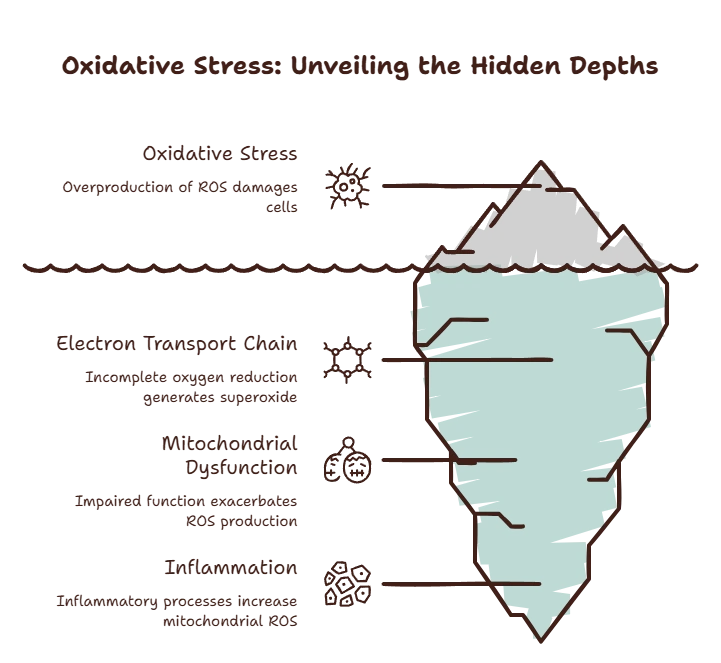
Oxidative stress occurs when there is an overproduction of ROS, which can damage cellular components such as lipids, proteins, and DNA. The primary sources of ROS in mitochondria include:
- Electron Transport Chain (ETC): The ETC is a series of protein complexes that transfer electrons derived from nutrients to oxygen, generating ATP. Incomplete reduction of oxygen can lead to the formation of superoxide, a type of ROS.
- Mitochondrial Dysfunction: Impaired mitochondrial function can exacerbate ROS production. Factors such as mutations in mitochondrial DNA, environmental toxins, and nutrient deficiencies can contribute to this dysfunction.
- Inflammation: Inflammatory processes can increase mitochondrial ROS production, creating a vicious cycle of oxidative stress and inflammation.
Consequences of Mitochondrial Oxidative Stress
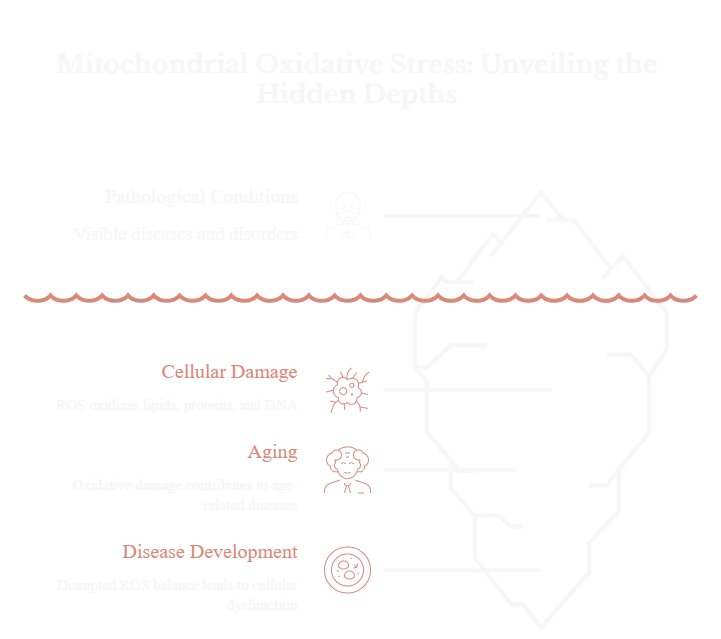
The consequences of mitochondrial oxidative stress are profound and can lead to various pathological conditions:
- Cellular Damage: ROS can oxidize lipids, leading to lipid peroxidation, which compromises cell membrane integrity. They can also modify proteins, impairing their function, and damage DNA, potentially leading to mutations and genomic instability.
- Aging: Mitochondrial oxidative stress is implicated in the aging process. Accumulation of oxidative damage over time can contribute to age-related diseases, including neurodegenerative disorders, cardiovascular diseases, and metabolic syndromes.
- Disease Development: Conditions such as diabetes, cancer, and neurodegenerative diseases (e.g., Alzheimer’s and Parkinson’s) have been linked to mitochondrial oxidative stress. In these diseases, the balance between ROS production and antioxidant defenses is disrupted, leading to cellular dysfunction and death.
Antioxidant Defense Mechanisms
Cells possess various antioxidant defense mechanisms to counteract oxidative stress. These include:
- Enzymatic Antioxidants: Enzymes such as superoxide dismutase (SOD), catalase, and glutathione peroxidase play crucial roles in neutralizing ROS. SOD converts superoxide into hydrogen peroxide, which is then broken down by catalase and glutathione peroxidase.
- Non-Enzymatic Antioxidants: Molecules like glutathione, vitamins C and E, and flavonoids can scavenge ROS and protect cells from oxidative damage.
- Mitochondrial Biogenesis: The process of mitochondrial biogenesis, regulated by factors such as PGC-1α, can enhance mitochondrial function and increase the capacity to handle oxidative stress.
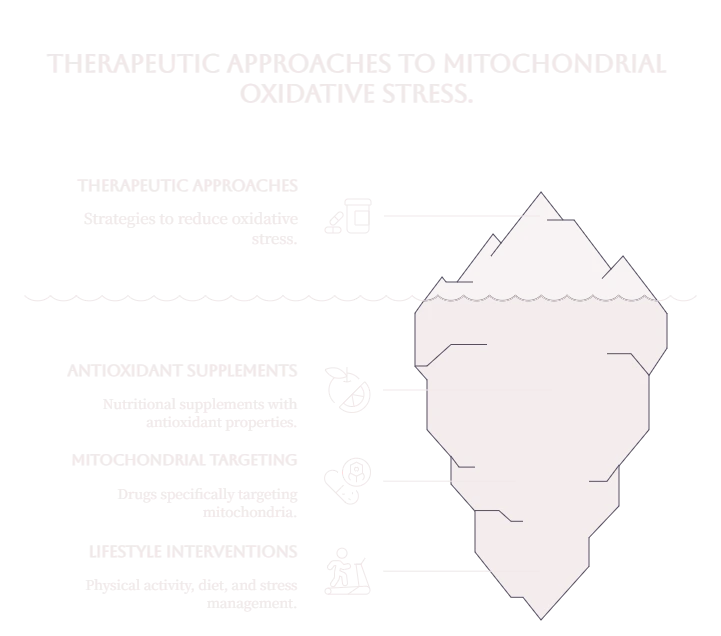
Therapeutic Approaches
Given the significant role of mitochondrial oxidative stress in various diseases, several therapeutic strategies are being explored:
- Antioxidant Supplements: Nutritional supplements containing antioxidants may help reduce oxidative stress. However, the efficacy of these supplements can vary, and more research is needed to establish their benefits.
- Mitochondrial Targeting: Developing drugs that specifically target mitochondria can enhance their protective mechanisms against oxidative stress. Compounds like MitoQ and SkQ1 are designed to accumulate in mitochondria and exert antioxidant effects.
- Lifestyle Interventions: Regular physical activity, a balanced diet rich in antioxidants, and stress management can help mitigate oxidative stress and promote mitochondrial health.
Lifestyle as Medicine protect your power plants
🥗 Nutrition: Polyphenols in berries, tea, coffee, wine, nuts, and olive oil activate Nrf2, boost biogenesis, and scavenge radicals. Two large cohorts linked high intake of fruits, veg, whole grains, and unsaturated fats to healthy ageing.
🏃 Exercise: Moderate training induces hormesis; athletes lower biological age by ~5.8 years. 💤 Sleep & stress: chronic deprivation elevates ROS, while rest restores balance.
Mitochondrial oxidative stress is a complex and multifaceted phenomenon with significant implications for cellular health and disease. Understanding the mechanisms underlying oxidative stress and the body’s defense systems is crucial for developing effective therapeutic strategies. As research continues to evolve, it holds promise for improving health outcomes and combating age-related diseases and other conditions linked to mitochondrial dysfunction. By focusing on both prevention and treatment, we can better manage the challenges posed by mitochondrial oxidative stress and enhance overall wellbeing.
❓ FAQs
📌 Disclosure & Disclaimer
Disclosure: This article is for educational and informational purposes only. The author has no financial ties to any mentioned companies (MitoQ, SkQ1, SS‑31). Product references reflect existing scientific literature, not endorsements.
Disclaimer: This does not constitute medical advice, diagnosis, or treatment. Always consult a qualified healthcare provider before starting supplements, diets, or exercise regimens. Some therapies discussed are investigational.
The science of mitochondrial oxidative stress reveals a profound truth: ageing and disease aren’t just fate—they’re biochemistry. And biochemistry responds to lifestyle, nutrition, and environment. You can’t stop the clock, but you can slow its gears by protecting the tiny power plants in every cell.
Eat more plants. Move your body. Sleep deeply. Manage stress. Treat your mitochondria like the treasures they are.
Your future self will thank you—every heartbeat, thought, and breath.
✧ Written in service of your cellular vitality ✧