
Written by Dr. Mohammed Abdul Azeem Siddiqui | Updated June 2026
📚 Table of Contents
- 1. The Weight Loss Revolution: Why GLP-1 Isn’t One-Size-Fits-All
- 2. The Gut Microbiome: Your Personal Metabolism Control Center
- 3. The Science of Synergy: How Bacteria Affect GLP-1 Efficacy
- 4. Practical Steps: Mapping Your Gut for GLP-1 Success
- 5. Action Plan: Integrating GLP-1 with Lifestyle & Supplements
1. The Weight Loss Revolution: Why GLP-1 Isn’t One-Size-Fits-All
The landscape of weight loss has been irrevocably altered by the advent of GLP-1 receptor agonists. Medications like semaglutide and tirzepatide have offered hope to millions struggling with obesity and metabolic syndrome. However, if you scroll through online forums or talk to actual users, you’ll notice a stark disparity in results. Some individuals experience rapid, effortless weight loss, while others suffer from severe gastrointestinal side effects, plateaus, or minimal response. Why does this happen?
The answer, increasingly supported by cutting-edge science, may lie deep within your intestines. The future of weight loss isn’t just about injecting a peptide; it’s about personalizing GLP-1 therapy based on your unique gut microbiome. In this guide, we will explore how the trillions of bacteria in your digestive system dictate your response to these powerful drugs and, more importantly, how you can optimize your gut to become a “super-responder.”
2. The Gut Microbiome: Your Personal Metabolism Control Center
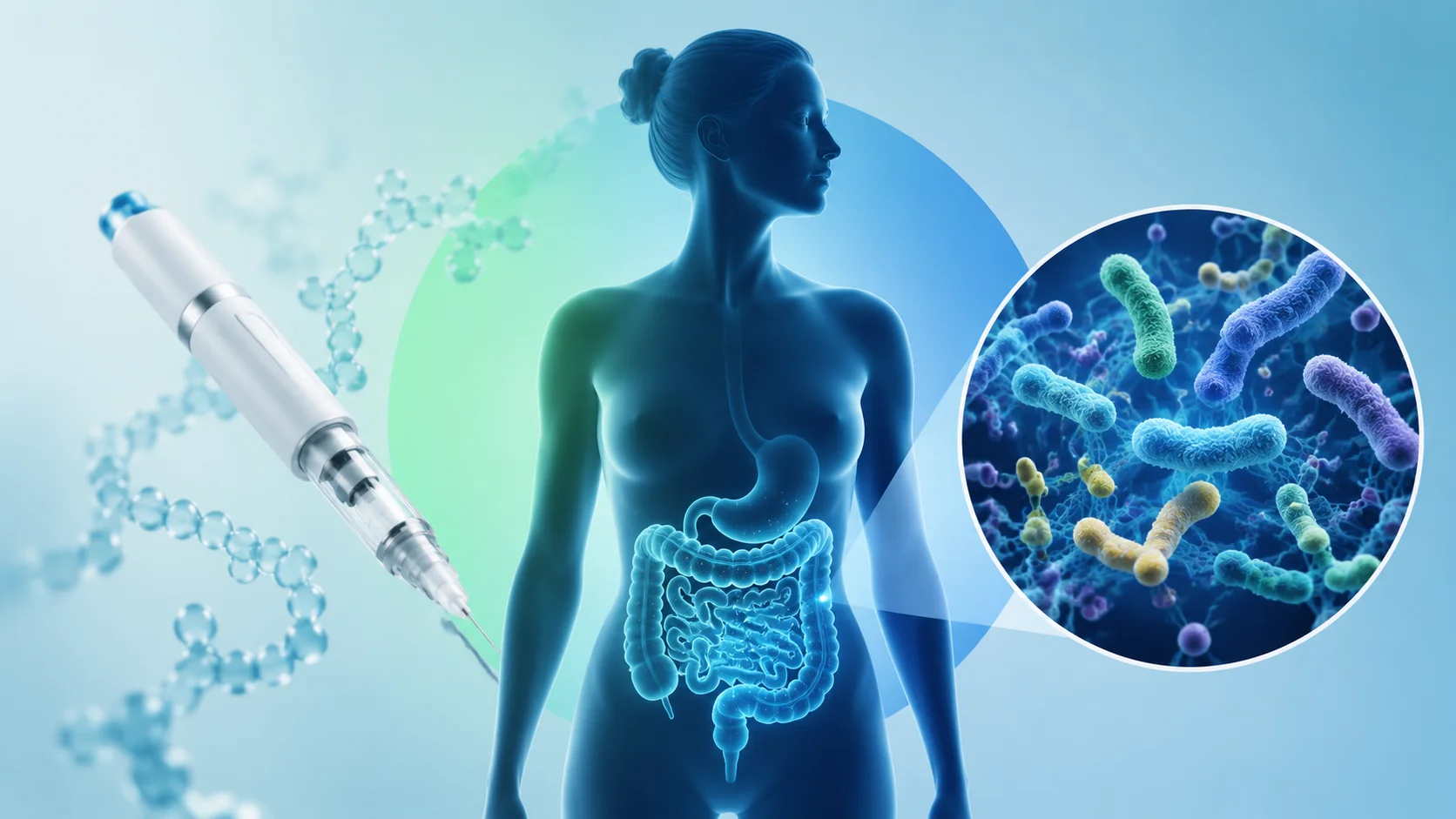
To understand the future of weight loss, you must first understand the gut. Your microbiome is not just a passive collection of bacteria; it is a dynamic organ that weighs about 2-5 pounds and plays a crucial role in extracting energy from food, regulating inflammation, and producing neurotransmitters that affect hunger.
Different bacterial phyla, primarily Firmicutes and Bacteroidetes, have different metabolic efficiencies. Some bacteria are “hyper-absorbers,” extracting more calories from the same meal, while others are “lean” microbes. This ratio influences your baseline metabolism and determines how much weight you can lose on a calorie-restricted diet.
Specifically regarding GLP-1, your microbiome produces short-chain fatty acids (SCFAs) like butyrate, propionate, and acetate. These SCFAs bind to receptors in your gut and brain that naturally stimulate the release of GLP-1. If your microbiome is depleted or dysbiotic (imbalanced), your natural GLP-1 production is already compromised, making you more dependent on the medication but potentially less receptive to its effects.
3. The Science of Synergy: How Bacteria Affect GLP-1 Efficacy
Recent studies published in journals like Nature Metabolism and Cell have highlighted the “Gut-Brain Axis.” The data suggests that the presence of specific bacterial strains—such as Akkermansia muciniphila and Faecalibacterium prausnitzii—is directly correlated with better glycemic control and weight loss outcomes in patients on GLP-1 agonists.
Here is the practical breakdown of why this matters:
- Inflammation Control: Certain gut bacteria produce lipopolysaccharides (LPS) that cause inflammation. Chronic inflammation leads to insulin resistance, meaning the GLP-1 has to work harder to lower blood sugar, reducing its weight-loss efficacy.
- Motility and Side Effects: GLP-1 slows gastric emptying. If your microbiome is imbalanced, this slowing down can lead to severe constipation, bloating, and nausea. Supporting the microbiome with specific prebiotics can ease these side effects by facilitating smoother digestion.
- Energy Harvesting: A “dysbiotic” gut extracts more energy from food. Even with suppressed appetite, a patient with a bad microbiome profile might still struggle to lose weight because their body is highly efficient at storing calories.
4. Practical Steps: Mapping Your Gut for GLP-1 Success
So, how do you move from theory to practice? The “future” involves a diagnostic approach. While at-home microbiome testing kits are becoming more available, you don’t necessarily need a $300 test to start improving your response. You can start by assessing your current state.
Step 1: The “Fiber Challenge”
If you consume 30-40 grams of fiber a day and experience extreme bloating, you likely have an overgrowth of gas-producing bacteria that need to be corrected. If you consume fiber and feel great, your microbiome is likely robust. Enter the GLP-1 CyNergy Companion. This isn’t just a supplement; it’s a targeted prebiotic designed to feed the specific strains of bacteria that enhance GLP-1 production.
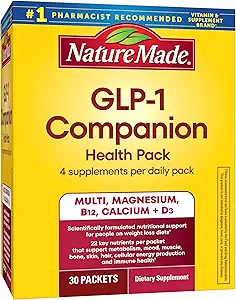
🚀 Optimize Your Microbiome with GLP-1 CyNergy
This formula is tailored to bridge the gap between your medication and your gut flora, minimizing side effects and maximizing the weight-loss potential of your treatment.
Check Price on Amazon →Step 2: Identify Your “Weak Points.”
- Are you constipated? You likely need more hydration and specific prebiotic fibers (like inulin or partially hydrolyzed guar gum).
- Do you have food cravings despite the meds? This could indicate a deficiency in dopamine-producing gut bacteria, which GLP-1 doesn’t directly regulate. You need polyphenols (found in berries and dark chocolate) to feed these specific microbes.
5. Action Plan: Integrating GLP-1 with Lifestyle & Supplements
Here is your 30-day “Microbiome Reconditioning Plan” to jumpstart your weight loss on GLP-1 therapy.
Week 1: The Foundation (Hydration & Variety)
Increase water intake to at least 100 oz a day. Eat a “rainbow” of vegetables. The phytonutrients in diverse plant foods serve as fuel for diverse microbial species. Diversity is the #1 marker of a healthy gut.
Week 2: Introducing Prebiotics
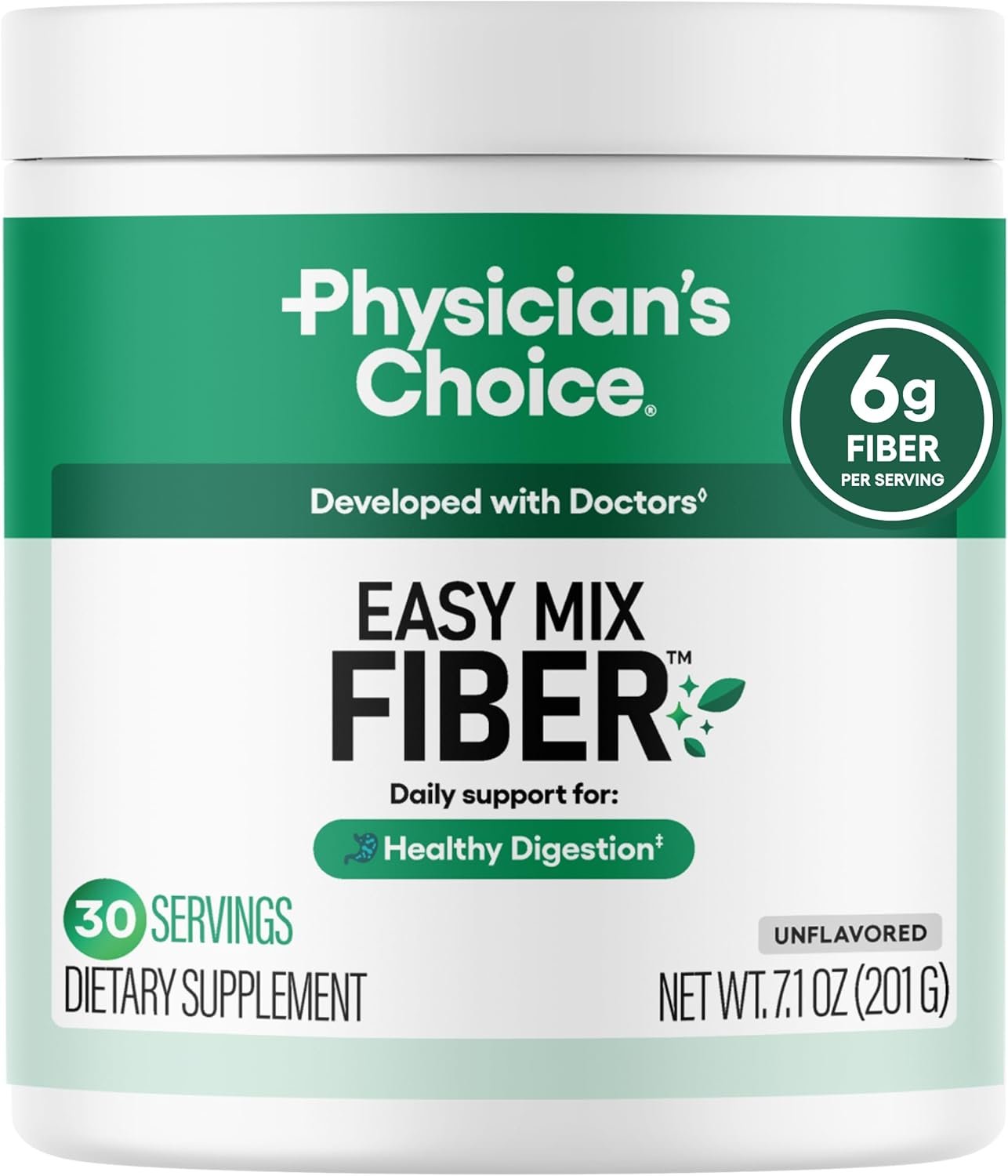
Start a fiber supplement if you aren’t hitting your targets. However, standard fiber can cause bloating. We recommend the GLP-1 CyNergy Companion because it uses a specific blend that reduces gas production while effectively feeding the bacteria that improve GLP-1 response. Consistency is key; take it with your largest meal.
💊 The Ultimate GLP-1 Support Kit
Pair your therapy with the right supplementation to avoid the “Ozempic face” and muscle loss, while ensuring your gut is fertile ground for weight loss.
View on Amazon →Week 3: The “Akkermansia” Boost
This specific bacterium resides in the mucosal lining of your gut. It is a strong predictor of metabolic health. You can boost it with polyphenols. Consider a supplement that includes it directly (if sourced), or eat plenty of cranberries, grapes, and pomegranates.
Week 4: Fermented Foods
Introduce kefir, kimchi, or raw sauerkraut. Studies show that a diet rich in fermented foods increases microbiome diversity significantly. This will lower the systemic inflammation that often hinders GLP-1 results.
Final Verdict: The Future is Personal
The “miracle” of GLP-1 medications is real, but it is incomplete without addressing the ecosystem it interacts with. The future of weight loss isn’t a single injection; it is a comprehensive strategy that treats your gut bacteria as the co-pilot of your health journey. By matching your GLP-1 therapy with the specific needs of your microbiome, you not only lose weight faster but do so with fewer side effects and better long-term health outcomes.
Start your journey today by preparing your body for success.
Disclosure: Some links in this article are affiliate links. We may earn a commission at no extra cost to you.