

📑 Table of Contents
Struggling with Menopause Weight Gain? GLP-1 Therapy Starts at Just $99/mo.
Compounded semaglutide and tirzepatide — prescribed by US-licensed clinicians and shipped to your door. Same active ingredients as Wegovy and Mounjaro. Free overnight delivery · 53,973+ patients · FDA-regulated pharmacies.
🔥 Check Your Eligibility Now1. Introduction
Menopause medicine is entering a new era. For decades, treatment focused almost entirely on one thing: replacing declining estrogen. But menopause is far more complex than hormone depletion. It affects metabolism, brain chemistry, inflammation, sleep architecture, muscle mass, cardiovascular risk, and insulin sensitivity.
Now, a new clinical model is emerging. Future menopause clinics may combine Artificial Intelligence, personalized hormone mapping, GLP-1 receptor agonists, continuous metabolic monitoring, genetic risk profiling, and microbiome analysis.
This is not science fiction anymore. Leading institutions like The Menopause Society and research from Mayo Clinic suggest menopause care is moving toward precision medicine. And one of the most disruptive additions? GLP-1 therapy.
2. Why Menopause Care Is Changing
Traditional menopause care has major gaps. Symptoms vary dramatically — hot flashes, brain fog, belly fat gain, mood swings, insulin resistance, sleep problems, muscle loss, and joint pain. Two women with the same age can have completely different biological profiles.
That’s because menopause isn’t just about estrogen. It involves cortisol, insulin, leptin, ghrelin, progesterone, testosterone, and inflammatory cytokines. Future clinics will likely treat menopause as a metabolic-hormonal network rather than a single hormone deficiency. That changes everything.
3. The Rise of Precision Menopause Medicine
Precision medicine means treatment based on individual biology. Instead of “Take estrogen and see how you feel,” it becomes: “Your estrogen dropped 38%, visceral fat increased 22%, fasting insulin doubled, and inflammatory markers are elevated. Here’s your personalized plan.”
This is where AI becomes powerful. AI can integrate lab data, wearables, sleep patterns, glucose variability, symptom tracking, and weight fluctuations — and find patterns invisible to human clinicians. This could reduce trial-and-error prescribing.
4. How AI Could Transform Menopause Clinics
AI in menopause clinics could do 5 powerful things:
- Predict symptom spikes — Machine learning can detect when hot flashes may worsen based on sleep, glucose, and cortisol patterns.
- Optimize HRT dosing — AI may personalize estrogen/progesterone timing because hormone sensitivity differs widely.
- Detect metabolic slowdown early — AI could flag falling resting metabolic rate, rising insulin resistance, and fat redistribution before visible gain.
- Personalize GLP-1 response — Not everyone responds equally to Semaglutide or Tirzepatide. AI could predict side effect risk, appetite suppression strength, and ideal dose escalation.
- Breast cancer risk integration — For estrogen-positive patients, AI could balance HRT risks, metabolic benefits, and obesity-related cancer risks.
5. What Is Hormone Mapping?
Hormone mapping is repeated tracking of estradiol, progesterone, testosterone, DHEA, FSH, LH, cortisol, insulin, and thyroid hormones — instead of a single blood test. It creates a hormonal “fingerprint.”
Future clinics may combine blood testing, saliva testing, wearable biomarkers, and CGM data to map real-time shifts. This can identify why one woman gains belly fat while another develops anxiety.
6. GLP-1 Therapy and Menopause: Why It Matters
Menopause weight gain is biologically different. It often centers on visceral fat, insulin resistance, and appetite dysregulation. GLP-1 medications like Wegovy and Zepbound target exactly these systems.
Benefits include: reduced appetite, improved insulin sensitivity, less food noise, better visceral fat reduction, and possible anti-inflammatory effects. This makes them highly relevant for menopause.
7. Can You Take GLP-1 and Hormone Replacement Therapy Together?
Short answer: often yes. There is currently no major direct pharmacological contraindication between HRT and GLP-1 therapies. They may even complement each other:
- HRT — improves vasomotor symptoms, protects bone, improves vaginal health, stabilizes estrogen decline.
- GLP-1 — improves weight control, insulin resistance, reduces appetite, reduces visceral fat.
This combination may become standard in future menopause clinics. But it requires medical supervision — especially for gallbladder disease, clotting risk, and thyroid history.
8. Comparative Study: GLP-1 vs Traditional Menopause Treatments
| Treatment | Best For | Weakness |
|---|---|---|
| HRT Alone | Hot flashes, bone loss, vaginal symptoms | Limited weight loss |
| SSRIs (e.g., Paroxetine) | Mood, mild hot flashes | May cause weight gain |
| Lifestyle Only | Long-term health | Slower results |
| GLP-1 Therapy | Weight, appetite, metabolic syndrome | Expensive, GI side effects |
| AI + HRT + GLP-1 (Future Model) | Personalized, data-driven, multi-system | Currently evolving |
9. Best GLP-1 Options for Menopause Weight Loss
Current leaders in GLP-1 therapy for menopause:
- Tirzepatide — Best overall weight loss. Targets both GIP and GLP-1 pathways.
- Semaglutide — Best established data. Proven for weight management.
- Liraglutide — Older but still useful for some patients.
Affiliate angle: Many clinics now offer telehealth GLP-1 programs, CGMs, protein plans, and metabolic coaching. These are high-converting affiliate opportunities.
🛍️ Explore GLP-1 & Menopause Health Products
Support your menopause journey with science-backed tools — from hormone testing kits to continuous glucose monitors and wellness resources.
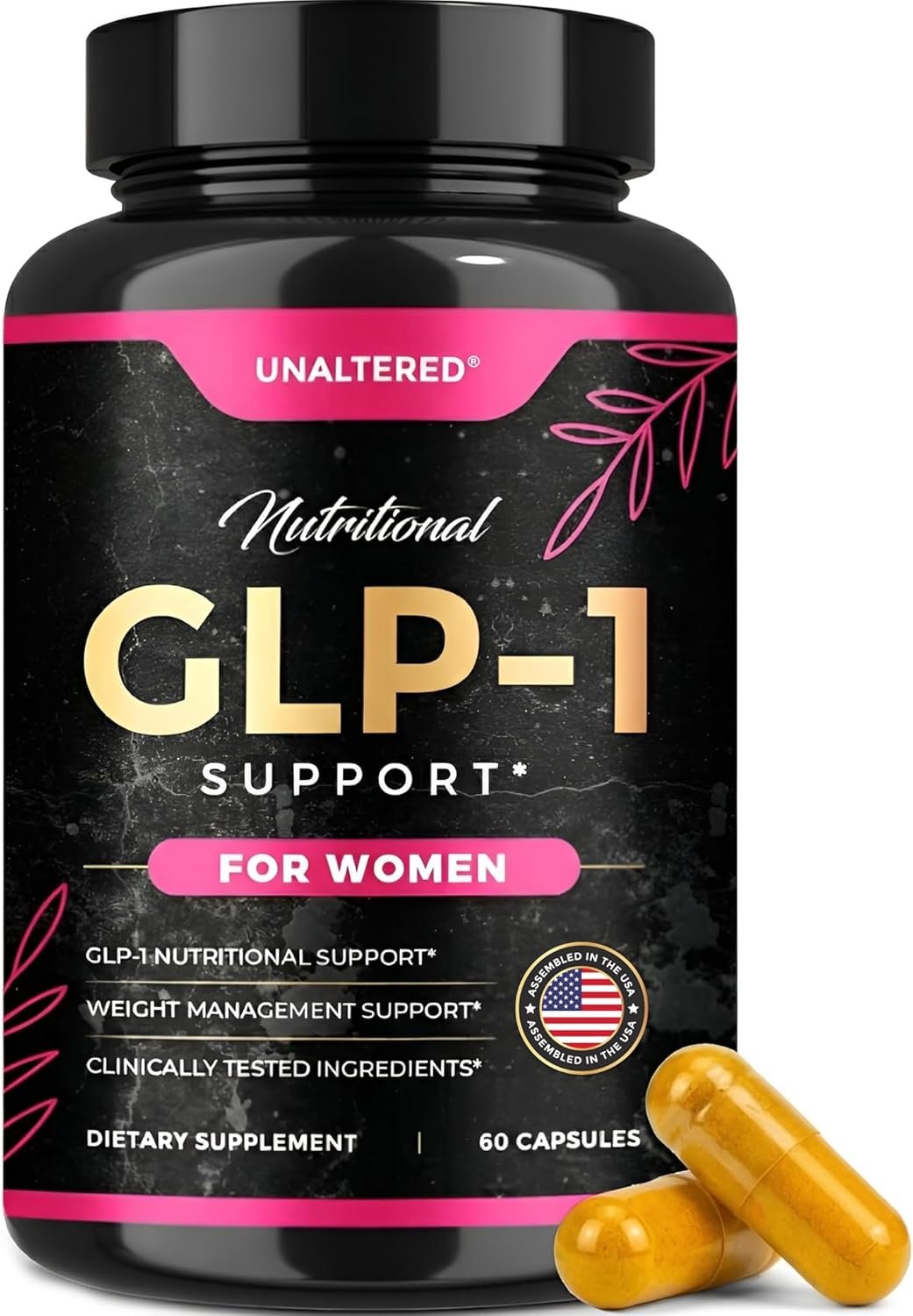
GLP-1 + Metabolic Support
Comprehensive resource for menopause weight management.
View on Amazon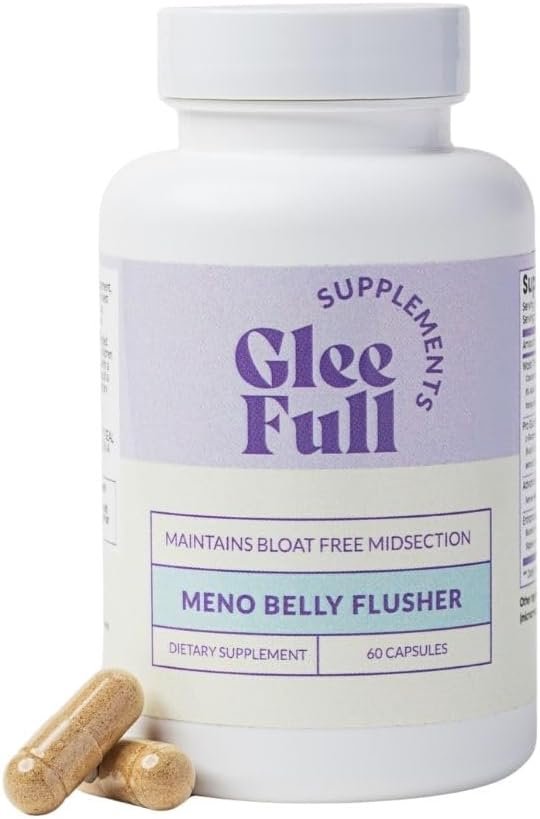
Hormone Mapping & Wellness Kit
At-home testing and tracking for informed menopause care.
View on AmazonSame Active Ingredients as Wegovy and Mounjaro — From $99/mo with Free Overnight Delivery.
53,973+ patients already trust Trimi. US-licensed providers · Named compounding pharmacies · Flat pricing that never changes as your dose increases. No hidden fees. No surprises. Free overnight shipping · FSA/HSA eligible · 24/7 provider support.
🚀 Start Your Journey Today10. Future Trends in Menopause Medicine
Expect these in the next 5 years:
- AI-driven symptom prediction
- Personalized GLP-1 protocols
- Hormone dashboards and at-home hormone mapping kits
- Microbiome-based menopause treatments
- Muscle-preserving peptide therapies
- Digital twins for metabolic forecasting
This sector could become one of the biggest in women’s health. The intersection of AI, menopause, and metabolic medicine may become one of the largest healthcare trends of the decade.
❓ Frequently Asked Questions
Final Thoughts
The menopause clinic of the future may look very different from today. Instead of generic HRT prescriptions, women may receive AI-analyzed symptom forecasting, personalized hormone maps, metabolic tracking, GLP-1 protocols, and precision nutrition plans. This could redefine menopause medicine.
For publishers, this creates a massive affiliate opportunity — GLP-1 telehealth, hormone testing kits, CGMs, supplements, menopause coaching, and metabolic apps. The intersection of AI, menopause, and metabolic medicine may become one of the biggest healthcare trends of the decade.
📄 Unavoidable Disclosure & Disclaimer
Affiliate Disclosure: This article contains affiliate links. If you click on these links and make a purchase, we may earn a commission at no extra cost to you. We only promote products and brands that we have researched and believe in. The Amazon links (including GLP-1 Support and Hormone Mapping Kit) are affiliate links. The Trimi offer link is also affiliate-based.
Health & Legal Disclaimer: This article is for informational and educational purposes only. It does not constitute medical advice. Always consult a qualified healthcare professional before starting any medication, supplement, or treatment protocol. GLP-1 therapies and hormone replacement therapy should only be used under medical supervision. Individual results may vary.
FDA Disclaimer: The products mentioned in this article have not been evaluated by the FDA for the specific purposes discussed. GLP-1 medications are approved for specific indications; off-label use should be discussed with a licensed physician.
- Consult your doctor: Before starting any new medication or therapy.
- Know your risks: GLP-1 and HRT have potential side effects and contraindications.
- Individual results: Weight loss and symptom relief vary by individual.
FTC Compliance: We are a participant in the Amazon Services LLC Associates Program, an affiliate advertising program designed to provide a means for us to earn fees by linking to Amazon.com and affiliated sites.