
The weight‑loss world has been buzzing about GLP‑1 medications, with weekly injections like Wegovy and Ozempic leading the charge. But now, a new wave of options is hitting the market: oral prescription GLP‑1 pills and a flood of over‑the‑counter “GLP‑1 supplements.” This leaves many wondering: are the weekly shots becoming obsolete? The short answer is no — but the landscape is more complex than ever.
In this article, we’ll break down the differences between prescription oral GLP‑1s, injectables, and popular OTC supplements, using real product examples to help you separate fact from fiction.
The Prescription Reality: Oral vs. Injectable
The biggest development is the arrival of the first FDA‑approved oral GLP‑1 for weight management: the Wegovy® pill (oral semaglutide). Approved in late 2025, this is a prescription medication containing the same active ingredient as the Wegovy injection. Clinical trials show the pill leads to an average weight loss of 13.6% over 71 weeks, compared to about 15% for the injection — a difference that’s negligible for most people.
⚠️ Key distinction: Both the pill and the injection are prescription drugs. Over‑the‑counter supplements, no matter how they’re marketed, do not contain actual GLP‑1 hormones and have not been proven to produce significant weight loss in clinical studies.
The choice between the Wegovy pill and injection comes down to lifestyle:
- Pill pros: No needles, portable, fits a daily routine.
- Pill cons: Must be taken on an empty stomach first thing in the morning with only a sip of water, then wait 30 minutes to eat or drink.
- Injection pros: Weekly dosing, no strict timing, slightly higher efficacy.
- Injection cons: Needle anxiety, requires refrigeration.
The OTC “GLP‑1” Supplement Craze: Buyer Beware
Walk down any supplement aisle or browse Amazon, and you’ll see a growing number of products with names like “GLP‑1 Booster” or “GLP‑1 Support.” These are not the same as prescription GLP‑1s. They don’t contain the active drug (semaglutide or tirzepatide) and their effects are, at best, subtle.
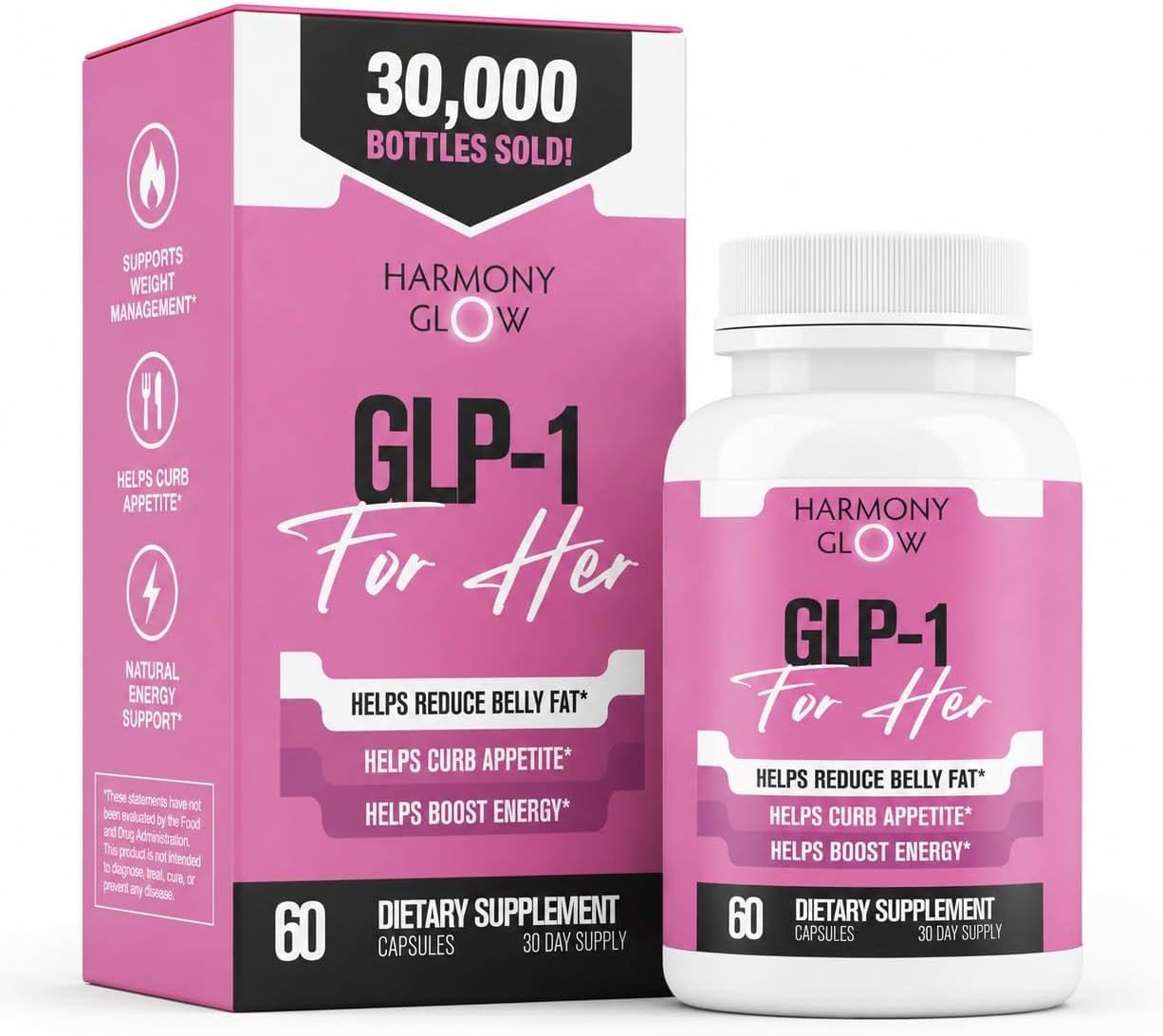
Take Harmony Glow GLP‑1 (sold on Amazon), for example. It’s marketed as a supplement that “assists metabolic pathways linked to GLP‑1 signaling.” But the product description clearly states: “Unlike prescription GLP‑1 agonists, this product does not contain or mimic GLP‑1 hormones or production. Instead, it is formulated with ingredients that may support the body’s natural processes.”
⚠️ Legal disclaimer on Harmony Glow: “Statements regarding dietary supplements have not been evaluated by the FDA and are not intended to diagnose, treat, cure, or prevent any disease or health condition.” This is standard for OTC supplements and a clear signal that they are not a substitute for prescription medication.
Customer reviews for Harmony Glow are mixed. Many users report feeling more energy and better appetite control, but others note it’s not a magic pill. One reviewer wrote: “It’s still too early to judge the long-term results, but so far I’m satisfied.” Another pointed out that it contains Garcinia, which may be problematic for those with latex allergies.
The One FDA‑Approved OTC Option: alli (Orlistat)
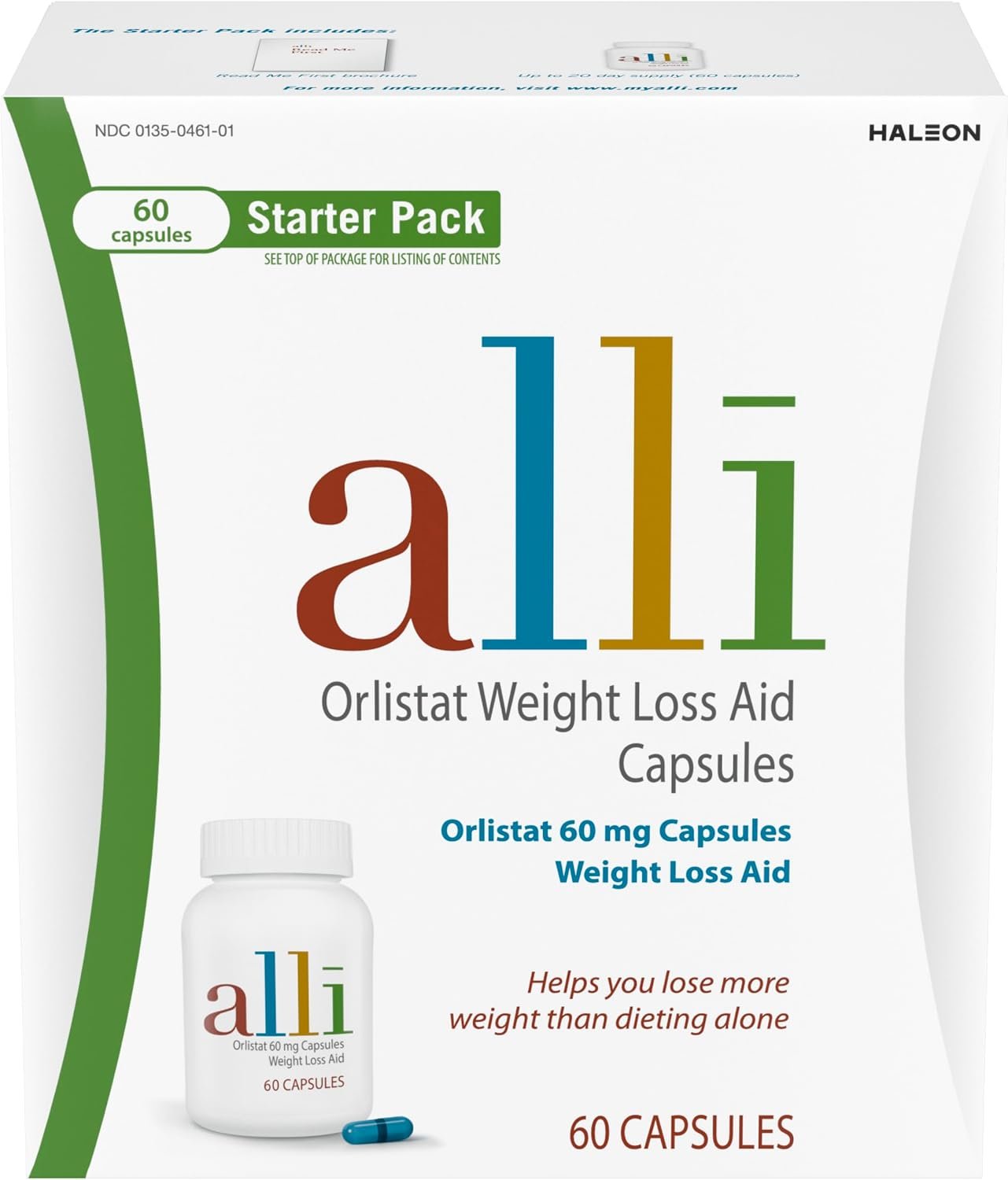
If you’re looking for an over‑the‑counter weight loss aid with real scientific backing, alli (Orlistat 60 mg) is the only FDA‑approved non‑prescription option. It works by blocking about 25% of the fat you eat from being absorbed, reducing calorie intake.
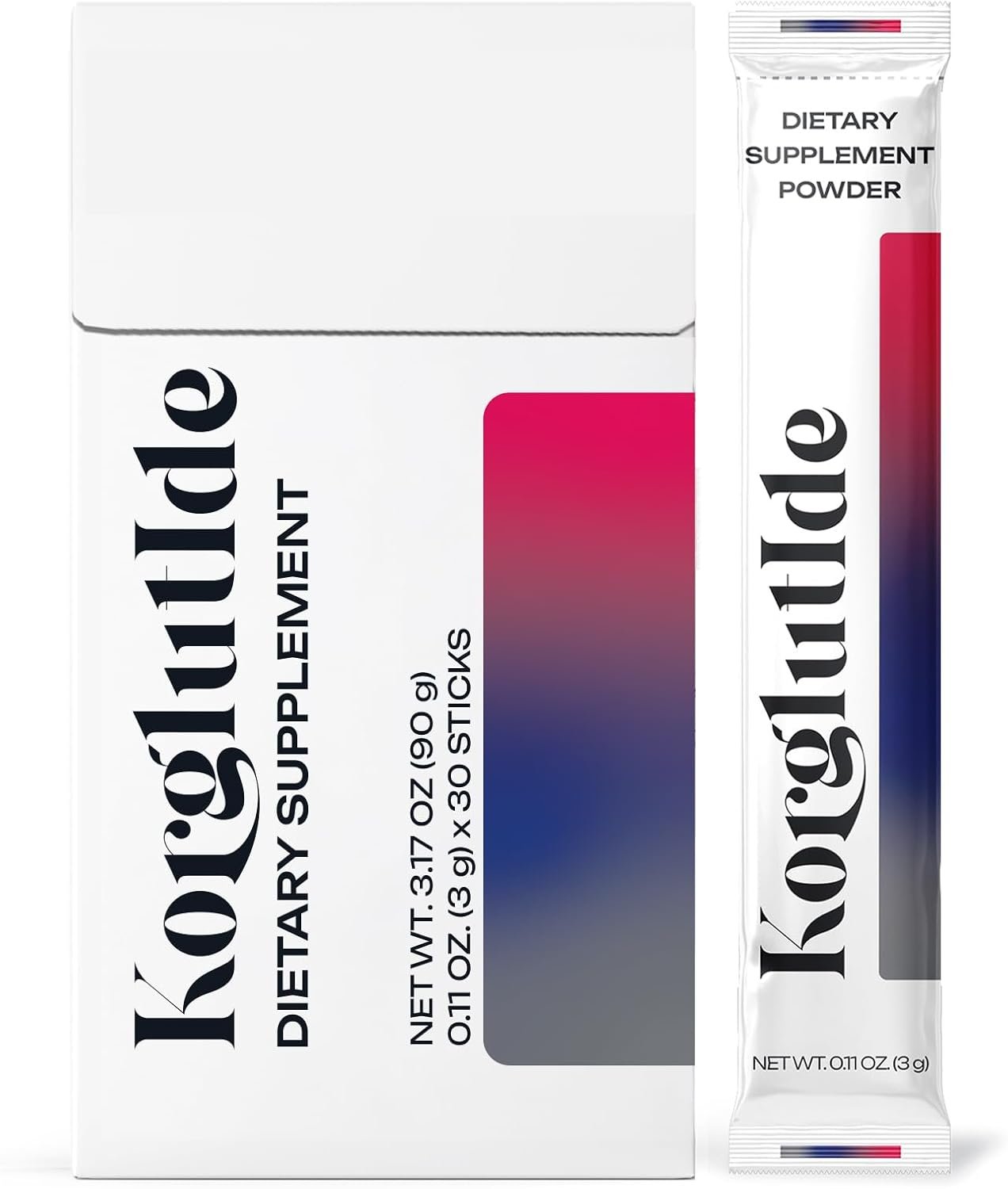
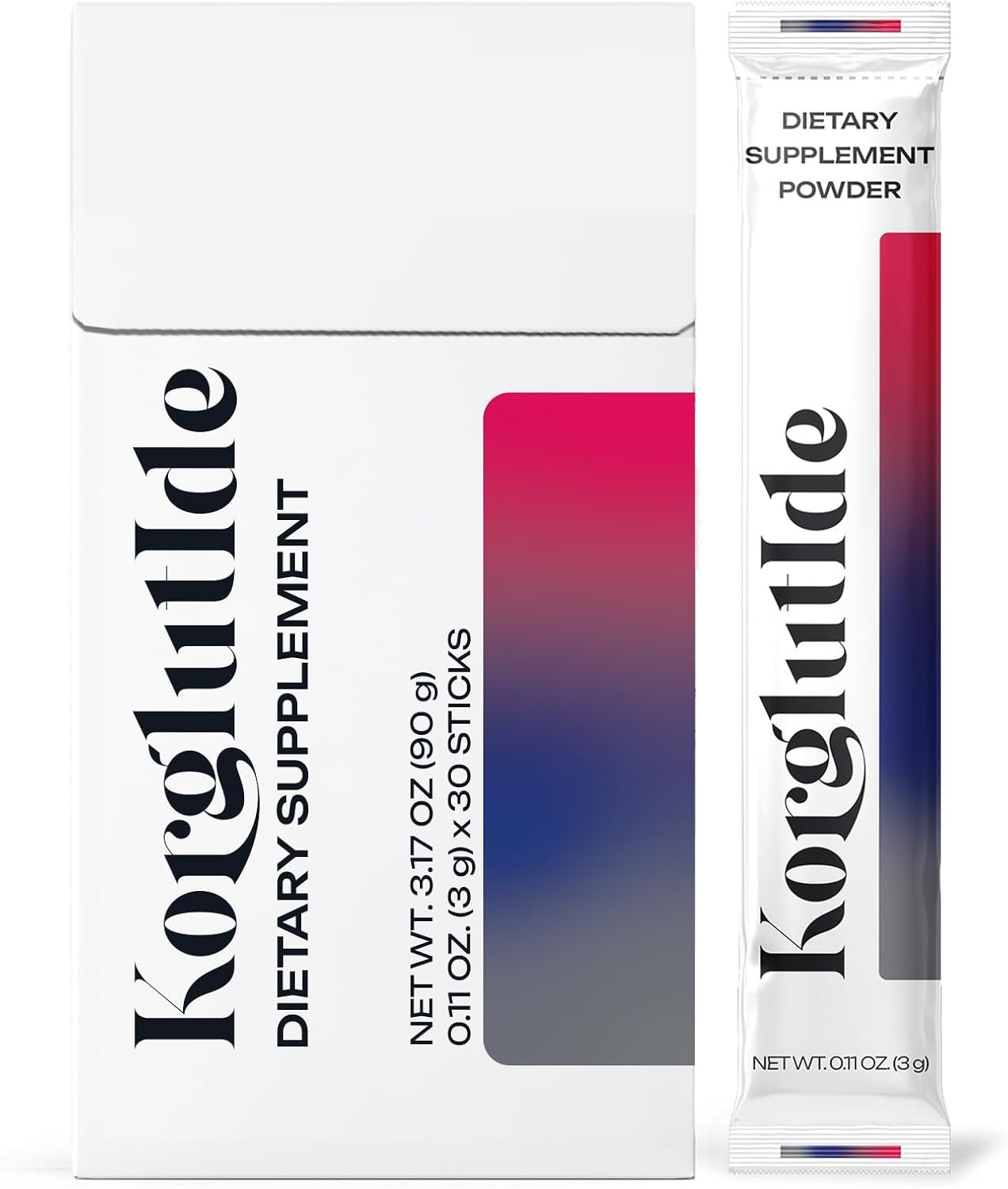
Korglutide Powder
SupplementDietary supplement powder · 30 sticks
alli’s effectiveness is well‑documented. Clinical studies show that when combined with a reduced‑calorie, low‑fat diet, it can help you lose 5‑10% of your body weight. However, it comes with notorious side effects if you eat too much fat: oily stools, gas, and even “anal leakage” (as one Amazon review bluntly puts it). The key is to stay under 15 grams of fat per meal — which is why many users find it helps them stick to healthier eating habits.
One reviewer shared: “I lost 24 pounds in 3 months. DO NOT EAT MORE THAN 15 GRAMS OF FAT PER MEAL. Alli has a horrible reputation … and it’s true, IF you consume more than 15 grams of fat per meal.” Another warned: “The side effects can be brutal. I had a migraine, lost control of my bowels, and passed out.”
So, Are Weekly Injections Obsolete?
No. The arrival of the oral prescription GLP‑1 pill is a game‑changer for those who fear needles, but the injection remains a top‑tier option for those who prefer less frequent dosing and don’t want to deal with strict timing rules. For many, the choice will come down to personal preference and lifestyle.
As for OTC supplements like Harmony Glow or Korglutide: they are not replacements for prescription GLP‑1s. They may offer mild support for appetite and energy, but they lack the rigorous clinical evidence and potency of FDA‑approved drugs. And alli, while effective, works in a completely different way (fat blocking) and comes with its own set of challenges.
Key takeaway: The weekly injection is not obsolete — it’s now joined by a daily pill option for those who prefer it. But neither is an OTC supplement. If you’re considering GLP‑1 medications, consult a healthcare professional to determine the best approach for your health goals.
The Bottom Line: Know What You’re Buying
With so many products flooding the market, it’s easy to be confused. Here’s a quick cheat sheet:
- Prescription GLP‑1 (pill or injection): Proven efficacy, requires a doctor’s visit, significant weight loss (10‑15% body weight).
- alli (Orlistat): FDA‑approved OTC, blocks fat absorption, can cause gastrointestinal side effects, requires a low‑fat diet.
- “GLP‑1” supplements (Harmony Glow, Korglutide, etc.): Not FDA‑approved for weight loss, no GLP‑1 hormone, may offer mild energy/appetite support but no guaranteed results.
Always read labels, understand the disclaimers, and — most importantly — talk to your doctor before starting any new supplement or weight loss regimen.