
The complete science‑backed guide to restoring your skin, joints, and vitality
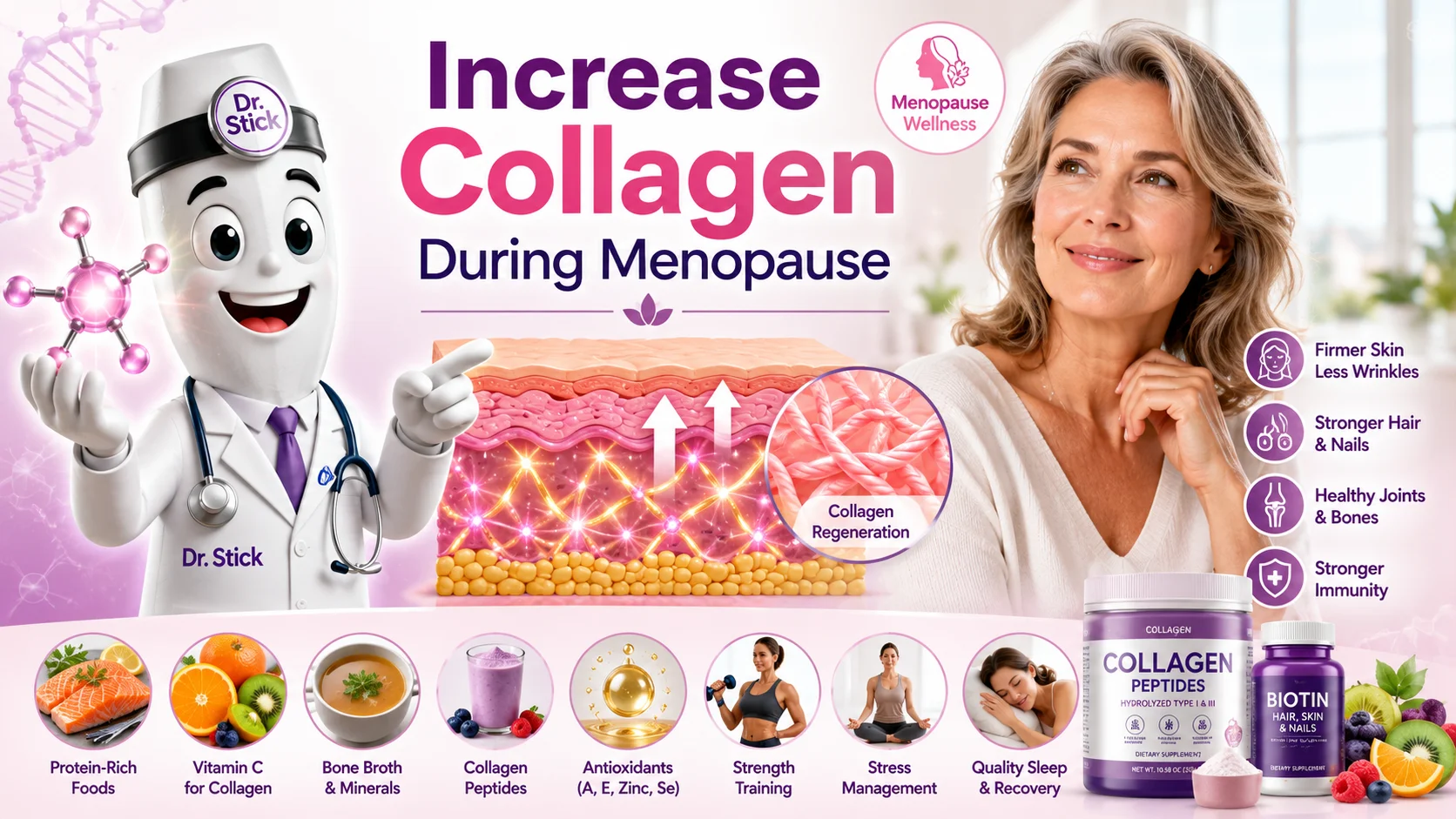
Menopause triggers a rapid drop in estrogen, leading to up to 30% collagen loss in the first five years. To counteract this:
- Eat collagen‑building foods: bone broth, fish, chicken, eggs, citrus (vitamin C).
- Take hydrolyzed collagen peptides (5–10 g daily) for at least 8–12 weeks.
- Pair with vitamin C, calcium, and vitamin D for best results.
- Exercise regularly (resistance + aerobic) to support collagen turnover.
- Prioritize sleep and manage stress to keep cortisol low.
- Protect your skin from UV rays.
📑 Table of Contents
1. Why Menopause Wreaks Havoc on Your Collagen
Collagen is the most abundant protein in the human body—think of it as your internal scaffolding. It provides structure and strength to your skin, joints, bones, tendons, ligaments, and blood vessels. Type I collagen alone makes up a staggering 80–90% of the collagen in your skin.
From age 25, collagen production declines by about 1% each year. But menopause accelerates that dramatically. When estrogen drops, your body loses a key signal that tells fibroblasts (the cells that produce collagen) to keep making new collagen. Research shows that women can lose up to 30% of their skin collagen in the first five years after menopause, and then about 2% per year thereafter.
“Menopause can in fact be considered a ‘multisystemic’ disorder of connective tissue.”
This affects not just skin, but also joints, bones, hair, and nails. Thinning skin, sagging, dryness, joint stiffness, and increased fracture risk are all linked to this collagen decline.
2. The Science Behind Collagen Loss
The estrogen‑collagen connection is well documented. Studies of postmenopausal women show significant negative correlations between years since menopause and both skin elasticity and bone mineral density. Because both skin and bone are composed of more than 70% type I collagen, decreased skin elasticity can even serve as a predictor of bone loss.
Collagen atrophy is a major factor in skin ageing, and there is a strong correlation between skin collagen loss and oestrogen deficiency. This is why menopause affects connective tissue everywhere—from your skin to your bones to your blood vessels.
3. How to Increase Collagen Through Diet
You can’t directly replace collagen, but you can load up on its building blocks. Here’s how to eat for collagen production during menopause:
Protein‑Rich Foods
- Fish — salmon, mackerel, sardines, cod (fish skin is especially rich in type I collagen).
- Chicken — especially with the skin.
- Beef and bone broth — slow‑simmered bones release collagen peptides.
- Eggs — particularly egg whites.
- Plant‑based proteins — legumes, soy, tofu, tempeh.
Vitamin C — The Essential Partner
Vitamin C is absolutely essential for collagen synthesis. Get it from citrus fruits, bell peppers, berries, broccoli, leafy greens, and sauerkraut.
Other Key Nutrients
- Zinc and copper — nuts, seeds, shellfish.
- Silica — bananas, oats, brown rice, leafy greens.
- Sulfur‑containing foods — garlic, onions, cruciferous vegetables.
- Omega‑3 — fish, nuts, seeds.
What to limit: OB/GYN Alyssa Dweck, M.D., recommends focusing on “fish, salads, nuts, and veggies, and eliminating sugar, carbs, and dairy.” The Mediterranean diet is particularly recommended for menopausal women.
4. Collagen Supplements: What Works
While diet provides building blocks, supplements offer a more targeted approach—especially for women going through menopause.
A 6‑month randomized controlled trial with 79 menopausal women found that collagen peptides combined with calcium and vitamin D improved skin hydration by 23% and skin elasticity. The collagen‑only group also showed a 12.23% improvement in elasticity.
A systematic review and meta‑analysis of 26 RCTs (1,721 participants) confirmed that hydrolyzed collagen improves both skin hydration and elasticity.
- Type: Hydrolyzed collagen peptides (Type I and/or III).
- Dosage: 5–10 g per day.
- Duration: At least 8–12 weeks of consistent use.
- Best practice: Take with vitamin C to support your body’s collagen‑building process.
Current evidence shows that collagen supplements at recommended doses are safe for healthy individuals. If you have kidney or liver conditions, consult your doctor first.
5. Lifestyle Factors That Boost Collagen
Exercise
Aerobic exercise and resistance training have been shown to significantly improve bone metabolism in postmenopausal women by reducing bone resorption and promoting bone formation. Even without HRT, regular physical activity helps maintain connective tissue health.
Sleep
Your body rebuilds collagen during the REM cycle. Poor sleep increases cortisol, which breaks down collagen. Aim for 7–9 hours of quality sleep each night.
Stress Management
Chronic stress elevates cortisol, impairing collagen production. Practices like mindfulness, regular exercise, and quality sleep help regulate stress.
Sun Protection
UV exposure is one of the biggest enemies of collagen. Use broad‑spectrum sunscreen (SPF 30+), protective clothing, and seek shade during peak hours.
Hydration
Your body is 60% water. As you age, thirst perception declines, and body water content decreases. Aim to drink about one‑third of your body weight in ounces of water daily.
6. Skincare and Topical Approaches
While oral supplements and diet work from the inside out, topical approaches can complement your efforts:
- Vitamin C serums — enhance mRNA levels of collagens I and III in the dermis.
- Retinol — increases fibroblast activity and collagen synthesis.
- Hyaluronic acid — helps maintain skin hydration.
However, traditional skincare often fails during menopause because ingredients don’t reach the collagen‑producing layer effectively. That’s why internal approaches—diet, supplements, and lifestyle—are so important.
7. Frequently Asked Questions (FAQs)
8. Recommended Resources
Premium Collagen Supplements for Menopause
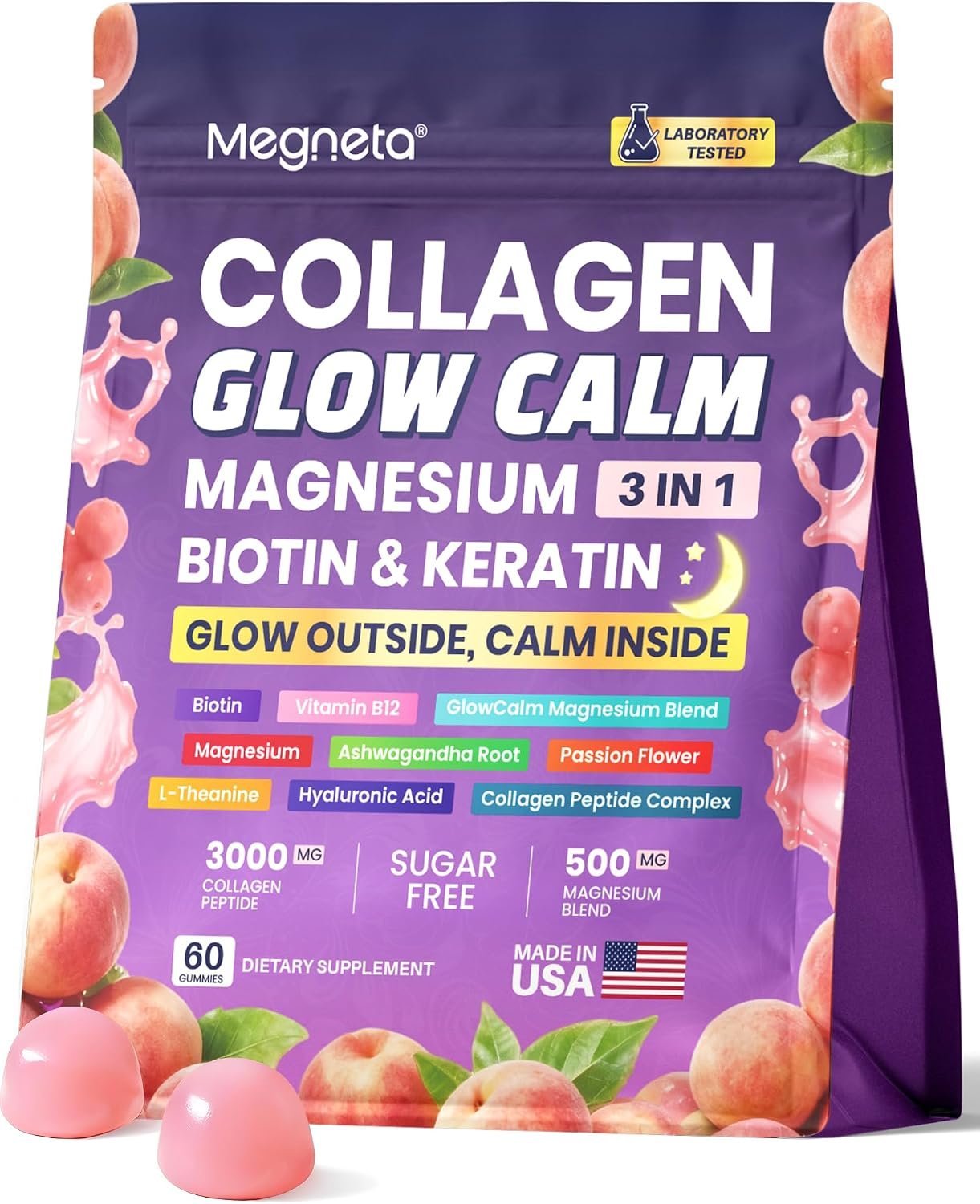
Revive Collagen Menopause Max
Hydrolysed Marine Collagen 10,000mg, formulated for menopausal women with added vitamins & minerals.
Check on Amazon →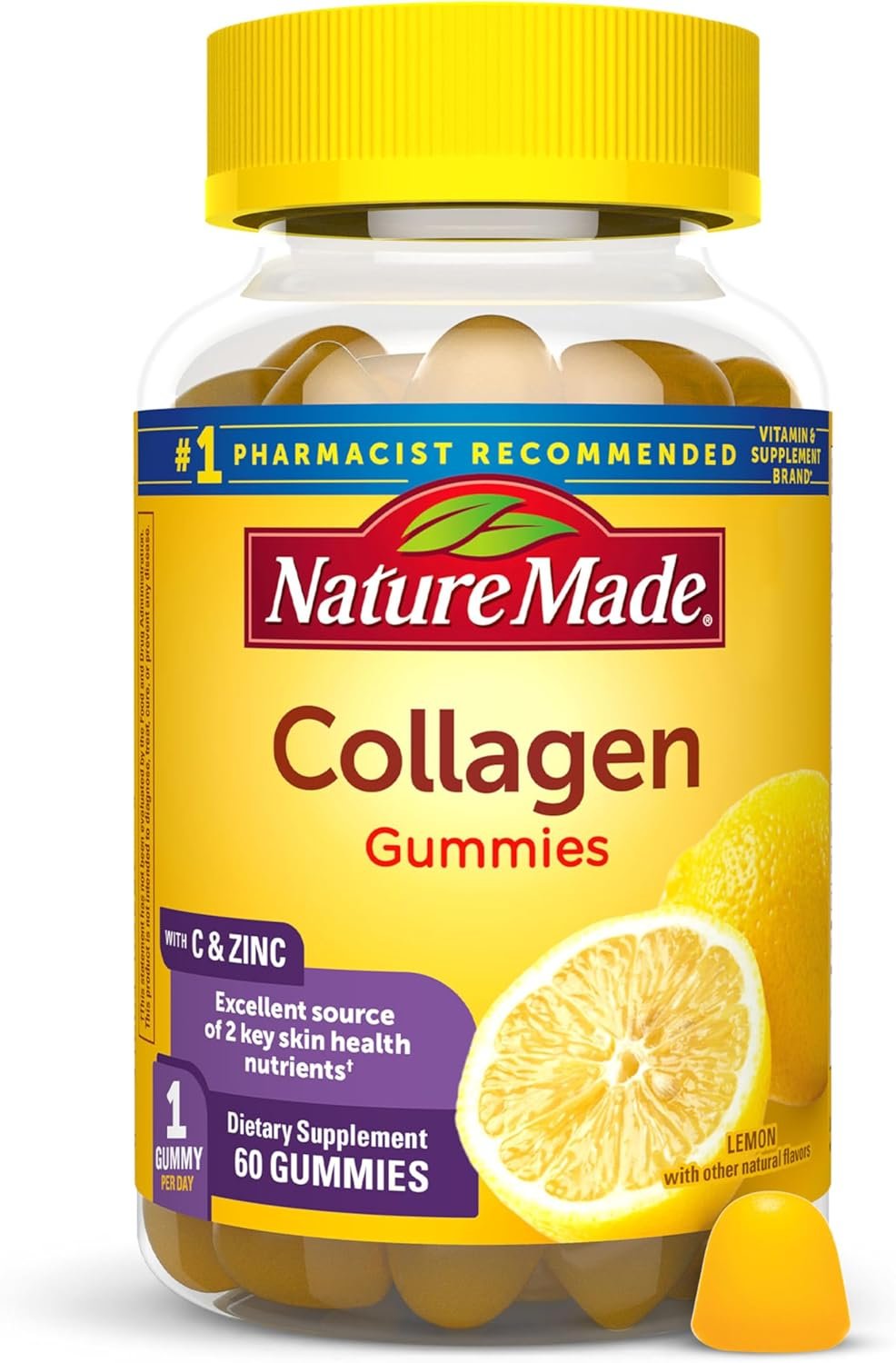
Hydrolyzed Collagen Peptides
Type I & III, 5–10g per serving. High quality, easily dissolved.
Check on Amazon →
“Begin supplementing in your 30s or 40s to maintain tissue integrity, flexibility, and joint health through menopause.”
Menopause brings significant changes, but collagen loss doesn’t have to be inevitable. By combining a nutrient‑rich diet, targeted supplementation, regular exercise, quality sleep, and stress management, you can support your body’s collagen production and maintain healthier skin, stronger bones, and more comfortable joints.
The key is consistency and a holistic approach. No single strategy works in isolation—but together, they can make a meaningful difference in how you feel and look during and after the menopausal transition.