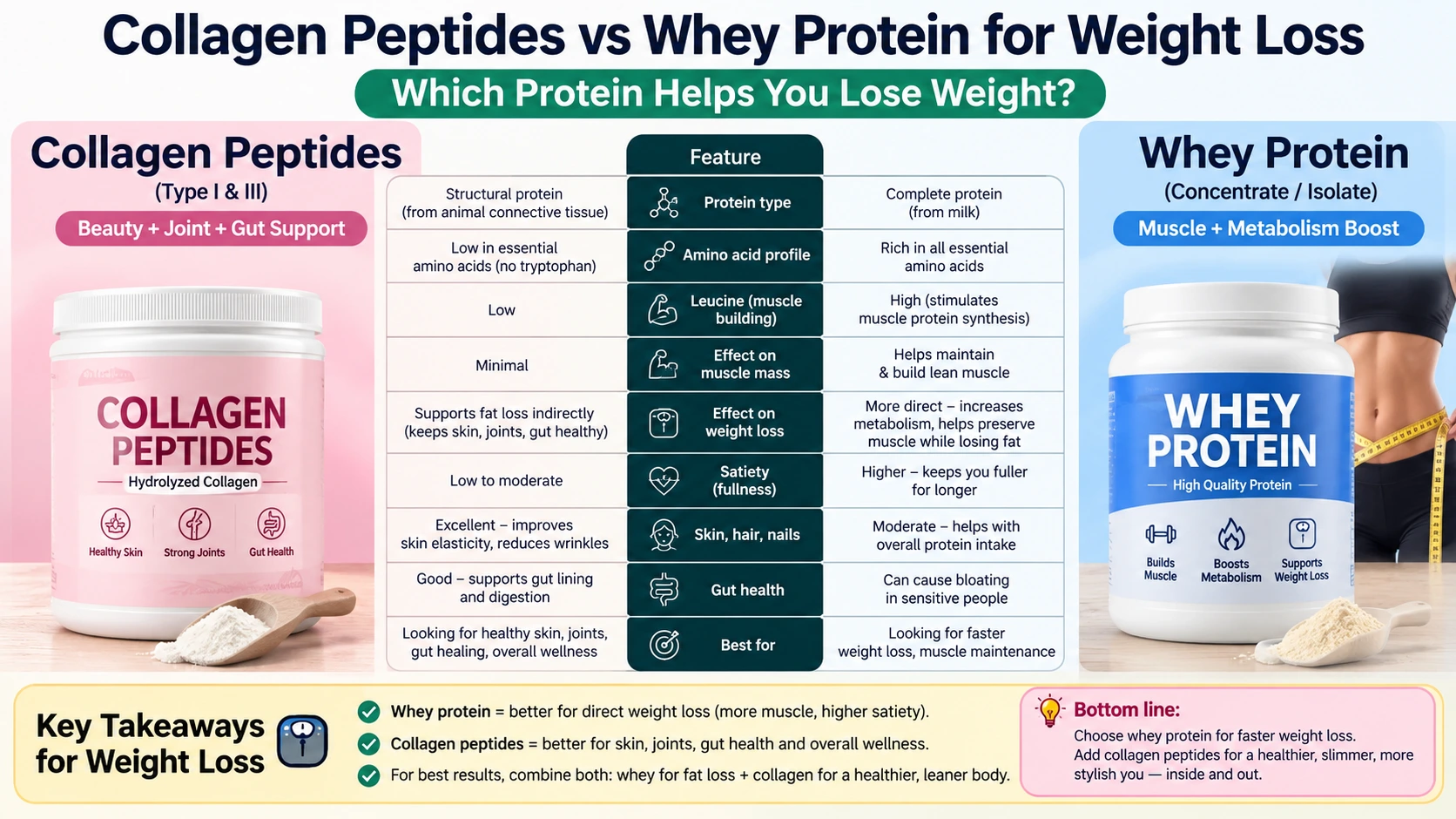

If you’re looking to lose weight, preserve muscle, and feel fuller for longer, whey protein is generally considered the superior choice due to its high leucine content, complete amino acid profile, and potent ability to stimulate muscle protein synthesis (MPS).
However, collagen peptides are not without merit. Emerging research suggests they may help reduce body fat, improve skin elasticity, and support joint health, making them a valuable addition to a weight loss regimen, especially for older adults and those with joint pain.
For an optimal approach, some experts suggest combining the two: using whey protein for muscle support and collagen peptides for joint, bone, and skin health. But for pure weight loss efficacy, whey protein appears to have the strongest scientific backing.
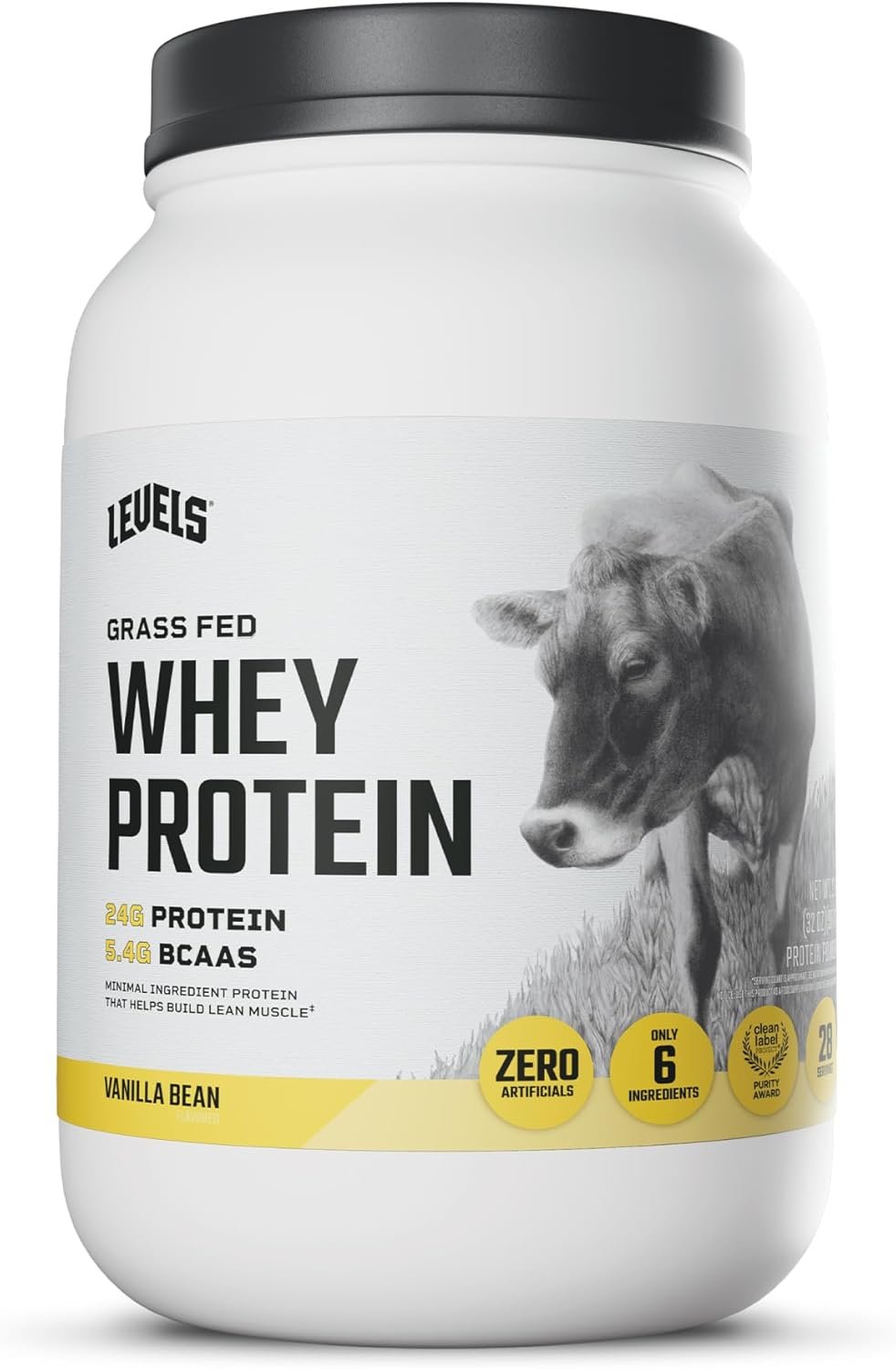
Introduction
Protein is the cornerstone of any effective weight loss strategy. It boosts metabolism, reduces appetite, and helps preserve lean muscle mass during a calorie deficit. But with a myriad of options available, choosing the right protein supplement can be overwhelming. Two of the most popular contenders are whey protein, a dairy-derived staple in the fitness world, and collagen peptides, a supplement often touted for beauty and joint health.
The question for those on a weight loss journey is: Which is better? Are collagen peptides the new secret weapon for shedding pounds, or does whey protein remain the champion of body recomposition? In this guide, we will dissect the science, compare the data, and help you decide which supplement best aligns with your goals.
The Power of Protein for Weight Loss
Before we dive into the specifics, it’s important to understand how protein contributes to weight loss.
- Appetite Control (Satiety): Protein is the most satiating macronutrient. It increases the production of hormones like GLP-1 (glucagon-like peptide-1) that signal fullness to the brain and reduces the levels of the hunger hormone ghrelin. This can naturally lead to a reduction in overall calorie intake.
- Thermic Effect of Food (TEF): Your body burns more calories digesting protein than it does digesting carbohydrates or fats. This metabolic boost is crucial for increasing total daily energy expenditure.
- Muscle Preservation: When you are in a calorie deficit, your body tends to break down muscle tissue for energy. A high protein intake, especially when combined with resistance training, signals your body to preserve muscle, ensuring that the weight you lose comes primarily from fat stores.
What is Whey Protein?
Whey protein is a byproduct of the cheese-making process. It is a complete protein, meaning it contains all nine essential amino acids that your body cannot produce on its own.
Key Features of Whey Protein:
- High Leucine Content: Leucine is the amino acid primarily responsible for activating the mTOR pathway, which kickstarts muscle protein synthesis (MPS).
- Fast Absorption: Whey is a “fast-digesting” protein, making it ideal for post-workout recovery to rapidly deliver amino acids to muscles.
- Clinically Proven: Decades of research support whey protein’s efficacy in promoting muscle growth, supporting weight loss, and improving body composition.
What are Collagen Peptides?
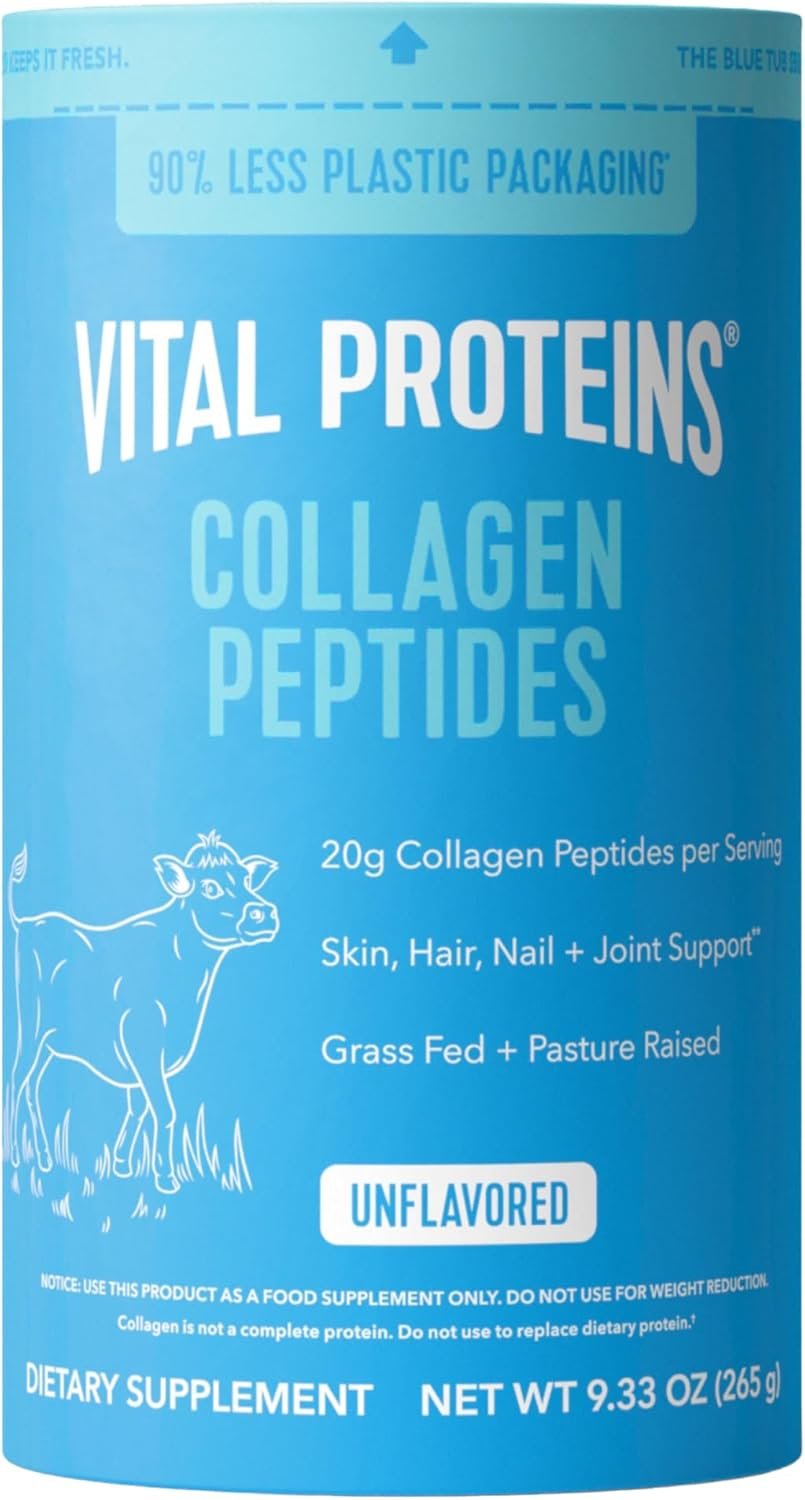
Collagen is the most abundant protein in the human body, providing structure to skin, bones, tendons, and ligaments. Collagen peptides are made by breaking down the long collagen protein chains into smaller, more absorbable pieces through a process called hydrolysis.
Key Features of Collagen Peptides:
- Unique Amino Acid Profile: Collagen is rich in glycine, proline, and hydroxyproline—amino acids essential for connective tissue health.
- Incomplete Protein: Collagen is missing one essential amino acid—tryptophan—and is low in others, such as leucine. This makes it an “incomplete” protein that cannot, on its own, support MPS as effectively as whey.
- Targeted Benefits: It is heavily marketed for improving skin elasticity, reducing wrinkles, and alleviating joint pain.
The Science of Fat Loss: Collagen vs. Whey
The Case for Whey Protein
Whey protein’s mechanism for weight loss is well-established and robust. It excels at:
- Preserving Lean Muscle: By providing the necessary building blocks (especially leucine), whey ensures that weight loss is primarily fat, not muscle.
- Reducing Appetite: Studies have shown that whey protein can reduce hunger for up to two hours after consumption compared to other protein sources, likely due to its impact on satiety hormones.
The Case for Collagen Peptides
Recent research has started to uncover the potential anti-obesity effects of collagen peptides.
- Fat Loss in Older Adults: A 12-week randomized, double-blind, placebo-controlled trial published in 2024 involved adults over 50 taking 15g of collagen peptides daily. The study found that the collagen group experienced a significant reduction in total body fat mass and trunk fat compared to the placebo group. Researchers concluded that collagen peptide supplementation has a beneficial effect on age-related body fat changes.
- Rodent Studies Show Promise: Animal studies have also demonstrated anti-obesity effects. A 2025 systematic review and meta-analysis of rodent trials found that collagen peptide administration led to significant decreases in body mass, adipose tissue, and improved glucose metabolism. One study on diet-induced obese mice showed that a low-molecular-weight bovine collagen hydrolysate reduced mesenteric and total adipose tissue by up to 18% and improved glucose tolerance.
Direct Comparisons: What the Research Says
While collagen shows promise on its own, how does it stack up against whey?
A 12-week study on middle-aged, untrained men compared the effects of 15g of specific collagen peptides, 15g of whey protein, or a placebo, all combined with resistance training. The results were revealing:
- Fat Mass: The collagen group had a greater decrease in fat mass than the placebo group. The whey protein group also reduced fat, but the effect was more pronounced in the collagen group.
- Muscle Mass: The collagen group showed a significantly higher increase in fat-free mass compared to the placebo group, while whey protein also had a positive impact. This indicated that collagen peptides were particularly effective for these specific untrained participants.
A 2021 study cited by Medical News Today found that when isonitrogenous (equal protein) quantities of collagen and whey were consumed after exercise, whey induced considerably more muscle growth than collagen due to its higher leucine content.
The Body Composition Battle: Muscle vs. Fat
Understanding the goal of weight loss is crucial. If you simply want the scale to go down, either supplement can help you reach a calorie deficit. However, the quality of that weight loss matters.
Whey Protein: Is the clear winner for building and preserving muscle. Its high leucine and complete amino acid profile ensure that your body has the fuel to maintain metabolically active tissue. This is essential for keeping your metabolism elevated during a diet.
Collagen Peptides: While they may not build muscle like whey, they appear to help reduce fat stores and can support connective tissue health. This is particularly beneficial for older adults or those with joint pain, as it might enable them to exercise more effectively.
The Optimal Approach: A 2025 study explored the combined effects of whey protein and collagen supplementation in resistance-trained men. The study found that the group taking both whey and collagen showed the greatest improvements in muscle mass, lumbar spine bone mineral density, and maximal strength, outperforming groups taking just whey, just collagen, or a placebo. This suggests the two proteins have complementary effects on musculoskeletal adaptation.
Practical Considerations
Dosage & Timing
- Whey Protein: A typical dose is 20–50 grams per serving, with 20–25 grams often considered optimal for muscle protein synthesis. It is most effective when consumed within 2 hours post-workout.
- Collagen Peptides: Studies showing fat loss and muscle preservation benefits have used 15–20 grams per day.
Side Effects & Safety
- Whey: May cause digestive issues for those with lactose intolerance.
- Collagen: Generally safe, but as it is derived from animal sources (bovine, porcine, marine), it is not suitable for vegetarians or vegans.
Price
- Whey protein tends to be more cost-effective per serving than hydrolyzed collagen peptides.
Frequently Asked Questions (FAQ)
For direct weight loss via appetite suppression and muscle preservation, whey protein has the strongest clinical backing. However, collagen peptides have shown a specific benefit in reducing body fat mass in older adults.
Yes. The current research suggests that taking them together may provide a synergistic effect—whey for muscle and collagen for bone, joint, and skin health.
Some research suggests that collagen can help reduce trunk and visceral fat, which is the fat stored around the abdomen. A 2024 study noted a significant reduction in trunk fat in participants taking collagen peptides.
Whey contains leucine, an amino acid crucial for activating the muscle-building process, and it is a complete protein. Collagen lacks sufficient leucine and is missing tryptophan, making it less effective at building new muscle tissue.
Collagen is a type of protein, but it is an incomplete one. It is excellent for skin and joints, but a standard “protein powder” (like whey) is designed to supply all essential amino acids for muscle growth.
Which One Should You Choose?
- Choose WHEY Protein if: Your primary goal is weight loss, you want to maximize fat loss while preserving muscle, you are engaging in regular resistance training, or you want the most satiating and metabolically beneficial supplement.
- Choose COLLAGEN Peptides if: You are over 50 and concerned about age-related fat accumulation and joint health, you are not doing intense resistance training, or you want to improve skin elasticity while managing your weight.
- Choose COMBINED Supplementation if: You are serious about body composition changes, you are resistance training, and you want to support your muscles, bones, and joints simultaneously.
The information provided in this article is for educational and informational purposes only and does not constitute medical advice. It is not intended to diagnose, treat, cure, or prevent any disease. Always consult with a qualified healthcare professional before starting any new dietary supplement, exercise regimen, or making any changes to your health routine.
👉 Click Here to Shop Premium Whey Protein and Collagen Peptides on Amazon
© 2026 · Collagen vs. Whey Guide · Affiliate Disclosure: As an Amazon Associate we may earn from qualifying purchases.