
The rise of GLP-1 receptor agonists has transformed obesity treatment, offering unprecedented weight loss potential. Yet a silent epidemic undermines this progress: discontinuation. Studies consistently show that the majority of patients stop taking these medications within the first year. For those without type 2 diabetes, discontinuation rates can reach as high as 64.8% at one year. This raises a critical question: can smart medication reminders and digital health tools help patients stay on track?
The Scale of the Problem
The numbers are sobering. A large cohort study of over 125,000 patients found that while 46.5% of patients with type 2 diabetes discontinued their GLP-1 within one year, the rate jumped to 64.8% for those without diabetes. Similarly, a real-world analysis of a UK digital weight-loss service found a 12-month adherence rate of just 27%.
The reasons for this high dropout are multifaceted. Research points to three dominant factors:
- Side Effects: Almost half of patients (52%) cite adverse effects as their primary reason for stopping, with nausea, vomiting, and digestive issues being the most common.
- Financial Barriers: Cost is the leading reason overall. A Cleveland Clinic study found that 47.6% of patients discontinued due to financial reasons, including insurance denials and unaffordable out-of-pocket costs.
- Medication Shortages & Perceived Ineffectiveness: Supply issues (33%) and feeling the medication isn’t working (around 12%) also contribute significantly.
The Behavioral Solution: Cues to Action
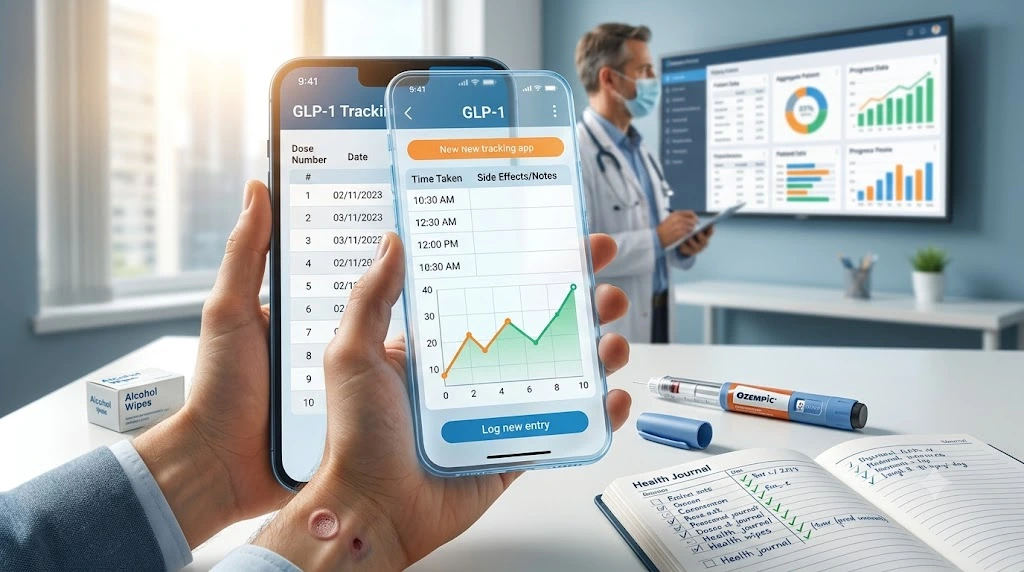
Where traditional medical models fall short, behavioral science offers a pathway. The concept of “cues to action” — prompts that trigger a specific behavior — is central to habit formation. Smartphone apps are perfectly positioned to provide these cues.
How Smart Reminders Work
Medication adherence apps use a variety of behavioral interventions:
- Alerting: Intelligent reminders based on your schedule ensure you never miss a dose.
- Tracking: Logging each dose creates a record of adherence and helps identify patterns.
- Refill Reminders: Apps can alert you when your medication supply is running low, preventing gaps in therapy.
By automating these prompts, apps reduce the cognitive load of remembering, freeing up mental energy for more important tasks like managing side effects and adopting healthy habits.
The Evidence: Does Tracking Actually Help?
The data suggests that consistent engagement is a powerful predictor of success. A study of over 19,600 patients in a digital weight-loss service found that consistent weekly weight tracking and health coach communication were the strongest positive predictors of long-term adherence.
Interestingly, the same study found that “hyper-engagement” (intensive daily tracking) was linked to higher attrition. This suggests that a sustainable, moderate pace is key. The goal is to build a routine, not create a burden.
Apps as the Central Hub
Modern GLP-1 tracking apps like Lotessa and GLPulse are designed to be more than just reminder tools. They serve as a central command center for your entire journey, integrating features that directly address the top reasons for discontinuation:
Stay consistent. Stay informed.
Explore how a smart GLP-1 tracking app can help you build sustainable habits and reduce the risk of discontinuation.
Try the Lotessa GLP-1 appConclusion: A Digital Bridge to Success
The evidence is clear: patient persistence is the primary translational challenge for GLP-1 therapy. While the medications are highly effective, their real-world impact is severely limited by high discontinuation rates. Smart medication reminders and comprehensive digital health platforms directly address the behavioral and informational gaps that lead patients to quit.
By providing consistent cues to action, simplifying side effect management, and celebrating holistic progress, apps like Lotessa and GLPulse can help patients navigate the complexities of GLP-1 therapy. As one developer aptly puts it: “Over half of GLP-1 patients discontinue within the first year. Lotessa exists to change that”. The research suggests this is a goal well within reach.
https://track.revoffers.com/aff_c?offer_id=1630&aff_id=12881
Disclaimer: This article is for informational purposes only and does not constitute medical advice. Always consult with a qualified healthcare professional regarding your health and medication. The information on this site is not a substitute for professional medical advice, diagnosis, or treatment. The linked app is a third-party service; use at your own discretion.
Evidence-based · behavioral science · digital health