
📋 Table of Contents
1. Why Protein Matters on Semaglutide
Semaglutide (Ozempic, Wegovy) works by reducing appetite and slowing gastric emptying. While this drives weight loss, it also creates a challenge: you’re eating less, but your protein needs haven’t changed—they’ve increased.
Clinical trials show that 26% to 40% of weight lost on GLP-1 medications can come from lean soft tissue (muscle) rather than fat. A 2024 poll found that ~12% of U.S. adults have used these drugs, yet a real-world study revealed that 88% of GLP-1 users aren’t hitting their recommended protein intake.
Experts recommend aiming for 1.2–1.6 grams of protein per kilogram of body weight daily during semaglutide treatment. For a 70 kg (154 lb) person, that’s 84–112 grams per day.
2. What Makes a Protein Shake “Best” for GLP-1 Users?
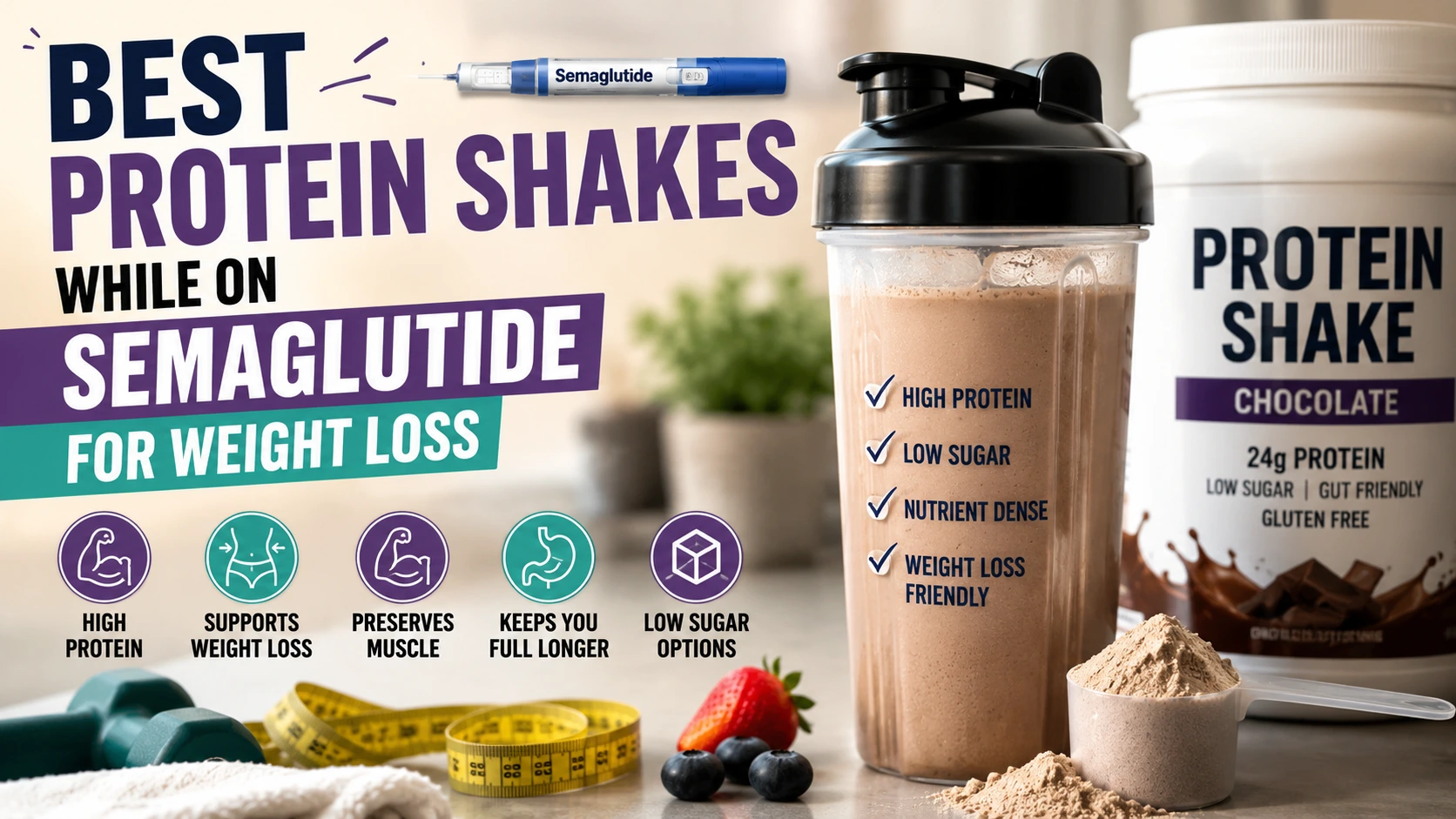
The “best” shake isn’t the most popular brand or the thickest, dessert-like option. For semaglutide users, “best” means: high-protein, low-irritation, and easy to tolerate when gastric emptying is slowed.
Key Criteria to Look For
- Protein content: 20–30 grams per serving—enough to support muscle preservation without overwhelming your reduced appetite.
- Low fat: Under 5 grams total fat per serving. High-fat shakes sit longer in the stomach and can worsen nausea.
- Low sugar: 5 grams or less per serving to support glycemic control.
- Digestible protein source: Whey protein isolate (low lactose) or simple plant blends (pea/rice) without heavy gums or sugar alcohols.
- Complete nutrition: Look for shakes fortified with vitamins and minerals—especially B12, vitamin D, iron, and calcium—which GLP-1 users commonly fall short on.
3. Protein Diet vs. Non-Protein Diet: A Comparative Table
This table illustrates why prioritizing protein—especially through shakes—can make a dramatic difference in your body composition during semaglutide treatment.
| Aspect | Protein-First Diet (with Shakes) | Standard/Non-Protein Diet |
|---|---|---|
| Muscle Preservation | Preserves or even increases lean mass with adequate protein + resistance training | Up to 40% of weight lost comes from muscle |
| Satiety & Cravings | Protein promotes fullness; reduces cravings for refined carbs | Higher hunger levels; blood sugar spikes and crashes |
| GI Tolerance | Easier to digest in shake form; can be tailored to symptoms (low-fat, low-fiber options) | Large, heavy meals worsen nausea and reflux; harder to portion |
| Nutritional Density | Shakes deliver 20g+ protein + vitamins/minerals in small volume | Risk of micronutrient deficiencies (B12, iron, vitamin D) when eating less |
| Convenience | Ready in seconds; portable; no cooking required | Requires meal prep; harder to meet protein goals when appetite is low |
| Real-World Example | Case study: patient lost 33% body weight, only 8.7% as lean mass with high protein + exercise | Typical trial: 40% of weight loss as lean tissue with standard diet |
| Metabolic Rate | Maintains resting energy expenditure; supports long-term weight maintenance | Drops with muscle loss; higher risk of weight regain |
Summary: A protein-focused approach—especially with shakes—helps you lose fat, not muscle, while keeping your energy levels and metabolism intact.
4. Best Protein Shake Types for Semaglutide Users
Rather than chasing a single “best brand,” focus on these shake categories and match them to your tolerance.
| Type | Protein per Serving | Best For | Key Advantage | Potential Drawback | Semaglutide Suitability |
|---|---|---|---|---|---|
| Whey Protein Isolate | ~25–30g | Post-exercise, meal replacement | High bioavailability, low lactose, mixes easily | Not suitable for dairy allergy | ⭐⭐⭐⭐⭐ — Excellent; gentle on digestion, low-fat options available |
| Plant-Based Blends (Pea + Rice) | ~20–25g | Dairy-free, vegan, sensitive stomachs | Complete amino acid profile when blended | Some contain inulin or sugar alcohols—check labels | ⭐⭐⭐⭐ — Good; choose simple formulas without extra fermentable fibers |
| Casein Protein | ~24–28g | Sustained overnight fullness | Slow digestion supports prolonged satiety | Thicker consistency; may worsen nausea or fullness | ⭐⭐⭐ — Moderate; slower digestion can conflict with delayed gastric emptying |
| Oral Nutrition Supplements (Ensure, Boost) | ~9–16g | Higher nutritional risk, illness recovery | Balanced macronutrients, fortified with vitamins | Higher sugar in standard versions; lower protein density | ⭐⭐⭐ — Moderate; choose high-protein, lower-sugar variants |
| Homemade Shake (Isolate + Almond Milk) | Customizable (20–30g) | Full ingredient control, multiple intolerances | Adjustable sugar, fat, fiber; no hidden additives | Requires prep time; nutrient content varies | ⭐⭐⭐⭐⭐ — Excellent; add flax or chia for constipation, skip if bloating |
| High-Sugar Commercial Shakes (>15g sugar) | Varies | Not recommended for semaglutide users | Widely available, palatable | Impairs glycemic control; counteracts treatment goals | ❌ — Avoid; target ≤5g sugar per serving |
5. How to Choose Based on Your GI Symptoms
Semaglutide affects everyone differently. Match your shake choice to your dominant symptoms.
For Nausea & Early Fullness
- Choose: Lower-fat whey isolate mixed with water; smaller portions (4–6 oz); thinner consistency; serve cold.
- Avoid: Thick, creamy shakes; high-fat bases (nut butters, full-fat milk); large volumes.
For Reflux
- Choose: Lower-fat formulas; avoid acidic mix-ins (citrus, tart berries); sip slowly over 10–15 minutes.
- Avoid: Rich, heavy shakes; drinking too quickly; consuming late in the evening.
For Constipation
- Choose: Thinner base with adequate fluid; small amounts of soluble fiber (oats, chia if tolerated); pair with hydration.
- Avoid: High doses of insoluble fiber or inulin-based “prebiotic” blends that can worsen bloating.
For Diarrhea or Sensitive Gut
- Choose: Whey protein isolate (low lactose) or simple pea/rice blend; minimal additives; no sugar alcohols.
- Avoid: Lactose-containing concentrates, inulin, chicory root, sorbitol, xylitol, maltitol.
6. Top 11 Dietitian-Recommended Picks (2026)
Based on expert recommendations, safety testing, and semaglutide-specific criteria, here are the top protein shakes and powders for 2026. Each pick is evaluated for digestibility, protein quality, and suitability for GLP-1 therapy.
| Rank | Product | Type | Protein | Key Feature | Best For |
|---|---|---|---|---|---|
| 1 | MuscleTech 100% Mass Gainer | Whey blend | ~25g | 0.0 µg lead — safest tested | Highest safety standard |
| 2 | Dymatize ISO-100 | Whey isolate | 25g | Hydrolyzed for easy digestion | Nausea-sensitive stomachs |
| 3 | Optimum Nutrition Gold Standard | Whey blend | 24g | Informed Choice certified; widely available | Daily use, proven track record |
| 4 | OWYN Pro Elite | Plant (pea/pumpkin) | 20g | NSF Sport certified; no gums or fillers | Vegan, dairy-free |
| 5 | Fairlife Core Power | Ready-to-drink | 26g | Lactose-free; fortified with calcium & vitamin D | Convenience, low appetite days |
| 6 | Body Fortress Super Advanced | Whey concentrate | ~26g | Non-detectable lead; Clean Label Project certified | Budget-conscious users |
| 7 | Evogen IsoJect | Whey isolate | 25g | Triple cold-filtered; virtually lactose-free | High-quality isolate, 20+ flavors |
| 8 | Truvani Plant Protein | Plant (pea) | 20g | 0.46 µg lead; organic, minimalist | Clean plant protein |
| 9 | Premier Protein | Ready-to-drink | 30g | Low sugar; wide flavor range | High protein in convenient bottle |
| 10 | Ascent Native Fuel Whey | Whey isolate | 25g | NSF Sport certified; minimally processed | Sport-certified clean protein |
| 11 | FLIP 7 Super Shake | Plant-based meal replacement | 20g | 7 Mega Blends™ — probiotics, enzymes, 25 vitamins/minerals | Complete nutrition in one serving |
Selection criteria: These picks are based on third-party safety testing (lead content), protein quality (PDCAAS/DIAAS scores), digestibility, and formulation suitability for GLP-1 users (low fat, low sugar, minimal GI irritants).
7. Featured Product: FLIP 7 Super Shake
If you’re looking for a shake that checks all the boxes—high protein, complete nutrition, and gentle on digestion—the FLIP 7 Superfood Meal Replacement is worth a closer look.

FLIP 7 Super Shake — Peanut Butter Power
What’s inside: 7 Health-Extending Mega Blends™ — Plant Proteins • Antioxidants • Superfood Greens • Prebiotics • Probiotics • Digestive Enzymes • 25 Vitamins & Minerals
Why it fits: Provides complete nutrition in a single serving, with plant-based protein that’s gentle on digestion. Supports whole-body health while you focus on weight loss.
🛒 Check Price & AvailabilityAffiliate link — we may earn a small commission at no extra cost to you.
8. Tips for Incorporating Protein Shakes into Your Routine
- Sip slowly: Consume your shake over 10–15 minutes rather than quickly—this matches your slowed digestion and prevents nausea.
- Start small: If appetite is very low, try a “mini shake” with half a serving (10–15g protein) in 4–6 oz of liquid.
- Use as a bridge, not a crutch: A shake works best as a breakfast or post-workout option, not as a replacement for all meals. Listen to your hunger cues.
- Pair with resistance training: Case studies show that combining adequate protein intake with strength training 3–5 days per week can preserve—or even increase—lean muscle during GLP-1 therapy.
- Stay hydrated: Reduced appetite means lower fluid intake. Use your shake as an opportunity to add fluids, and drink water throughout the day.
9. Frequently Asked Questions
Aim for 1.2–1.6 grams per kilogram of body weight daily. A 70 kg person needs about 84–112 grams per day.
Yes, but focus on complete shakes that provide protein, fiber, vitamins, and minerals. Use them to supplement meals, not replace all food intake unless under medical guidance.
Whey protein isolate mixed with water in a thin consistency is often best tolerated. Lower fat and smaller portions help reduce nausea.
They can if they contain lactose, sugar alcohols, or high amounts of fermentable fiber (like inulin). Choose lactose-free, low-FODMAP options and introduce slowly.
Absolutely. Men also experience significant lean mass loss on GLP-1 drugs. Protein shakes help preserve muscle, support strength, and maintain metabolic rate.
Post-workout is ideal for muscle repair, but a small shake before exercise can provide energy. Experiment with timing to see what feels best on your stomach.
They’re a great option for those with dairy sensitivities. Choose simple pea/rice blends without added inulin or sugar alcohols. Some may find whey isolate easier to digest—it’s individual.
Avoid brands with elevated heavy metals (like Garden of Life, Orgain Organic), high sugar content (>15g), excessive fat, or gut-irritating additives like inulin and sugar alcohols.
Disclosure & Disclaimer
Disclosure: Some links in this article are affiliate links. If you click on an affiliate link and make a purchase, we may receive a small commission at no extra cost to you. This helps support our content creation. All product recommendations are based on independent research and expert insights, not solely on the commission earned.
Disclaimer: This article is for informational and educational purposes only. It does not constitute medical advice. Always consult a qualified healthcare professional—such as your prescribing physician or a registered dietitian—before starting any new supplement, protein shake, or dietary regimen, especially when taking prescription medications like semaglutide. Individual nutritional needs vary, and what works for one person may not be suitable for another.
PS: Navigating weight loss on semaglutide is a journey—and preserving your muscle is just as important as losing the fat. Protein shakes can be your ally, but remember: consistency, whole foods, and listening to your body are the real keys to sustainable success. You’ve got this! 💪🌱