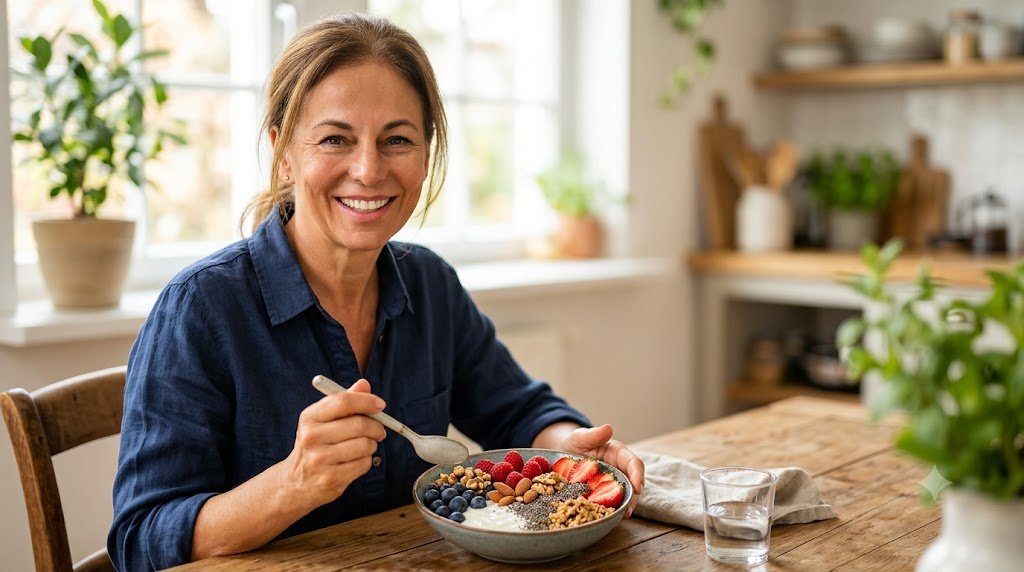

Quick verdict: No single food guarantees a longer life or melts fat. But the strongest evidence points to a plant-forward pattern built on legumes, vegetables, whole grains, nuts, olive oil, and fish — a pattern linked to lower rates of chronic disease and healthier aging. The 15 foods below are the highest-value staples to put in your cart because they support satiety, fiber intake, inflammation control, and metabolic health at the same time. Start with legumes, olive oil, fatty fish, and leafy greens; add the rest as your budget and taste allow. Anyone with a medical condition, food allergy, or medication regimen should confirm changes with a qualified clinician.
Featured health resource
Explore today’s featured health resource here.
Visit the Official Offer Page → https://track.revoffers.com/aff_c?offer_id=1701&aff_id=12881A note on the partner link: The destination offer could not be independently verified at the time of writing. Please review the offer page carefully before purchasing, and confirm that it is appropriate for your needs.
What “Longevity + Weight Loss” Eating Actually Means
Longevity eating is not a magic ingredient. It is a dietary pattern that reduces chronic inflammation, supports cardiovascular and metabolic health, and preserves muscle and function as you age. Weight loss enters the picture because excess body fat — especially visceral fat — is linked to the same chronic diseases that shorten healthspan. The foods that help most are not exotic. They are fiber-rich, nutrient-dense, minimally processed foods that keep you full on fewer calories while feeding your gut and dampening inflammation.
You do not need a perfect diet. You need a direction you can return to.
The Mediterranean pattern and the Blue Zones — regions with unusually high numbers of centenarians — overlap heavily: beans and legumes daily, vegetables and fruits, whole grains, nuts, olive oil, fish, and very little processed meat or added sugar. That overlap is the practical foundation of this list.
The 15 Must-Buy Foods
1. Beans and Lentils (Legumes)
Why they earn a top spot: In a study of older adults across different cultures, legumes were the single most important dietary predictor of survival. Legume intake is also associated with lower risk of obesity, better blood-glucose control, and lower cardiovascular risk.
Weight-loss mechanism: Legumes deliver protein + fiber in one package. That combination slows digestion and increases fullness — a key advantage when you are managing calories.
Practical use: Half a cup to one cup of cooked lentils, chickpeas, black beans, or kidney beans daily. Add to salads, soups, grain bowls, or scramble with eggs.
Small choices, repeated daily, become the architecture of a longer, stronger life.
2. Extra-Virgin Olive Oil
Why it earns a spot: Extra-virgin olive oil is the signature fat of the Mediterranean pattern, and higher olive-oil intake has been linked to lower mortality from cardiovascular disease, cancer, and neurodegenerative disease. In the PREDIMED trial, a Mediterranean diet supplemented with extra-virgin olive oil reduced major cardiovascular events in high-risk adults.
Weight-loss mechanism: Olive oil is calorie-dense, but it improves the quality of the fat in your diet and can replace saturated fats like butter. When used in place of saturated fat, it supports cardiovascular health without requiring a low-fat diet.
Practical use: One to two tablespoons daily for cooking, drizzling, or dressing. Measure it if you are tracking calories — the goal is replacement, not addition.
3. Fatty Fish (Salmon, Sardines, Mackerel)
Why it earns a spot: Fatty fish is the richest dietary source of long-chain omega-3 fatty acids (EPA and DHA), which support heart, brain, and metabolic health. Fish consumption is associated with lower cardiovascular risk and improved lipid profiles.
Weight-loss mechanism: Protein is the most satiating macronutrient. A high-protein meal reduces hunger more effectively than a high-carbohydrate or high-fat meal in controlled studies. Fish gives you high-quality protein with a favorable fat profile.
Practical use: Two servings per week, especially sardines, salmon, mackerel, or trout. Canned sardines are one of the cheapest, lowest-mercury options.
4. Leafy Greens (Spinach, Kale, Collards)
Why they earn a spot: Leafy greens are consistently included in longevity-oriented dietary patterns because they provide fiber, folate, vitamin K, magnesium, and carotenoids with very few calories. Higher intake of plant foods rich in these compounds is associated with lower inflammation and reduced frailty risk.
Weight-loss mechanism: Extremely high nutrient density and low energy density. You can eat a large volume for relatively few calories, which helps with hunger and portion satisfaction.
Practical use: One to two cups cooked or several handfuls raw daily. Frozen spinach and kale are nutritionally comparable and often cheaper.
Your next meal is a vote for the future you want.
5. Cruciferous Vegetables (Broccoli, Cauliflower, Cabbage)
Why they earn a spot: Cruciferous vegetables are rich in glucosinolates and polyphenols that activate antioxidant and anti-inflammatory pathways. They are a core component of plant-forward patterns linked to lower chronic-disease risk.
Weight-loss mechanism: High fiber and water content increases meal volume and supports fullness. They also add texture and flavor without calorie density.
Practical use: Roast, steam, or stir-fry with olive oil and garlic. Aim for at least three to four servings per week.
6. Berries (Blueberries, Strawberries, Raspberries)
Why they earn a spot: Berries are among the richest sources of flavonoids, and a Harvard-led analysis of more than 86,000 adults found that higher flavonoid intake was associated with lower risk of frailty and impaired physical function in women. Flavonoids are recognized for reducing inflammation and supporting healthy blood vessels.
Weight-loss mechanism: Fiber and water make berries a high-satiety, low-calorie sweet food. They can replace sugary desserts without feeling like deprivation.
Practical use: One-half to one cup fresh or frozen daily. Frozen berries are equally nutritious and often more affordable.
7. Apples and Citrus Fruits
Why they earn a spot: Apples, oranges, and other flavonoid-rich fruits were specifically included in the Harvard aging analysis. Citrus also provides vitamin C and hesperidin, while apples supply pectin, a soluble fiber.
Weight-loss mechanism: Whole fruit delivers fiber and water that juice does not. Chewing whole fruit slows intake and increases fullness signals.
Practical use: One to two whole fruits daily. Keep them visible on the counter — convenience drives behavior.
Progress, not perfection, is the goal. One good choice at a time is enough.
8. Walnuts
Why they earn a spot: In a randomized controlled trial, adding walnuts to the habitual diet was associated with more anti-inflammatory dietary scores compared with a walnut-free control diet. Walnuts are also a source of omega-3 ALA, polyphenols, and fiber.
Weight-loss mechanism: Nuts are calorie-dense, but they improve satiety and can displace less nutritious snacks. Controlled trials show that nut consumption can reduce later energy intake.
Practical use: A small handful (about 1 ounce) daily. Portion them out rather than eating from the bag.
9. Almonds and Other Nuts
Why they earn a spot: Nuts are a core component of the Mediterranean pattern and are associated with lower cardiovascular risk and healthier aging. They provide monounsaturated fat, magnesium, fiber, and plant protein.
Weight-loss mechanism: Almonds have been shown to influence appetite-regulating hormones, including GLP-1, and to reduce energy intake at a subsequent meal.
Practical use: One ounce (about 23 almonds) as a snack or sprinkled on yogurt or salads. Choose raw or dry-roasted, unsalted versions.
10. Oats
Why they earn a spot: Oats are rich in beta-glucan, a soluble fiber that supports cholesterol management and blood-sugar control. Whole grains, including oats, are associated with lower risk of coronary heart disease, type 2 diabetes, and obesity.
Weight-loss mechanism: Beta-glucan forms a gel in the gut that slows digestion and increases fullness. Oats are also a practical vehicle for protein and fiber at breakfast.
Practical use: Steel-cut or rolled oats, not sugary instant packets. Add Greek yogurt, berries, and walnuts for a high-satiety meal.
Nourish the body you want to keep for decades.
11. Barley
Why it earns a spot: Barley is one of the whole grains specifically linked to lower chronic-disease risk in the Mediterranean literature. It is exceptionally high in soluble fiber, particularly beta-glucan.
Weight-loss mechanism: High fiber and chewy texture slow eating and extend satiety. Barley’s fiber also feeds beneficial gut bacteria.
Practical use: Use pearled or hulled barley in soups, stews, and grain salads. It freezes well for batch cooking.
12. Quinoa
Why it earns a spot: Quinoa is a whole grain with complete protein, meaning it provides all nine essential amino acids. Whole grains are associated with lower risk of obesity and cardiometabolic disease.
Weight-loss mechanism: Protein + fiber + a firm texture make quinoa more satiating than refined grains like white rice. It also helps preserve lean mass during weight loss.
Practical use: One-half to one cup cooked as a base for bowls. Rinse before cooking to remove bitterness.
13. Plain Greek Yogurt
Why it earns a spot: Greek yogurt is a high-protein fermented food. In a randomized trial in women with overweight or obesity, Greek yogurt significantly increased satiety 30 minutes after consumption.
Weight-loss mechanism: High protein per serving supports fullness and muscle preservation. Fermented dairy may also support gut health, though evidence is still developing.
Practical use: Choose plain, unsweetened Greek yogurt and add berries, nuts, or cinnamon. Avoid flavored varieties with added sugar.
The best time to start was yesterday. The second-best time is now.
14. Green Tea
Why it earns a spot: Green tea is rich in polyphenols, especially EGCG, which have been studied for anti-inflammatory and antioxidant effects. Polyphenol-rich foods are part of dietary patterns associated with healthier aging.
Weight-loss mechanism: Green tea is not a magic fat burner, but it is a calorie-free alternative to sugary drinks, and its caffeine and polyphenols may modestly support energy expenditure and fat oxidation. The bigger win is replacement.
Practical use: Two to four cups daily, unsweetened. If you are sensitive to caffeine, avoid drinking it late in the day.
15. Dark Chocolate (70% Cacao or Higher)
Why it earns a spot: Dark chocolate is a polyphenol-dense food, and polyphenol-rich diets have been linked to healthier aging and lower inflammation. Cocoa flavanols support blood-vessel function.
Weight-loss mechanism: Dark chocolate is calorie-dense, so it is not a “weight-loss food” in large amounts. But a small portion can satisfy a sweet craving and reduce the likelihood of overeating less satisfying treats. The goal is mindful inclusion, not restriction.
Practical use: One to two small squares (about 0.5 ounce) after a meal or as a deliberate treat. Choose 70% or higher and eat it slowly.
Comparison Table: What Each Food Brings to the Plate
| Food | Key longevity-supporting nutrients | Weight-loss / satiety mechanism | Practical daily or weekly target |
|---|---|---|---|
| Beans and lentils | Fiber, plant protein, potassium, folate | Protein + fiber slow digestion; high fullness | ½–1 cup cooked daily |
| Extra-virgin olive oil | Monounsaturated fat, polyphenols, vitamin E | Replaces saturated fat; improves diet quality | 1–2 tbsp daily |
| Fatty fish | Omega-3 EPA/DHA, high-quality protein | Protein is the most satiating macronutrient | 2 servings per week |
| Leafy greens | Fiber, folate, vitamin K, carotenoids | High volume, low energy density | 1–2 cups daily |
| Cruciferous vegetables | Glucosinolates, polyphenols, fiber | High fiber and water content | 3–4 servings per week |
| Berries | Flavonoids, vitamin C, fiber | Low-calorie sweetness; fiber-rich | ½–1 cup daily |
| Apples and citrus | Flavonoids, pectin, vitamin C | Whole-fruit fiber and water | 1–2 whole fruits daily |
| Walnuts | ALA omega-3, polyphenols, fiber | Satiety; anti-inflammatory dietary score | 1 oz daily |
| Almonds and other nuts | Monounsaturated fat, magnesium, fiber | Appetite-hormone effects; reduced later intake | 1 oz daily |
| Oats | Beta-glucan soluble fiber, whole-grain nutrients | Gel-forming fiber slows digestion | ½–1 cup dry oats |
| Barley | Beta-glucan, whole-grain fiber | High fiber; chewy texture slows eating | ½–1 cup cooked |
| Quinoa | Complete plant protein, fiber, minerals | Protein + fiber + texture | ½–1 cup cooked |
| Plain Greek yogurt | High protein, calcium, probiotics | Significant satiety effect | 1 cup daily |
| Green tea | Polyphenols (EGCG), caffeine | Calorie-free replacement for sugary drinks | 2–4 cups daily |
| Dark chocolate (70%+) | Cocoa flavanols, polyphenols | Small portion satisfies sweet cravings | 0.5 oz as a treat |
Important: Where evidence is associative rather than causal, the table reflects that distinction. This table is not a substitute for individualized medical or dietetic advice.
Recommended Kitchen Tools for Your Longevity Kitchen
The foods above do the heavy lifting, but the right tools make the pattern easier to sustain. These affiliate picks support batch cooking, portion control, and simple meal prep.
Product 1 — Kitchen essential for meal prep
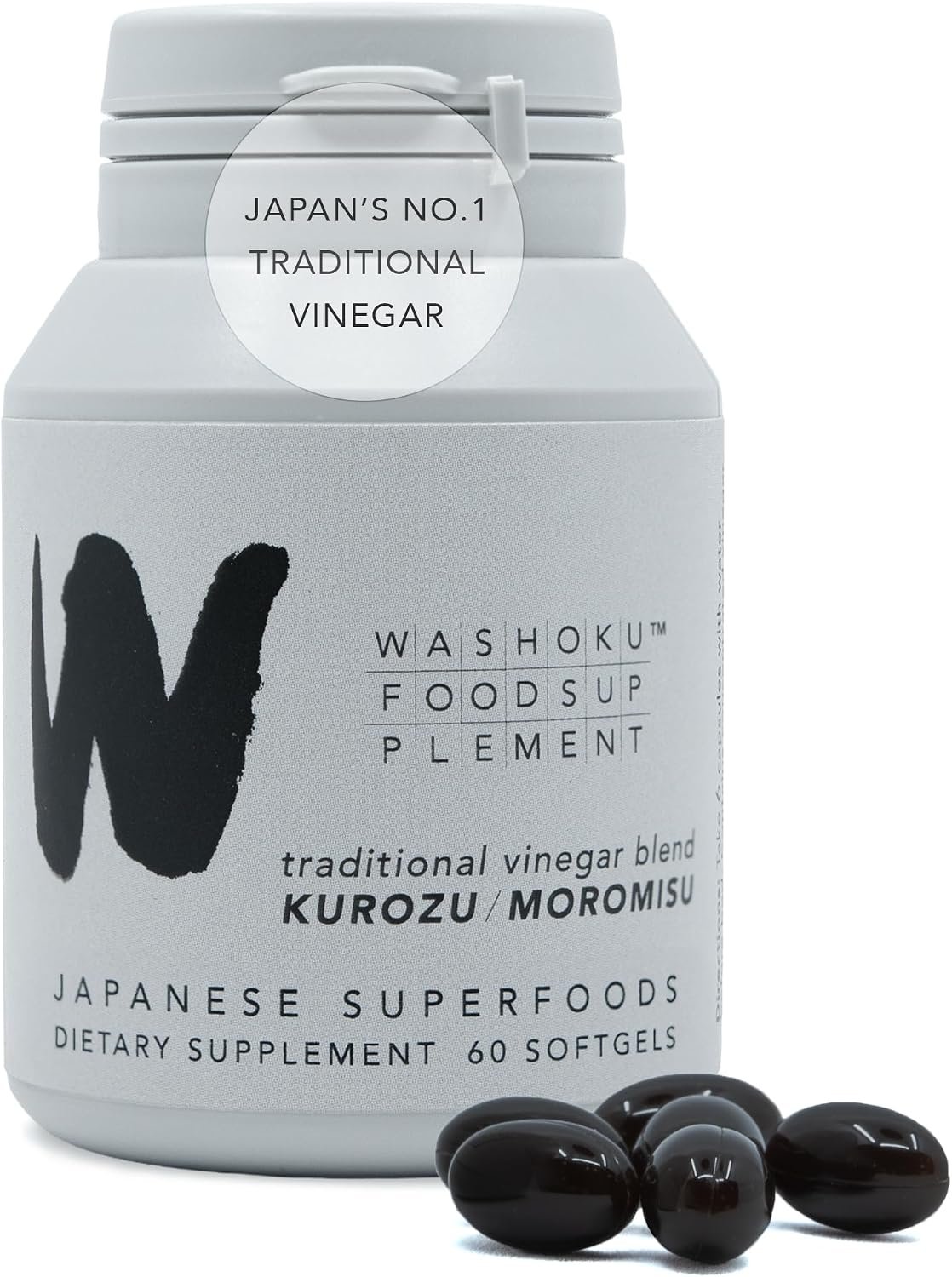
A practical addition to a longevity-focused kitchen routine.
Product 2 — Practical tool for portioning and storage
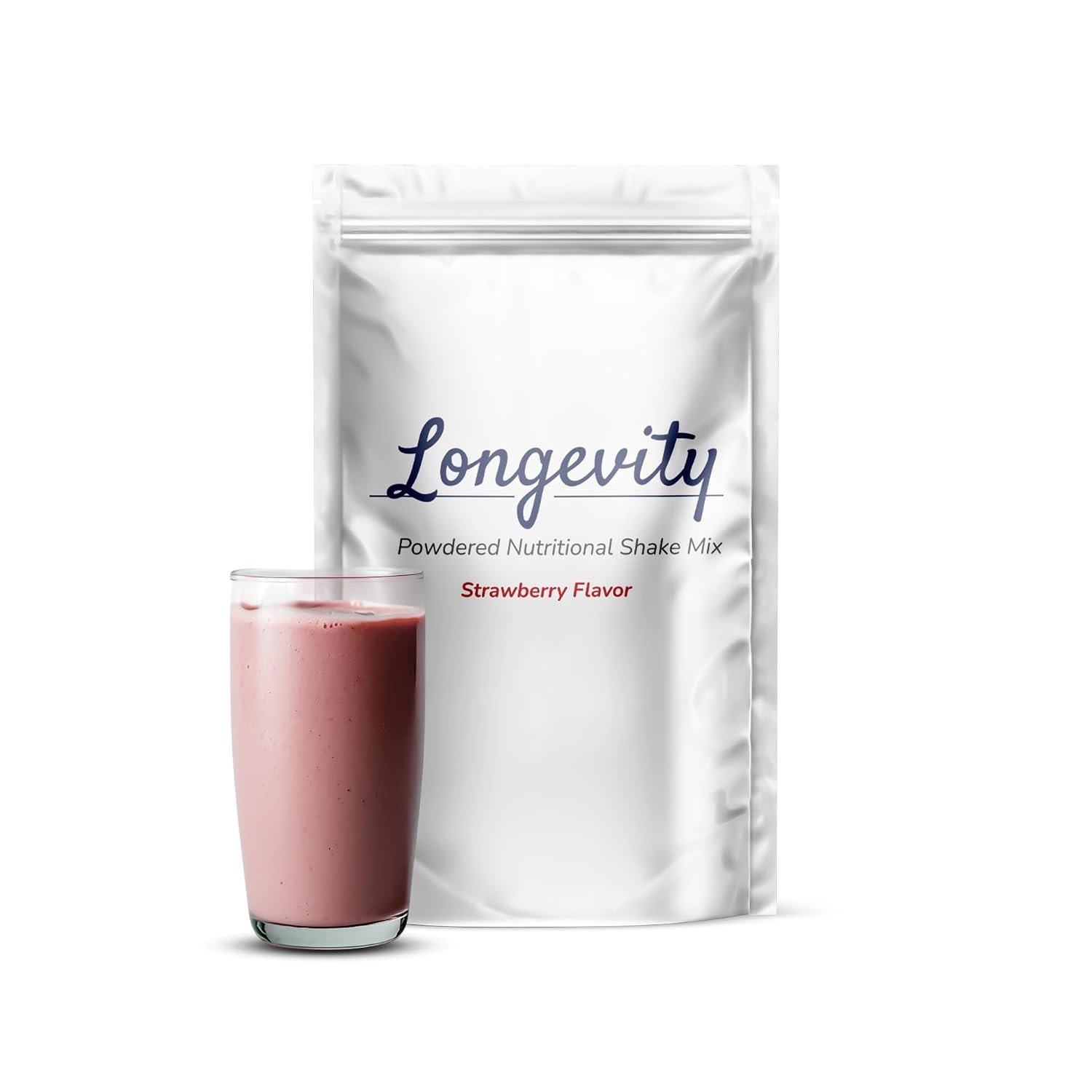
Helps with portion control and keeping prepared food fresh.
The right tools do not make the choices for you. They make the right choices easier to repeat.
Note: The product identities could not be independently verified from the shortened Amazon links at the time of publication. Please review each product page carefully before purchasing. Prices, availability, and specifications are set by the seller and may change.
How to Build a Longevity-and-Fat-Loss Meal
Use this simple plate formula:
- ½ plate non-starchy vegetables — leafy greens, broccoli, cauliflower, peppers, tomatoes.
- ¼ plate lean protein — fish, Greek yogurt, eggs, legumes, poultry.
- ¼ plate whole grains or starchy vegetables — oats, barley, quinoa, sweet potato.
- A thumb of healthy fat — olive oil, nuts, avocado, seeds.
- A fruit or berries for fiber and sweetness.
You are not chasing a number on a scale. You are building a body that can carry you through the next 30 years.
This pattern naturally increases fiber and protein — the two nutrients most consistently associated with fullness and healthier aging — while reducing ultra-processed foods that drive overeating.
What to Limit (Without Fear)
The Blue Zones and Mediterranean patterns are defined as much by what they limit as by what they include:
- Processed meats — eaten rarely, if at all.
- Added sugars and sugary drinks — replace with water, green tea, or sparkling water.
- Refined grains — choose whole grains most of the time.
- Ultra-processed snacks — a 2025 study suggested that minimally processed foods lead to greater weight loss than ultra-processed versions, even when the ultra-processed versions are marketed as “healthy.”
You do not need to eliminate these foods. The goal is frequency and portion awareness, not perfection.
Safety and Who Should Be Cautious
- Legumes and fiber: Increase gradually to avoid bloating. Drink enough water.
- Fatty fish: Choose low-mercury options such as sardines, salmon, and trout. Pregnant people and those with mercury concerns should follow FDA guidance.
- Nuts and olive oil: These are calorie-dense. If you are tracking calories, measure portions.
- Greek yogurt: Choose plain, unsweetened. If you are lactose intolerant, fermented dairy may be better tolerated, but individual response varies.
- Green tea: Contains caffeine. Limit if you are sensitive or have a condition that requires caffeine restriction.
- Dark chocolate: Contains calories and small amounts of caffeine and theobromine. Keep portions small.
- Medical conditions: If you have diabetes, kidney disease, heart disease, or a history of disordered eating, work with a registered dietitian or physician before making significant dietary changes.
Medical disclaimer: This article is for educational purposes only and is not medical advice. Consult a qualified healthcare professional before changing your diet, especially if you have a medical condition or take prescription medication. Never start, stop, or change a prescribed medication without professional guidance.
FAQ
Are these foods enough to lose weight on their own?
No. Weight loss depends on overall energy balance, protein intake, sleep, stress, and activity. These foods make a calorie deficit easier to tolerate because they are filling and nutrient-dense, but they are not a shortcut.
Do I have to eat all 15 every day?
No. Aim for variety across the week. The highest-priority daily staples are legumes, leafy greens, and a source of protein; olive oil and nuts can be daily in small amounts; fish and berries can be several times per week.
Is the Mediterranean diet the same as a longevity diet?
They overlap heavily. The Mediterranean pattern is one of the most studied dietary patterns for cardiovascular health and healthy aging, and it shares core foods with Blue Zone eating patterns.
Can I follow this pattern if I am vegetarian or vegan?
Yes. Legumes, whole grains, nuts, olive oil, vegetables, and fruit form the backbone. Plant protein sources such as tofu, tempeh, and lentils can replace fish. Vitamin B12 and omega-3 status should be monitored with a clinician.
What about supplements?
Food first. Supplements can fill specific gaps, but they do not replace a dietary pattern. The evidence for most individual supplements and longevity is weaker than the evidence for plant-forward eating patterns.
Is the affiliate offer a food or a supplement?
The partner offer linked in this article is a separate health-related resource. Review the offer page directly to determine what it includes and whether it is appropriate for you. It is not a substitute for whole foods or medical care.
Final Verdict
The best foods for longevity and weight loss are not expensive superfoods. They are legumes, olive oil, fatty fish, leafy greens, cruciferous vegetables, berries, whole fruits, walnuts, almonds, oats, barley, quinoa, Greek yogurt, green tea, and small amounts of dark chocolate — arranged into a plant-forward pattern that you can sustain.
If you change only three things this week, make them:
- Add legumes to one meal every day.
- Use olive oil instead of butter for cooking.
- Eat fish twice a week and berries most days.
You do not need to overhaul your life overnight. You need one repeatable meal that works for you — and the willingness to repeat it.
Ready to explore a complementary health resource?
Featured health resource
Review the offer carefully and confirm that it aligns with your health goals and medical needs.
Explore the Featured Offer → https://track.revoffers.com/aff_c?offer_id=1701&aff_id=12881References
- Mayo Clinic Diet. “The Mediterranean diet: A path to longevity, healthy aging and weight loss.” diet.mayoclinic.org
- NewYork-Presbyterian. “How the Blue Zones and Mediterranean Diets May be Linked to Longevity.” nyp.org
- Harvard Health Publishing. “Flavonoid-rich foods may fuel healthier aging.” health.harvard.edu
- NIH / PMC review. “Mediterranean Dietary Pattern for Healthy and Active Aging.” ncbi.nlm.nih.gov
- Harvard Health Publishing. “Study links Mediterranean diet to living longer.” health.harvard.edu
- Harvard Health Publishing. “Eating more olive oil linked to longer life span.” health.harvard.edu
- NIH library record. “Exploring the effects of high protein versus high fat snacks on satiety, gut hormones and insulin secretion in women with overweight and obesity.” Obesity Pillars, 2025.
- ScienceDirect. “The Dietary Inflammatory Index Is Lower Among Healthy Older Adults Consuming a Walnut-Supplemented Diet.” 2026.
- ScienceDirect. “Dietary bioactive compounds and inflammaging.” 2026.
- PMC / NIH. “Plant Proteins: Assessing Their Nutritional Quality and Effects on Health and Physical Function.” 2020.
- Harvard Health Publishing. “For weight loss, minimally processed diets beat ultra-processed versions.” 2025.
- BMC Nutrition. “The postprandial effects of macronutrient composition on appetite response.” 2026.
- Confirm the affiliate offer destination and terms; the RevOffers link could not be verified during drafting.
- Confirm the two Amazon product links and verify product identities; the shortened links resolved to Amazon’s generic page during drafting.
- Add an accurate author byline and, if possible, review by a registered dietitian or physician.
- Insert internal links to related articles on the site (e.g., “Mediterranean diet basics,” “high-protein foods,” “fiber guide”).
- Add a featured image: an overhead flat-lay of a bowl with lentils, leafy greens, olive oil, walnuts, and berries. Alt text: “Bowl of legumes, leafy greens, olive oil, and berries representing foods for longevity and weight loss.”
- Verify all external links resolve correctly.
- Add publication and update dates.
- Ensure the affiliate disclosure appears above or near the first affiliate link.
- Add the medical disclaimer in the footer and near the safety section.
- Check mobile readability and table responsiveness.
- Set canonical URL and confirm indexability.
- Consider FAQ schema only if the FAQ content is visible on the page and meets eligibility guidelines.
- Schedule a content review within 12 months, or sooner if new major evidence emerges.