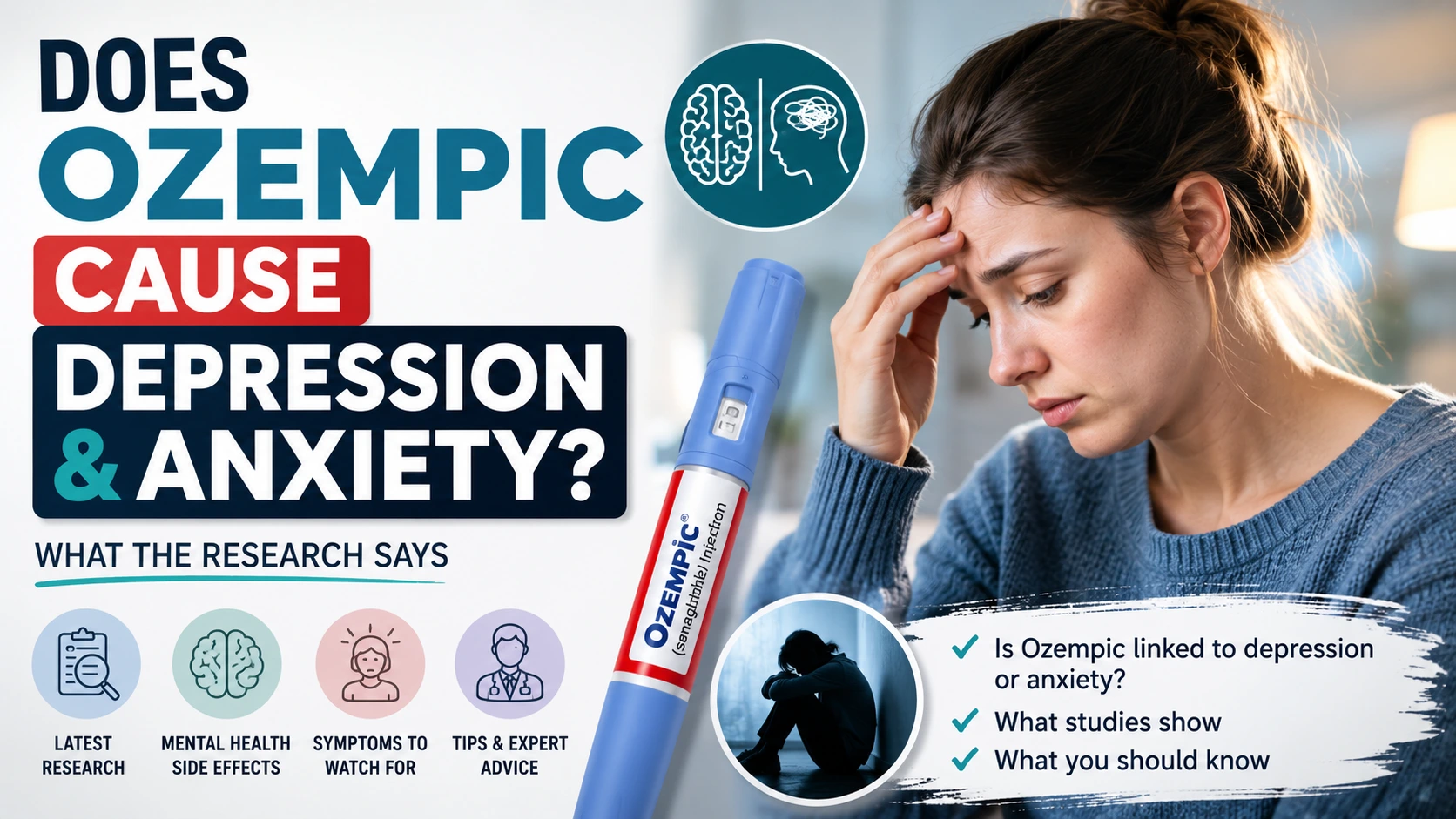

Does Ozempic cause depression and anxiety? Current research shows a possible link in some individuals, but it is not a guaranteed side effect. Most people do not experience serious mood changes, yet those with a history of depression may be more sensitive. The key is awareness, tracking your mood, and open communication with your prescriber. Below we break down the before‑and‑after picture, coping strategies, and expert answers.
With the rising popularity of GLP‑1 receptor agonists like Ozempic (semaglutide), many patients and doctors are paying close attention to mental health. The question “does Ozempic cause depression and anxiety” has become a frequent search – and for good reason. While the medication is highly effective for type 2 diabetes and weight management, the brain‑gut connection means that changes in appetite, blood sugar, and even hormones can influence mood.
⚖️ Before vs. After Ozempic – a snapshot
| 🔹 Aspect | 🔸 Before Ozempic | 🔹 After starting Ozempic |
|---|---|---|
| Appetite & food noise | Frequent cravings, constant thoughts about food | Reduced appetite, less “food noise” – often liberating |
| Blood glucose | Unstable levels, energy dips | More stable glucose, fewer spikes |
| Mood baseline | Depends on individual; may have pre‑existing anxiety | Some report improved mood (better glucose = better energy); others feel “flattened” |
| Anxiety / depression symptoms | Could be present or absent | In ~5‑10% of users: transient low mood or irritability; rarely persistent |
| Weight / body image | Often a source of stress | Weight loss can boost confidence – but rapid change may trigger emotional shifts |
| Energy & fatigue | Variable | Often fatigue in first weeks; can mimic depressive lethargy |
⚠️ Individual responses vary widely. The table reflects general trends, not guaranteed outcomes.
🧬 The connection – why might mood change?
The question “does Ozempic cause depression and anxiety” isn’t a simple yes or no. GLP‑1 receptors are found not only in the gut and pancreas but also in areas of the brain that regulate reward, stress, and emotional processing. When you take semaglutide, it alters dopamine and serotonin pathways indirectly. For some, this brings a sense of calm; for others, it can unmask underlying vulnerability to low mood. Additionally, rapid weight loss, calorie restriction, and gastrointestinal side effects (nausea) can contribute to fatigue and irritability, which may be misinterpreted as depression.
🧘 How to cope – practical strategies
If you notice persistent sadness, anxiety, or loss of interest, do not ignore it. Often, a simple dose adjustment or switching to a different GLP‑1 can make a world of difference. Also, consider that depression and anxiety can have many causes – Ozempic might be one piece of the puzzle.
❓ FAQs about Ozempic and mood
Does Ozempic Cause Depression? What You Need to Know
Understanding mental health risks: Clinical data suggest a small increased risk of depressive symptoms, but most users do not experience clinical depression. The risk appears higher in those with a personal or family history of mood disorders. Always monitor your mood and report changes to your doctor.
Can Ozempic Trigger Anxiety and Panic Attacks?
Identifying anxiety symptoms: Yes, some people report new or worsened anxiety, including sudden panic attacks. This may be linked to blood sugar fluctuations, the body’s stress response to rapid weight loss, or direct GLP‑1 effects on the amygdala. If you experience chest tightness, racing heart, or overwhelming fear, seek medical advice promptly.
Ozempic and Suicidal Thoughts: What the Research Shows
Safety concerns about severe mood changes: Current large‑scale studies have not found a definitive causal link between semaglutide and suicidal ideation. However, isolated case reports exist. Regulatory agencies (FDA, EMA) continue to monitor. If you have thoughts of self‑harm, contact emergency services immediately – this is not something to manage alone.
Does Ozempic mess with your feelings?
For some, yes. It can dull emotional intensity (sometimes called “emotional blunting”) or make you feel more irritable. This is often temporary and dose‑dependent. Others report feeling more emotionally stable due to better metabolic control.
How do people feel on Ozempic?
Experiences vary: many feel empowered, energetic, and in control of eating. Others describe fatigue, nausea, and a “flat” mood during the first weeks. Over time, most adapt and report a neutral or positive emotional state.
What happens after going off Ozempic?
Discontinuation often leads to return of appetite, potential weight regain, and blood sugar changes. Mood usually reverts to baseline, but some people experience a temporary “rebound” anxiety or low mood as hormones recalibrate. Never stop abruptly – work with your doctor on a taper plan.
How to lessen side effects of Ozempic?
Start with a low dose and increase slowly. Stay hydrated, eat small bland meals, avoid high‑fat foods, and get adequate sleep. For mood, regular exercise, mindfulness, and social support are key. If side effects are severe, your doctor may adjust the dose or switch medications.
Does Ozempic depression go away?
In most cases, depressive symptoms are transient and improve within 4‑12 weeks as the body adjusts. If they persist, a dose reduction or adding an antidepressant (under medical supervision) can help. Always discuss with your prescriber.
Why does semaglutide cause depression?
The exact mechanism isn’t fully understood, but GLP‑1 receptors in the brain influence serotonin and dopamine. Changes in eating behaviour, nutrient intake, and even the gut microbiome can also affect mood. It’s a complex interplay – not a single cause.
Can Ozempic cause panic attacks?
Yes, some users have reported new‑onset panic attacks, especially during dose escalation. If you experience sudden intense fear, palpitations, or shortness of breath, inform your doctor. They may recommend a slower titration or additional anxiety management.
Why does semaglutide cause anxiety?
Possible reasons: hypoglycemia (low blood sugar), the stress of rapid weight loss, and direct effects on the brain’s fear circuitry. Additionally, some people become hyper‑aware of bodily sensations (heart rate, GI discomfort) which can fuel health anxiety.
Semaglutide anxiety Reddit & Semaglutide depression Reddit – what are people saying?
Online communities report a mixed bag: many share positive stories, while others describe anxiety, low mood, or emotional blunting. Remember, Reddit is anecdotal – not medical evidence. Use it for support, but always verify with your healthcare provider.
Can Semaglutide cause anxiety or depression?
Yes, it is a recognised but uncommon side effect. The prescribing information lists depression and anxiety as “infrequent” (affecting 1‑10% of users). Monitoring and early intervention are key to managing these risks effectively.
Does semaglutide cause panic attacks?
As mentioned above, panic attacks have been reported. They are not among the most common side effects, but they are significant when they occur. If you have a history of panic disorder, discuss this with your doctor before starting Ozempic.
This article is for informational and educational purposes only. It does not constitute medical advice. Always consult a qualified healthcare provider regarding your specific health condition, medication, and mental health. The author is not affiliated with Novo Nordisk or any pharmaceutical company. Individual results may vary.
If you’re reading this because you’re worried about “does Ozempic cause depression and anxiety”, you’re already taking the right step – being informed. Mental health is just as important as metabolic health. You are not alone, and most side effects are manageable with the right support. Keep the conversation open with your care team. You’ve got this.
© 2026 · written for those navigating GLP‑1 therapy with care