
TL;DR
You don’t need meat to build a lean, strong physique. This guide covers the top 20 vegetarian powerhouses—from protein-packed legumes and ancient grains to dairy staples and soy products—that help you shed fat while gaining lean muscle. We also break down exactly what to eat, how much, and answer all your burning questions about vegetarian muscle-building nutrition.
Table of Contents
Introduction
Transitioning to a vegetarian diet—or simply reducing your meat intake—doesn’t mean kissing your fitness goals goodbye. In fact, plant-based and vegetarian foods offer some of the cleanest, most nutrient-dense sources of protein available. Whether your goal is to trim down, bulk up, or completely transform your body composition, strategically choosing your foods is the secret weapon to your success.
Protein is the building block of muscle, and it also boasts a high thermic effect—meaning your body burns more calories simply digesting it. By incorporating the right plant-based and dairy proteins, you optimize your metabolism for fat loss while providing your muscles the exact amino acids they need to recover and grow.
Add our site to your trusted sources on Google to never miss an update on fitness and nutrition!
Q&A Snippet: Your Guide to Vegetarian Protein
Best High-Protein Vegetarian Foods for Weight Loss & Muscle Gain
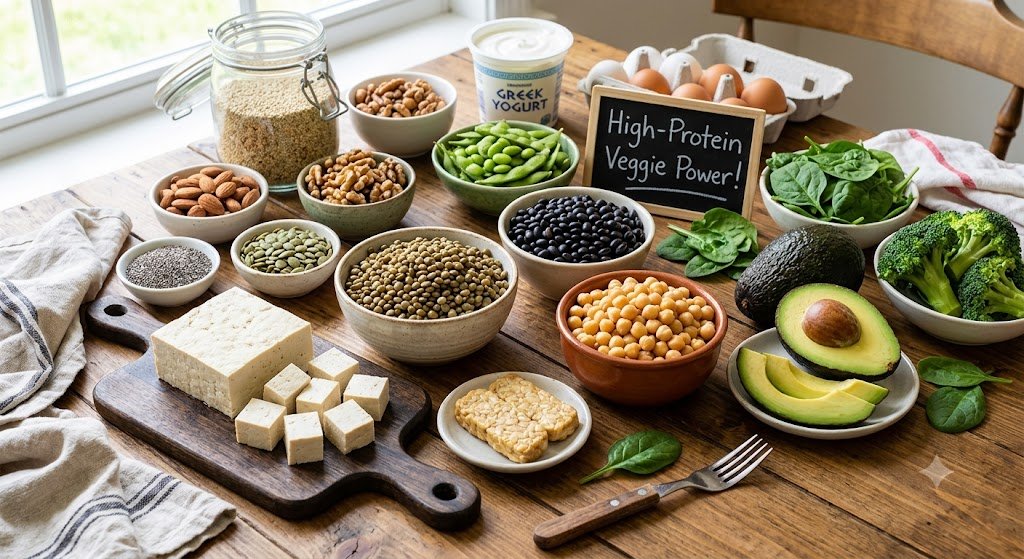
When trying to simultaneously lose weight and build muscle, you need foods that are high in protein but moderate in overall calories. Greek yogurt, cottage cheese, tempeh, and seitan are unparalleled in their protein-to-calorie ratios. They keep you satiated, preventing overeating while supplying your muscles with robust amino acid profiles.
High-Protein Vegetarian Foods: Best Choices for Fat Loss & Muscle Gain
If you are strictly focused on body recomposition (losing fat and gaining muscle), prioritize whole-food proteins that digest slowly and stabilize blood sugar. Lentils, edamame, and black beans are top-tier choices because their high fiber content blunts insulin spikes, keeping your body in a prime fat-burning state while feeding your muscles steady nutrition.
Best High-Protein Vegetarian Foods to Build Muscle and Lose Fat
To build muscle effectively, you need all nine essential amino acids. Complete vegetarian proteins like quinoa, hemp seeds, tofu, and chia seeds deliver this full spectrum. Integrating these foods ensures your muscles repair rapidly after intense workouts without piling on empty calories that lead to fat storage.
High-Protein Vegetarian Foods for Weight Loss: What to Eat & How Much
For weight loss, aim for roughly 0.7 to 1 gram of protein per pound of your target body weight daily. Fill your plate with a mix of legumes (1/2 cup per serving), soy products (3-4 oz per serving), and low-fat dairy. Tracking your intake ensures you hit your macro goals without accidentally over-consuming calorie-dense fats and carbs often associated with vegetarian diets.
The 20 Best High-Protein Vegetarian Foods
1. Greek Yogurt
Scoop your way to strength!
A staple for a reason, plain, non-fat Greek yogurt packs a massive 15-20 grams of slow-digesting casein protein per cup. It’s perfect for a pre-bedtime snack to keep your muscles fed overnight while keeping calories low.
2. Cottage Cheese
Build muscle while you rest!
Similar to Greek yogurt, cottage cheese is loaded with casein protein and essential nutrients like calcium. It’s incredibly versatile and keeps you feeling full for hours, crushing those midday hunger cravings.
3. Lentils
Tiny legumes, massive gains!
With about 18 grams of protein per cooked cup, lentils are a phenomenal source of both protein and dietary fiber. They promote steady energy levels and support a healthy digestive tract for optimal nutrient absorption.
4. Tempeh
Fermented fuel for relentless energy!
Made from fermented soybeans, tempeh is a nutritional powerhouse boasting up to 21 grams of protein per half-cup. Its firm texture makes it an excellent meat substitute in stir-fries and sandwiches.
5. Tofu (Extra Firm)
The ultimate blank canvas for your fitness goals!
Tofu takes on the flavor of whatever you cook it with. With roughly 10-15 grams of complete protein per half-cup, it’s a vital ingredient for any vegetarian muscle-building meal plan.
6. Seitan
Wheat meat for elite physiques!
Also known as “wheat meat,” seitan contains a staggering 25 grams of protein per 3.5 ounces. It has a hearty, meat-like texture that satisfies cravings while delivering pure muscle-building macros.
7. Edamame
Pop your way to a leaner you!
These young soybeans are a perfect high-protein snack. One cup of cooked edamame provides about 17 grams of protein, along with a healthy dose of fiber and vitamins to keep your metabolism humming.
8. Quinoa
The ancient grain of champions!
Unlike most grains, quinoa is a complete protein. One cooked cup delivers 8 grams of protein and complex carbohydrates, making it the perfect post-workout base for your recovery bowls.
9. Hemp Seeds
Sprinkle on the power!
Just three tablespoons of hemp seeds contain 10 grams of highly digestible protein and a perfect balance of omega-3 and omega-6 fatty acids to fight workout-induced inflammation.
10. Chia Seeds
Hydrate, recover, and conquer!
Chia seeds expand in your stomach, keeping you intensely full. They offer about 4 grams of protein per two tablespoons and are loaded with fiber and healthy fats for sustained endurance.
11. Pumpkin Seeds (Pepitas)
Crunch your way to recovery!
A quarter-cup of pumpkin seeds packs 9 grams of protein, plus zinc and magnesium, which are crucial minerals for muscle function, recovery, and natural testosterone support.
12. Chickpeas (Garbanzo Beans)
Hummus your way to a healthier heart!
With 15 grams of protein per cooked cup, chickpeas are a versatile carb-and-protein combo. Roast them for a crunchy snack or blend them into hummus to fuel your active lifestyle.
13. Nutritional Yeast
The cheesy secret to plant-based gains!
Affectionately known as “nooch,” this flaky topping boasts 8 grams of complete protein per two tablespoons. It’s also fortified with B12, a vital nutrient for energy production.
14. Almonds
The ultimate on-the-go armor!
Providing 6 grams of protein per ounce, almonds are excellent for snacking. They are dense in healthy monounsaturated fats that keep your hormones balanced as you strip away body fat.
15. Peanut Butter (Natural)
Spread the strength!
With 7-8 grams of protein per two tablespoons, natural peanut butter is a delicious way to increase your caloric intake for bulking or to add rich flavor to your protein shakes.
16. Black Beans
Dark, delicious, and deeply nutritious!
Delivering 15 grams of protein and an enormous amount of fiber per cooked cup, black beans regulate blood sugar and keep you energized for grueling gym sessions.
17. Spirulina
Green magic for peak performance!
This blue-green algae is 60% protein by weight. Just two tablespoons yield 8 grams of protein. Throw it in a smoothie to flood your body with antioxidants and amino acids.
18. Green Peas
Small but mighty!
Don’t underestimate the humble pea. A cup of cooked green peas contains 9 grams of protein. They are an easy, sweet addition to pastas, salads, and rice dishes.
19. Amaranth
Ancient fuel for modern athletes!
Similar to quinoa, amaranth is a gluten-free pseudo-cereal that provides 9 grams of complete protein per cooked cup. It makes a fantastic, nutrient-dense breakfast porridge.
20. Whey Protein Powder (Vegetarian-Friendly)
The golden standard of rapid recovery!
If you consume dairy, whey protein is a must. Delivering 20-30 grams of fast-absorbing protein per scoop, it spikes muscle protein synthesis immediately after your workout.
🚀 Ready to Accelerate Your Muscle Growth & Fat Loss?
Hitting your daily protein goals through whole foods alone can sometimes be tough on a busy schedule. If you want a clean, delicious, and highly effective way to bridge the gap, check out my favorite premium supplements.
Grab Your High-Protein Fuel Here!A Quick Word on Gut Health
You can eat all the protein in the world, but if your digestive system isn’t functioning optimally, you won’t absorb the nutrients necessary for muscle repair and fat burning. A healthy gut microbiome ensures you extract every ounce of value from your food. If you find yourself struggling with bloating or digestion when increasing your plant-based protein intake, it’s essential to look into your gut flora. To get your digestion on track, check out this excellent guide on how to improve your microbiome.
FAQs
Can I really build muscle on a vegetarian diet?
Absolutely. Muscle growth requires a caloric surplus, progressive resistance training, and sufficient protein. By combining diverse vegetarian protein sources (like legumes, grains, soy, and dairy), you can easily acquire the complete amino acid profiles needed to stimulate muscle hypertrophy.
Do plant-based proteins help with belly fat loss?
Yes. Plant-based proteins are typically accompanied by high amounts of dietary fiber, which slows down digestion, controls blood sugar, and keeps you full longer. This naturally leads to a caloric deficit, which is the biological requirement for losing stubborn belly fat.
What is a “complete protein” and do vegetarians need them at every meal?
A complete protein contains all nine essential amino acids that your body cannot produce on its own. While foods like quinoa, soy, and chia are complete proteins, you don’t need to eat them at every single meal. Eating a varied diet of incomplete proteins (like beans and rice) throughout the day will provide your body with all the essential amino acids it needs.
Will eating too much soy (tofu, tempeh) affect my hormones?
Current scientific consensus indicates that moderate consumption of whole soy foods does not negatively impact testosterone or estrogen levels in men or women. In fact, soy provides excellent cardiovascular benefits and high-quality protein for muscle building.
Disclosure and Disclaimer
Disclosure: Some of the links in this article may be affiliate links. This means that if you click on the link and make a purchase, we may receive a small commission at no extra cost to you. We only recommend products and services that we personally use and believe will add value to our readers.
Disclaimer: The information provided in this article is for educational and informational purposes only and is not intended as medical or professional nutritional advice. Always consult with a qualified healthcare provider or registered dietitian before making significant changes to your diet or exercise routine, especially if you have pre-existing medical conditions.
P.S. Consistency is the ultimate key to transforming your body. You don’t have to overhaul your entire diet overnight. Start by adding just two or three of these vegetarian protein powerhouses to your meals this week, track how you feel, and watch the results follow!