
Why Scientists Believe Personalized Probiotics Could Be GLP-1’s Next Big Breakthrough
📖 Table of Contents
1. The GLP-1 Revolution — And Its Growing Pains
GLP-1 receptor agonists like semaglutide (Ozempic®, Wegovy®) and tirzepatide (Mounjaro®) have transformed the weight loss landscape. These medications help people achieve 10–20% body weight reduction — results once thought impossible without surgery.
But here’s the reality: 25% of people on GLP-1 drugs lose less than 5% of their body weight, while others lose over 15%. Why such dramatic differences? The answer may lie in your gut.
Common side effects — nausea, vomiting, diarrhea, and constipation — lead many to discontinue treatment early. Weight regain after stopping medication is another major concern. Scientists now believe that personalized probiotics could be the missing piece that makes GLP-1 therapy work better for more people.
The fastest-growing opportunity in 2026 isn’t GLP-1 “alternatives” — it’s GLP-1 companion supplements.
2. The Gut-Hormone Connection: How Your Microbiome Speaks GLP-1
Your gut is not just a digestive organ — it’s a hormonal command center. The trillions of bacteria in your microbiome actively influence how your body produces and responds to GLP-1.
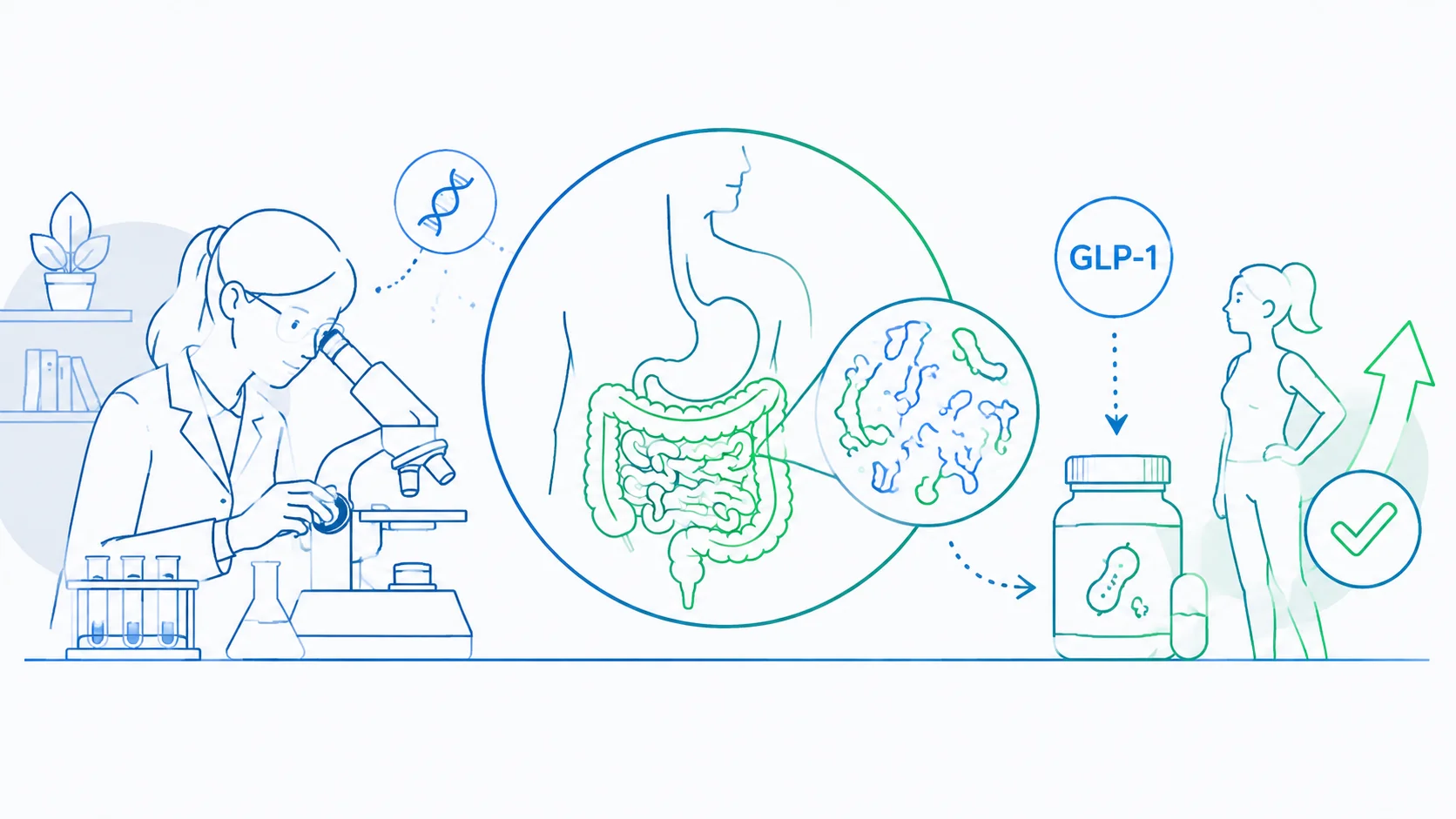
Cleveland Clinic researchers recently discovered that gut bacteria naturally produce lipids called N-acyl serinols that regulate how our bodies produce and sense hormones like GLP-1 and insulin after meals. This finding suggests that manipulating the gut microbiome could help sustain GLP-1 levels without injections.
Key Probiotic Strains & Their Effects
- Christensenella intestinihominis MNO-863 — Reduced body weight by 10% from baseline; anti-obesity efficacy comparable to Liraglutide.
- Ligilactobacillus salivarius XA-1416 — Activates the “bile acid-GLP-1” pathway, enabling natural GLP-1 secretion.
- Akkermansia muciniphila — Leads 76% of all biotic products making GLP-1 claims on Amazon.
- Bifidobacterium species — Stimulates GLP-1 production and supports metabolic function.
The bottom line: Your unique gut microbiome determines how well your body produces GLP-1 naturally — and how well you respond to GLP-1 medications.

3. GLP-1 With vs. Without Probiotics: A Comparative Study
| Metric | GLP-1 Alone | GLP-1 + Probiotics |
|---|---|---|
| Weight Loss | 10–20% body weight | Synergistic, enhanced results |
| GI Side Effects | Nausea, vomiting, diarrhea, constipation (common) | Reduced intolerance, better tolerability |
| Response Rate | 25% lose <5% body weight | More consistent responders |
| GLP-1 Secretion | Medication-dependent | Enhanced natural GLP-1 secretion |
| Weight Regain | Common after discontinuation | May help prevent regain |
| Gut Microbiome | Not directly improved | Restored diversity & beneficial bacteria |
What the Research Shows
A study found that co-administration of probiotics led to a significant increase in GLP-1 levels. Patients taking probiotics showed meaningful increases in GLP-1 — though less pronounced than with GLP-1 receptor agonists alone, the combination had an additive effect on hormonal and metabolic profiles.
In animal studies, Christensenella intestinihominis MNO-863 matched the anti-obesity efficacy of Liraglutide (a GLP-1 analogue). When combined, the two showed synergistic therapeutic potential.
⚡ GLP-1 medications work. But GLP-1 medications + the right probiotics work better — with fewer side effects.
Probiotics don’t replace GLP-1 drugs. Instead, they complement and enhance them. Think of probiotics as the support system that helps your body make the most of GLP-1 therapy while minimizing the downsides.
4. The Personalized Probiotic Promise
Here’s where it gets truly exciting. One-size-fits-all probiotics are becoming obsolete.
“The era of taking any random probiotic is over. The future is analyzing your gut microbiome and having AI recommend the nutrients that work best for you.”
Leading companies like CJ Bioscience are building platforms that combine gut microbiome analysis with artificial intelligence to recommend personalized probiotics. Their research showed that personalized probiotic interventions increased gut microbial diversity and beneficial bacteria while reducing harmful strains.
Why Personalization Matters
Your microbiome is as unique as your fingerprint. The same probiotic strain that works wonders for one person may do nothing for another. Personalized approaches address this by:
- Analyzing your specific gut bacteria composition
- Identifying which strains you’re missing
- Recommending targeted probiotics
- Monitoring and adjusting over time
Integrating microbiome profiling with dietary interventions may help personalize GLP-1-based therapies and explain why individuals respond differently to these treatments.

5. Next-Generation Probiotics: What’s Coming
The science is evolving rapidly. Here’s what’s on the horizon:
Engineered Probiotics
Scientists are now engineering probiotics to produce GLP-1 directly in the gut. A Brazilian research project is investigating a genetically engineered probiotic designed to express GLP-1 and GLP-2, enabling local peptide production at the intestinal mucosa.
Postbiotics
Postbiotics — the beneficial compounds produced by probiotics — are showing remarkable potential. Short-chain fatty acids (SCFAs) produced by probiotics suppress obesity by regulating metabolic hormones like GLP-1 and reducing appetite.
Clinical Trials Underway
- Metagenics is studying whether multivitamin and probiotic supplements can help manage bowel symptoms in people taking GLP-1 medications.
- Chung Shan Medical University is investigating whether a probiotic drink can naturally boost GLP-1 production.
- Trials are exploring whether probiotics can prevent weight regain after GLP-1 discontinuation.
6. Choosing the Right Probiotic for Your GLP-1 Journey
Not all probiotics are created equal. Here’s what to look for:
- Akkermansia muciniphila — The #1 probiotic strain for GLP-1 support, leading 76% of biotic products making GLP-1 claims.
- Bifidobacterium species — Supports GLP-1 production and metabolic function.
- Lactobacillus strains — Multiple species shown to enhance GLP-1 secretion.
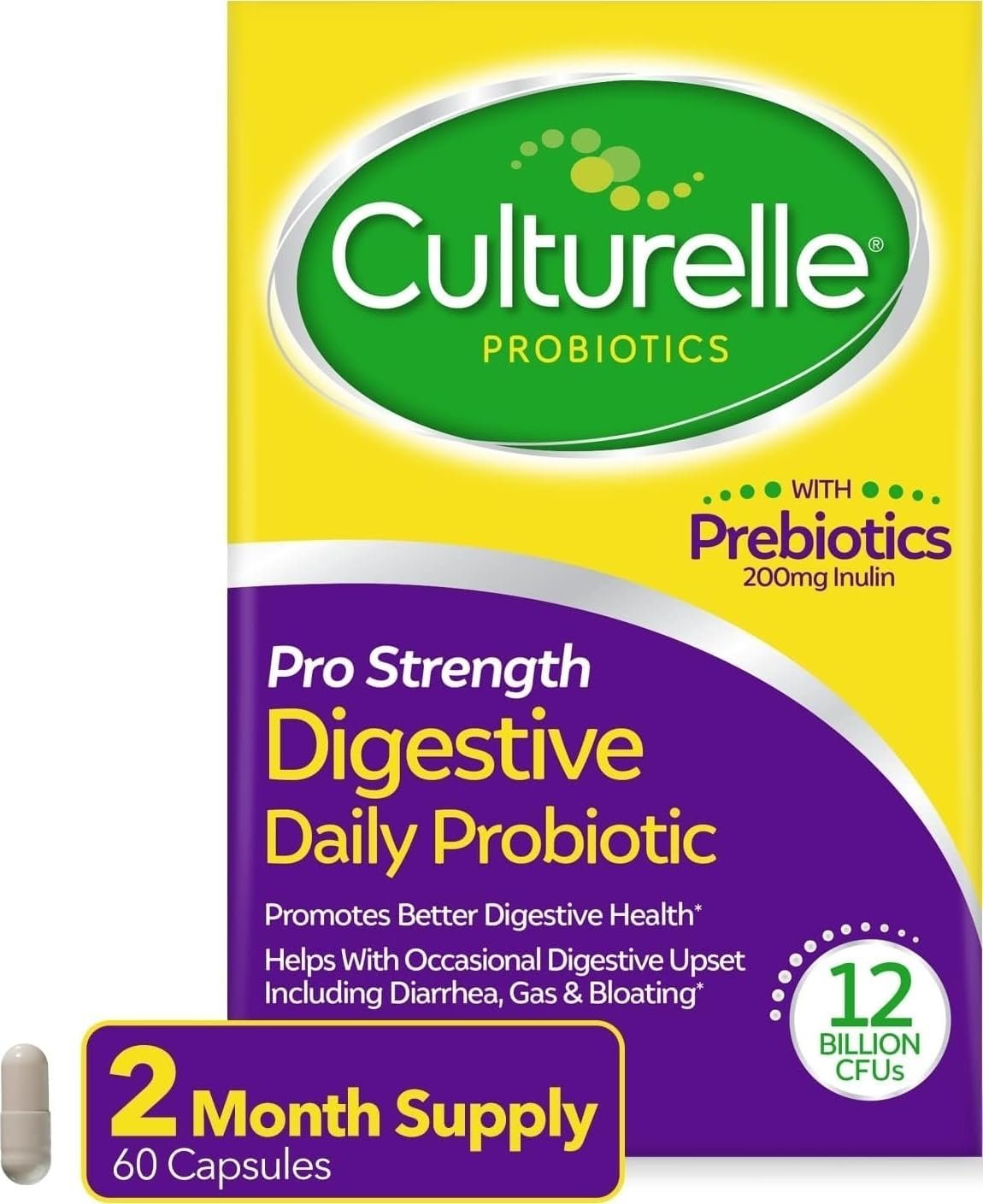
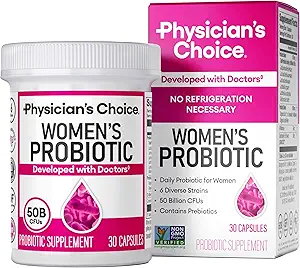
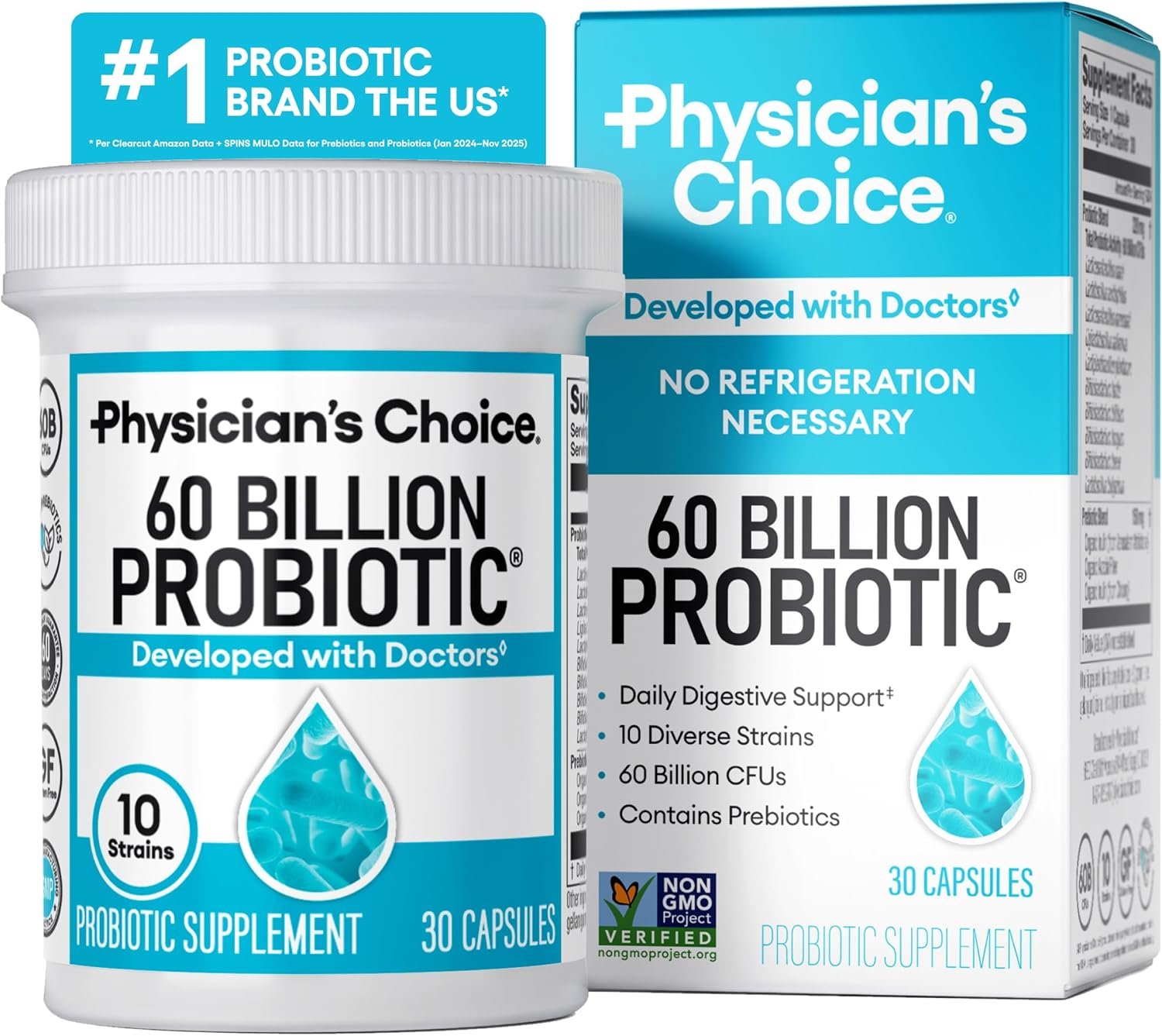
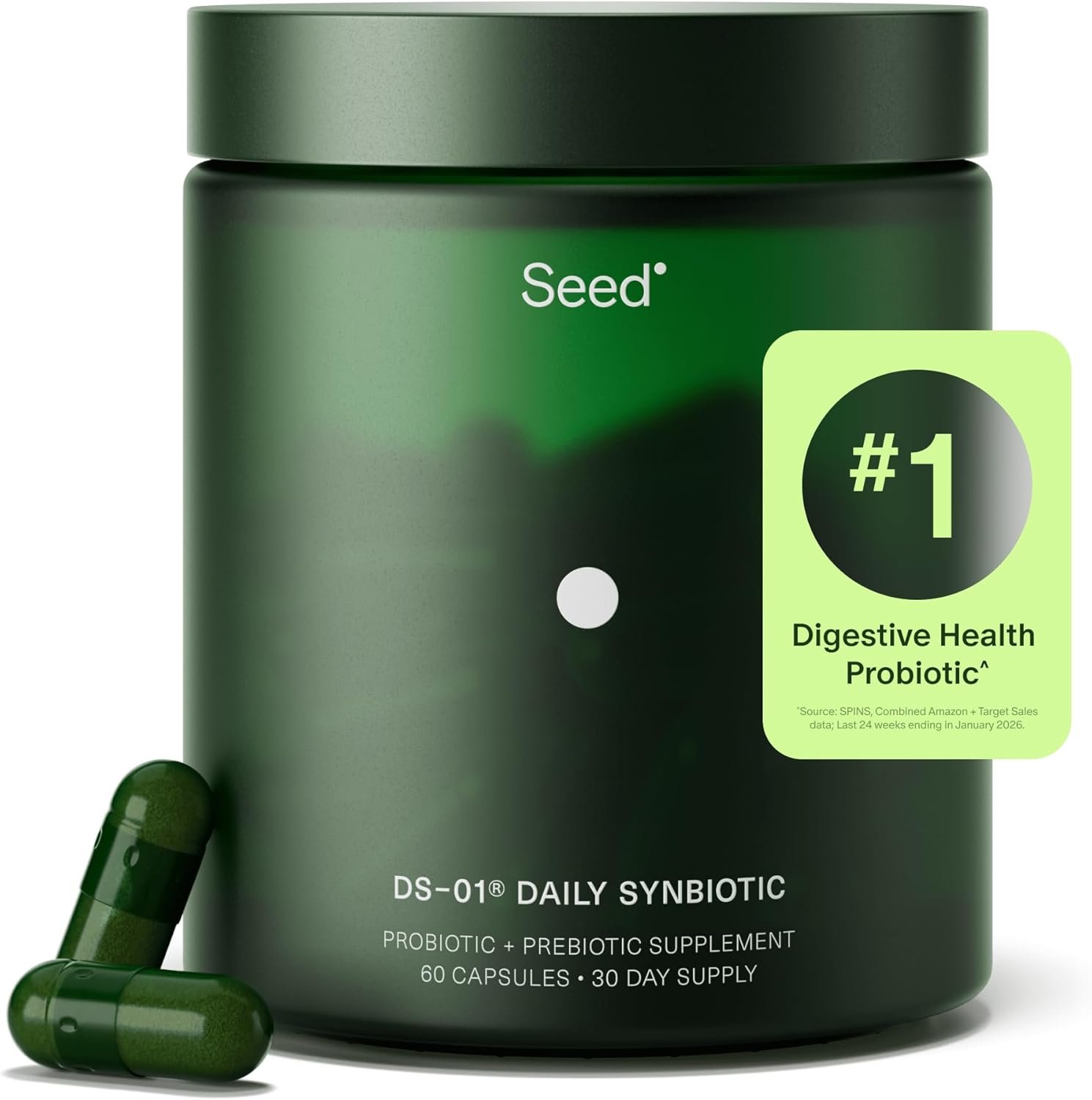
Our Top Picks
What to Look For
- Clinically studied strains — Look for research-backed ingredients
- High CFU count — At least 10–50 billion CFU for therapeutic effects
- Prebiotic inclusion — Prebiotics feed the probiotics
- Quality assurance — Third-party tested, GMP-certified
- Strain specificity — Know which strains you’re getting
7. Final Thoughts
The science is clear: your gut microbiome plays a central role in how your body produces and responds to GLP-1. Personalized probiotics represent the next frontier — moving from generic supplements to targeted, biology-driven interventions that work with your unique microbiome.
Whether you’re currently on GLP-1 medication, considering it, or looking for natural ways to support your metabolic health, the right probiotics could be the game-changer you’ve been waiting for.
The era of personalized microbiome medicine is here. The question isn’t whether probiotics can help with GLP-1 — it’s which probiotics are right for you.
Medical Disclaimer: This article is for informational and educational purposes only and does not constitute medical advice. GLP-1 medications are prescription drugs that should only be taken under the supervision of a qualified healthcare provider. Probiotics are dietary supplements and are not intended to diagnose, treat, cure, or prevent any disease. Always consult with your physician before starting any new supplement, especially if you are taking prescription medications, have underlying health conditions, or are pregnant or nursing. Individual results may vary.