
🧠 The “Food Noise” Breakthrough
For decades, weight loss has been framed as a simple equation of calories in versus calories out. But anyone who has struggled with persistent cravings, emotional eating, or the constant “food chatter” in their head knows it’s never been that simple.
Now, a growing body of research suggests that the real key to silencing that mental noise may live not in your brain — but in your gut. Scientists are calling it the “food noise switch”, and early evidence indicates that specific gut-derived signals can powerfully influence appetite, satiety, and even food preferences.
This isn’t just another diet fad. It’s a paradigm shift that could forever change how we approach weight management. By understanding and modulating the gut–brain axis, we may finally have a biological off‑switch for the cravings that sabotage our best intentions.
In this article, we’ll break down the science, compare the most effective gut‑brain modulators, and give you actionable insights — plus the top tools and supplements that can help you harness this discovery right now.
📊 Comparative Study – Gut–Brain Axis Modulators
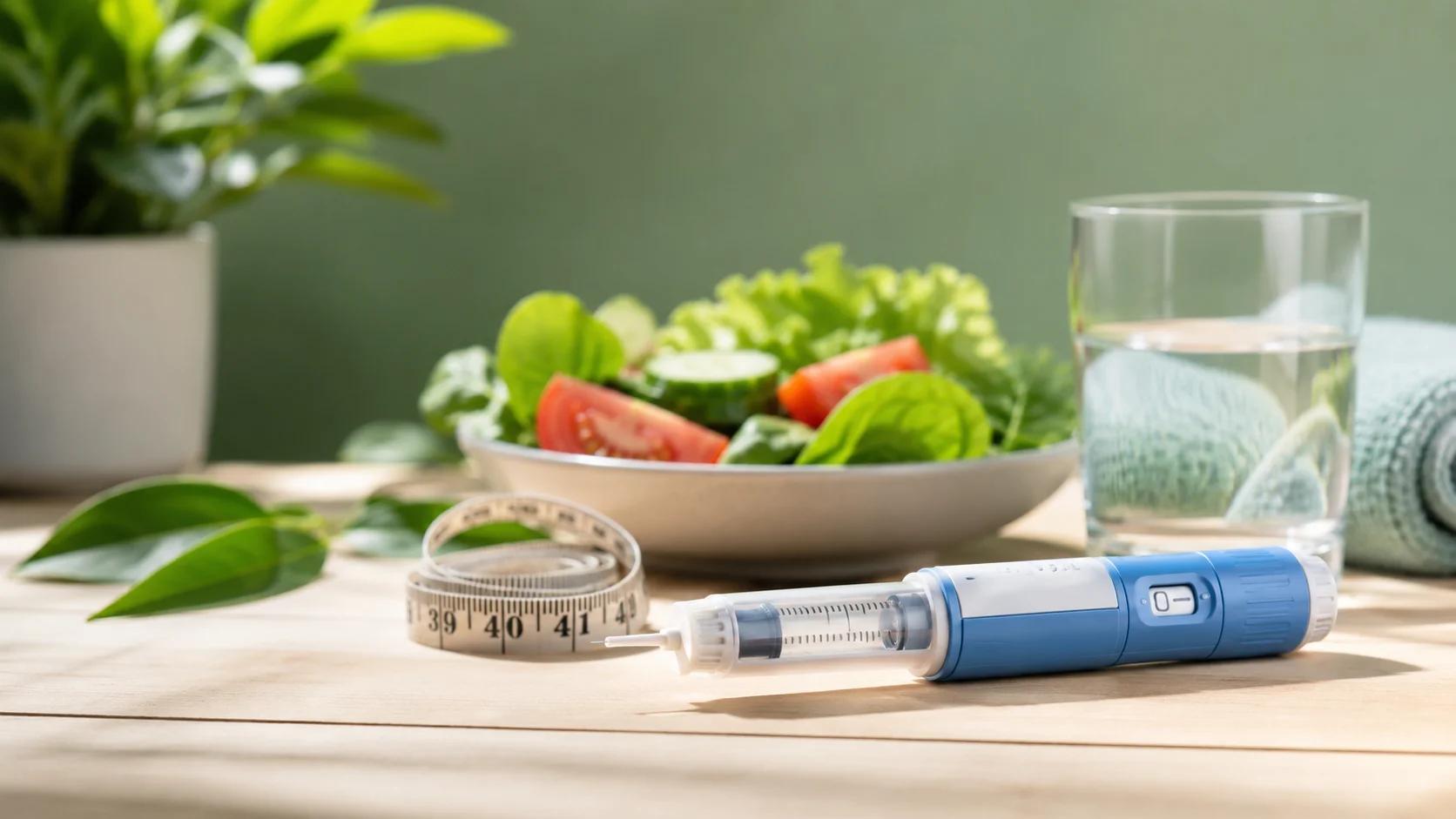
Not all gut‑brain interventions are created equal. Below we compare the leading approaches, from pharmaceutical GLP‑1 agonists to natural prebiotics and targeted supplements.
| Approach | Mechanism | Effect on “Food Noise” | Accessibility |
|---|---|---|---|
| GLP‑1 Agonists Rx | Mimics incretin hormones; slows gastric emptying, enhances satiety | ⬇️⬇️⬇️ Strong reduction in cravings & mental food chatter | Prescription required; significant side effects possible |
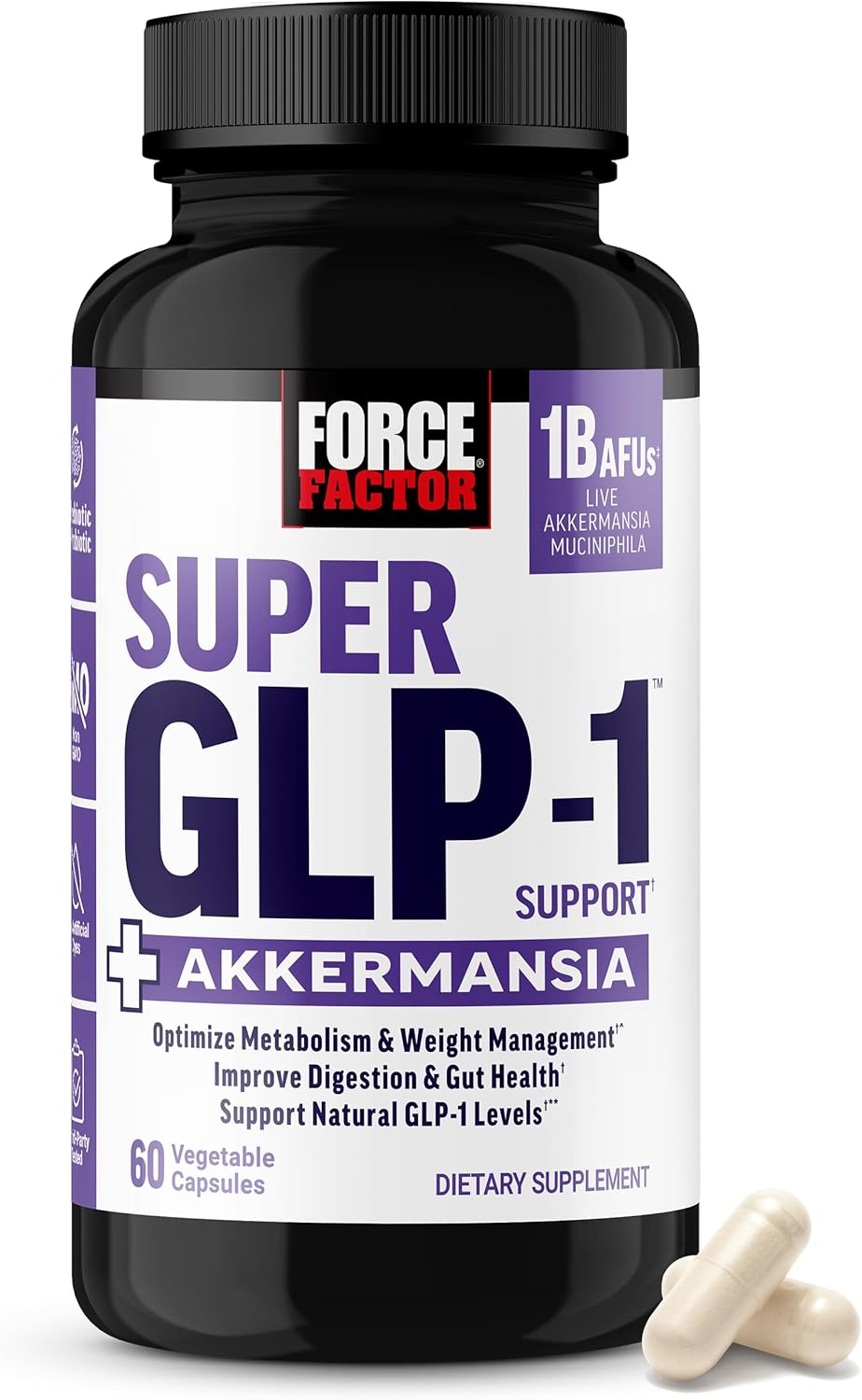
| Natural GLP‑1 Support Supplement | Uses botanical extracts & amino acids to gently boost endogenous GLP‑1 | ⬇️⬇️ Moderate reduction, supports steady appetite control | Over‑the‑counter; well‑tolerated |
| Probiotics + Prebiotics | Modulates gut microbiome composition; influences vagal nerve signaling | ⬇️ Mild‑to‑moderate; gradual effect over weeks | Widely available; safe for daily use |
| Dietary Fiber & Polyphenols | Feeds beneficial bacteria; produces SCFAs that signal satiety | ⬇️ Mild support; best combined with other methods | Dietary; accessible to everyone |
| Gut‑Targeted Peptides Emerging | Directly modulates gut hormone release (PYY, GLP‑1, CCK) | ⬇️⬇️⬇️ Potentially powerful, but still in research phase | Limited availability; clinical trials only |
As the table shows, GLP‑1 modulation — whether through pharmaceuticals or natural supports — currently offers the most direct and potent effect on food noise. But while prescription GLP‑1 drugs are effective, they come with cost, side effects, and accessibility barriers. That’s why many are turning to natural GLP‑1 support supplements as a gentler, sustainable alternative.
⚡ How the Gut “Switch” Actually Works
Your gut and brain are in constant communication via the vagus nerve and a cascade of hormonal signals. When you eat, your gut releases hormones like GLP‑1, PYY, and CCK that tell your brain: “We’re full, stop eating.”
In people with chronic overeating or metabolic resistance, this signaling becomes blunted. The result? The brain never gets the “stop” signal, and food noise — that persistent mental loop about what to eat next — fills the void.
The new research pinpoints a specific enteroendocrine cell pathway that acts as a master switch. When activated, it triggers a rapid release of GLP‑1 and PYY, effectively turning down the volume on food thoughts within minutes.
What’s exciting is that this switch can be influenced not just by drugs, but also by specific nutrients, prebiotic fibers, and bioactive compounds found in certain foods and supplements. This opens the door to a new generation of weight‑loss tools that work with your biology — not against it.
❓ FAQs – Your Top Questions Answered
According to a landmark study published in Nature Food, swapping just 10% of your daily ultra‑processed meat intake for a serving of nuts, legumes, or whole grains is associated with an average gain of 33 minutes of healthy life per portion. The effect comes from reduced inflammation, improved microbiome diversity, and better metabolic markers — all of which support the gut–brain axis. Think walnuts, lentils, oats, and chia seeds.
The 3‑3‑3 rule is a simple behavioral framework to regain control over eating:
- 3 meals – Eat three balanced meals per day, no snacking in between.
- 3 hours – Wait at least 3 hours between meals to allow insulin to normalize.
- 3 ingredients – Each meal should contain at least 3 whole‑food ingredients (protein, fiber, healthy fat).
This structure reduces grazing, stabilizes blood sugar, and gives your gut–brain axis the consistent signals it needs to regulate appetite naturally.
Losing 20 kg (44 lbs) in 5 months requires a deficit of ~1,100 calories per day. That’s aggressive but doable with a multi‑pronged approach:
- Caloric deficit: Combine a 500‑600 calorie daily reduction with 500‑600 calories of activity (brisk walking 90 min, or 45 min of HIIT).
- Gut‑brain support: Use a natural GLP‑1 supplement to curb cravings and reduce food noise, making the deficit easier to maintain.
- Protein‑first: Prioritize 1.6‑2.2 g protein per kg of body weight to preserve muscle and increase satiety.
- Sleep & stress: Poor sleep and high cortisol sabotage weight loss. Aim for 7‑8 hours and practice daily stress management.
Consistency is everything. This pace is challenging but achievable — and gut‑brain support can be the difference maker.
🔥 Unlock Your “Food Noise” Off‑Switch
Discover the science‑backed formula that supports natural GLP‑1 production, curbs cravings, and helps you finally take control of your appetite.
👉 Visit GLP‑1 Research Lab Exclusive for our readers — clinically‑inspired gut‑brain support🛒 Science‑Backed Tools & Supplements
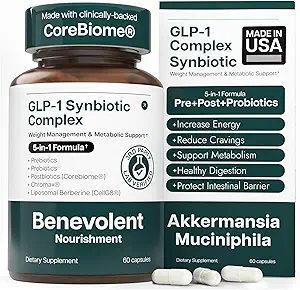
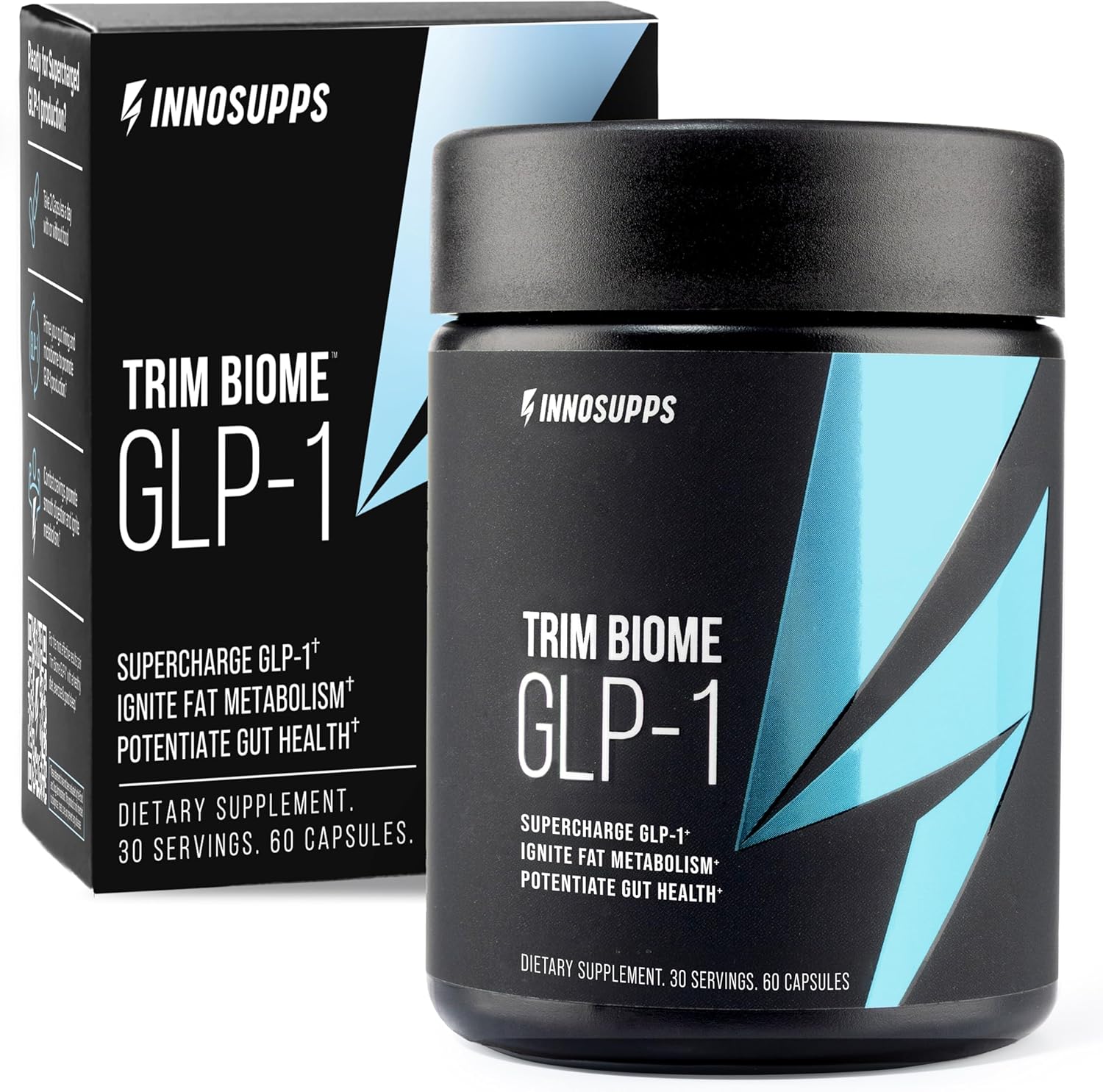
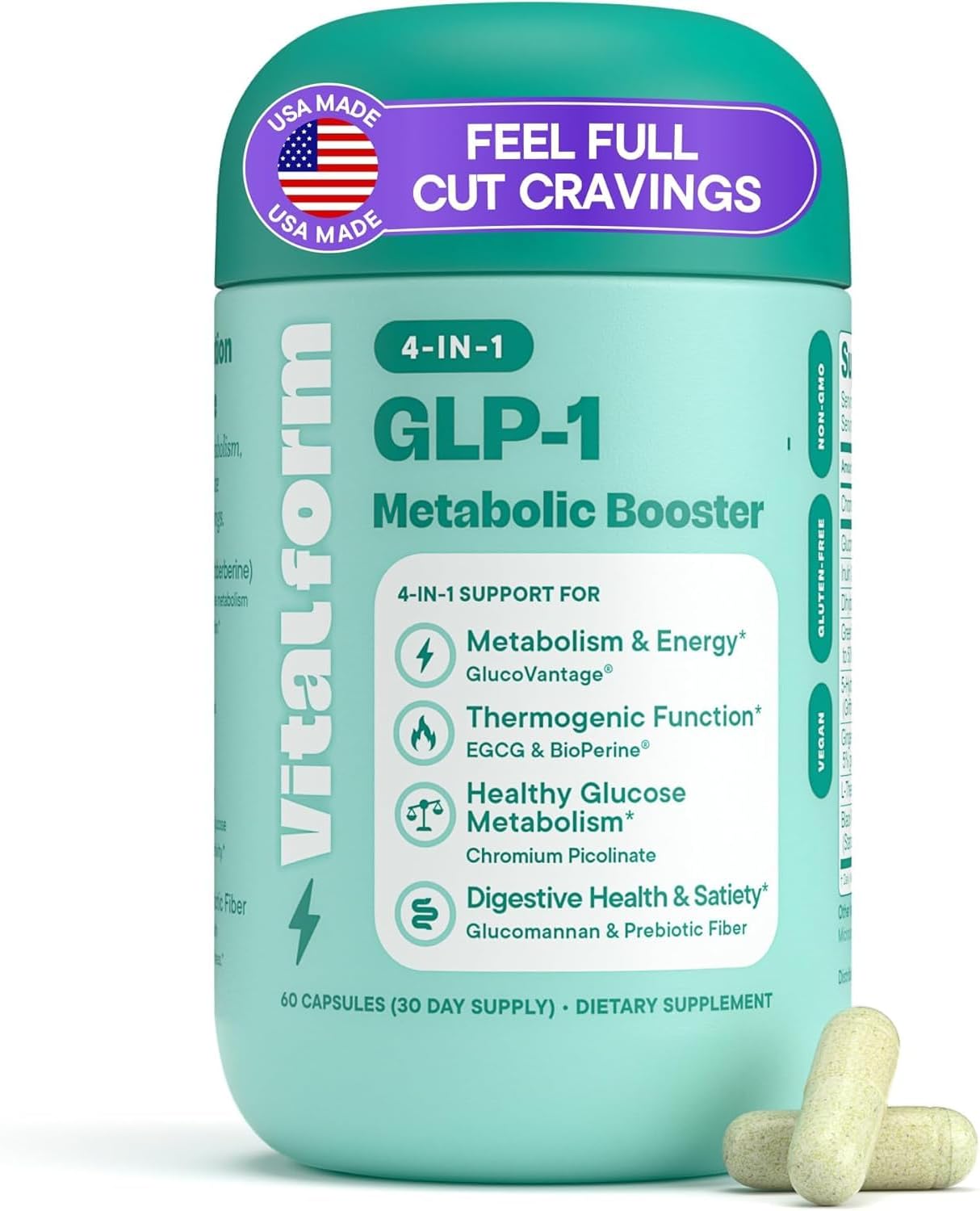
Ready to put this research into action? Here are the top‑rated products that support the gut–brain axis and help quiet food noise.
We only recommend products that align with the latest gut‑brain research. These are affiliate links — we may earn a small commission at no extra cost to you.
📢 Unavoidable Disclosure: Some of the links in this article are affiliate links. This means that if you click on them and make a purchase, we may receive a small commission at no additional cost to you. We only promote products that we believe offer genuine value based on current scientific research. Our content is independent, and we do not accept payment for positive reviews.
⚠️ Medical Disclaimer: The information provided in this article is for educational and informational purposes only and does not constitute medical advice. It is not intended to diagnose, treat, cure, or prevent any disease. Always consult with a qualified healthcare professional before starting any new supplement, diet, or exercise program — especially if you are pregnant, nursing, taking medication, or have a pre‑existing medical condition. Results may vary. Individual responses to supplements and lifestyle changes are unique.
📌 FDA Disclaimer: The statements made about supplements and products have not been evaluated by the Food and Drug Administration. These products are not intended to diagnose, treat, cure, or prevent any disease.
Last updated: June 2026