

📑 Table of Contents
- What Are GLP-1 Receptor Agonists?
- Mechanism 1: Central Appetite Suppression
- Mechanism 2: Delayed Gastric Emptying
- Mechanism 3: Enhanced Satiety Signaling
- Mechanism 4: Reduced Reward-Driven Eating
- Mechanism 5: Gut Hormone Regulation
- Mechanism 6: Increased Energy Expenditure
- Mechanism 7: Improved Metabolic Health
- The Evidence: What Clinical Trials Show
- Natural Supplements That Increase Metabolism and Burn Fat
- FAQ Section
- References and Further Reading
- Disclaimer
1. What Are GLP-1 Receptor Agonists?
Glucagon-like peptide-1 (GLP-1) receptor agonists are a class of medications that mimic the natural GLP-1 hormone produced in the gut after eating. This hormone regulates blood sugar, appetite, and digestion. Originally developed for type 2 diabetes, these drugs have become powerful tools for weight management.
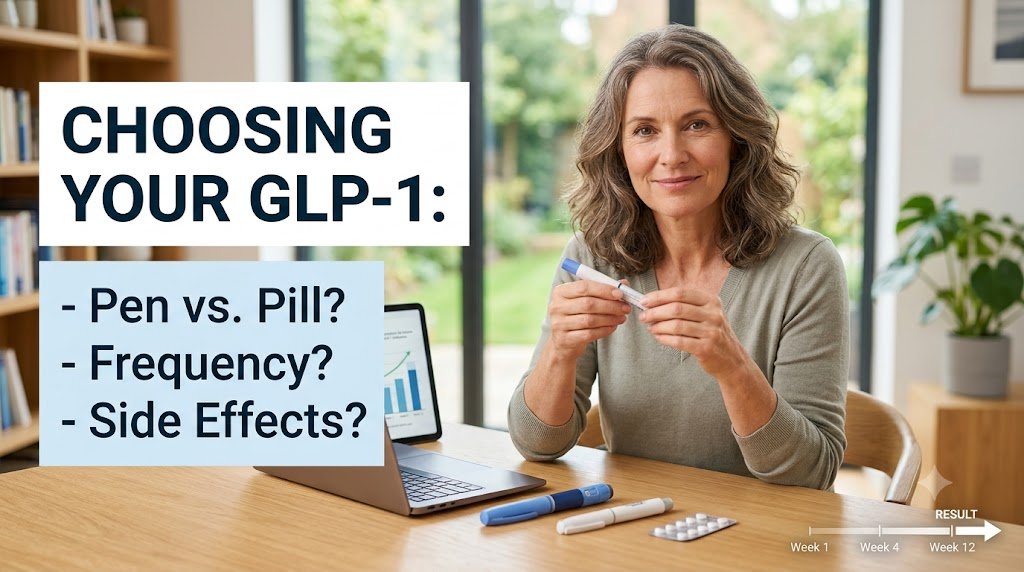
FDA-approved GLP-1 medications for weight loss include:
| Medication | Brand Names | Administration | Weight Loss Effect |
|---|---|---|---|
| Semaglutide | Wegovy®, Ozempic® | Weekly injection or daily oral | ~11-15% body weight |
| Tirzepatide | Zepbound®, Mounjaro® | Weekly injection | ~16-21% body weight |
| Liraglutide | Saxenda®, Victoza® | Daily injection | ~4-5% body weight |
While pharmaceutical interventions are highly effective, many people also explore supplements that increase metabolism and burn fat to support their weight management goals. Let’s explore exactly how GLP-1 drugs achieve their remarkable results.
2. Mechanism 1: Central Appetite Suppression
The primary way GLP-1 drugs crush hunger is through direct action on the brain.
How it works:
When GLP-1 receptor agonists enter the bloodstream, they travel to the brainstem and hypothalamus—regions that control appetite and energy homeostasis. Specifically, they activate GLP-1 receptors in the nucleus tractus solitarii (NTS) and area postrema, which then relay signals to the arcuate nucleus of the hypothalamus.
The arcuate nucleus contains two types of neurons:
- Anorexigenic neurons (appetite-suppressing): These release pro-opiomelanocortin (POMC), which signals satiety
- Orexigenic neurons (appetite-stimulating): These release neuropeptide Y (NPY) and agouti-related peptide (AgRP), which signal hunger
GLP-1 RAs increase release of anorexigenic peptides while decreasing release of orexigenic peptides, resulting in reduced food intake.
Additional brain regions affected:
- Paraventricular nucleus: Influences release of corticotropin-releasing hormone, oxytocin, and thyrotropin-releasing hormone—all of which reduce food intake
- Lateral hypothalamus: Inhibits orexin-producing neurons that stimulate appetite
This comprehensive brain-based appetite suppression explains why people on GLP-1 medications report feeling genuinely less hungry, not just more disciplined about eating.
3. Mechanism 2: Delayed Gastric Emptying
One of the most tangible effects of GLP-1 drugs is how they slow down the digestive process.
How it works:
GLP-1 receptor agonists significantly reduce the rate at which food leaves the stomach and enters the small intestine. This delayed gastric emptying triggers the activation of gastric mechanoreceptors—stretch receptors in the stomach wall that detect fullness.
The result:
- You feel full faster when eating
- You stay full longer between meals
- The sensation of fullness is more intense and sustained
This mechanism is so powerful that it’s one of the primary reasons people on these medications eat significantly smaller portions without feeling deprived.
4. Mechanism 3: Enhanced Satiety Signaling
GLP-1 drugs amplify your body’s natural “I’m full” signals.
How it works:
Leptin is a hormone primarily produced by adipose tissue that acts on the hypothalamus to reduce appetite and increase energy expenditure. In many people with obesity, leptin resistance develops—meaning the brain doesn’t respond effectively to leptin’s satiety signals.
GLP-1 RAs enhance leptin signaling by reducing leptin resistance, making the brain more responsive to this natural fullness hormone. This means:
- Satiety signals from the gut become more effective
- The brain receives clearer “stop eating” messages
- The desire to continue eating after becoming full diminishes
Additionally, GLP-1 RAs affect the paraventricular nucleus, influencing the release of thyrotropin-releasing hormone, which further contributes to reduced food intake.
4. Mechanism 4: Reduced Reward-Driven Eating
Beyond physical fullness, GLP-1 drugs address the psychological aspects of eating.
How it works:
The mesolimbic reward pathway—which includes areas like the ventral tegmental area and nucleus accumbens—processes rewarding stimuli, including highly palatable foods. When GLP-1 receptors in these areas are activated, dopamine release decreases.
The result:
- The rewarding sensation typically associated with food diminishes
- Motivation to consume high-calorie, palatable foods decreases
- Hedonic (pleasure-driven) eating is reduced
Additionally, GLP-1 action in the mesolimbic system can influence serotonin levels, which are associated with mood and satiety. This broad neurotransmitter modulation contributes to reduced reward-driven behaviors and less craving for comfort foods.
5. Mechanism 5: Gut Hormone Regulation
GLP-1 drugs modulate the entire orchestra of gut hormones that control appetite.
Ghrelin (the “hunger hormone”):
Ghrelin is primarily produced and secreted by the stomach when empty. It stimulates appetite, increases food intake, and promotes fat storage. GLP-1 RAs decrease ghrelin levels, contributing to their appetite-suppressing effects.
Peptide YY (PYY):
Produced in the intestines and colon, PYY is released in response to food intake and acts as a potent satiety signal. GLP-1 RAs enhance the release and action of PYY, amplifying its appetite-suppressing effects.
Cholecystokinin (CCK):
Produced in the small intestine, CCK promotes digestion and inhibits further food intake by inducing a feeling of fullness. GLP-1 RAs appear to enhance CCK’s release and action.
The combined effect:
By simultaneously reducing hunger signals (ghrelin) and amplifying fullness signals (PYY, CCK), GLP-1 drugs create a powerful hormonal environment that promotes sustained calorie reduction.
6. Mechanism 6: Increased Energy Expenditure
While appetite suppression is the primary mechanism, GLP-1 drugs also enhance metabolic rate.
How it works:
Research shows that GLP-1 RAs increase energy expenditure, meaning the body burns more calories at rest. This occurs through several pathways:
- Central effects: GLP-1 signaling in the hypothalamus influences the release of thyrotropin-releasing hormone, which can increase metabolic rate
- Brown adipose tissue activation: GLP-1 may stimulate thermogenesis in brown fat, increasing calorie burning
- Improved insulin sensitivity: Better glucose utilization supports metabolic efficiency
Important note: The weight loss from GLP-1 drugs comes primarily from appetite reduction (creating a calorie deficit), but the metabolic boost provides meaningful additional benefit.
7. Mechanism 7: Improved Metabolic Health
Beyond direct weight loss, GLP-1 drugs create systemic metabolic improvements that support sustained weight management.
Key metabolic benefits:
| Parameter | Effect of GLP-1 RAs |
|---|---|
| Blood sugar | Enhanced insulin secretion, reduced glucagon release |
| Lipids | Reduced triglycerides and LDL cholesterol |
| Adipose tissue | Reduced inflammation and ectopic fat deposition |
| Cardiovascular | Reduced risk of heart attack, stroke, heart failure |
| Liver | Reduced incidence of liver disease |
The virtuous cycle:
As weight loss progresses and metabolic health improves, the body becomes more efficient at maintaining a healthy weight. This means the effects of GLP-1 drugs are not just about losing weight—they’re about creating an internal environment that supports keeping it off.
9. The Evidence: What Clinical Trials Show
Cochrane reviews commissioned by the World Health Organization (WHO) have confirmed the remarkable efficacy of GLP-1 medications.
Key findings from major trials:
- Tirzepatide resulted in approximately a 16% weight reduction after 12 to 18 months, with effects potentially sustained for up to 3.5 years
- Semaglutide reduced body weight by around 11% after 24 to 68 weeks, with effects likely sustained up to two years
- Liraglutide resulted in a more modest average weight reduction of around 4-5%
An umbrella review of systematic reviews and meta-analyses found that tirzepatide demonstrated the greatest mean weight reduction (mean difference: −17.60 kg), followed by semaglutide (MD: −11.85 kg).
The WHO notes that most people taking GLP-1 therapies lose at least 5% of their body weight, with better results achieved when combined with structured behavioral interventions incorporating healthy diet and physical activity.
10. Natural Supplements That Increase Metabolism and Burn Fat
Interest in natural alternatives to GLP-1 medications has grown significantly, with many seeking supplements that increase metabolism and burn fat.
Common “natural GLP-1” supplement ingredients include:
- Berberine: A plant-based compound with small studies suggesting modest weight-loss benefits
- Psyllium husk: Soluble fiber that promotes fullness
- Green tea extract: May slightly boost metabolism
- Ginger: Believed to boost metabolism and fat burning
- Lemon verbena and hibiscus (Metabolaid®): A proprietary blend that claims to support GLP-1 and activate AMPK for fullness
What experts say:
Obesity medicine specialists are clear on the evidence gap. According to Verywell Health, “there is a lack of quality evidence showing that any of these supplements are effective for weight loss, especially compared to the efficacy of currently available prescription medications.”
Women’s Health reports that natural supplements have “very mild effects” on weight loss, and “there’s little to no scientific evidence to support GLP-1 supplements effectively raising GLP-1 levels to cause significant weight loss.”
Key considerations:
- Clinical trials show semaglutide leads to ~16% weight loss, while supplement studies show a range of 1 to 4.5 lbs
- The FDA does not regulate dietary supplements for safety and effectiveness
- Supplements can interact with medications or cause side effects
The bottom line: While some supplements may offer mild metabolic support, none compare to the significant weight-loss effects of prescription GLP-1 medications. If you’re exploring supplements that increase metabolism and burn fat, consult a healthcare provider first.
11. FAQ Section
How do GLP-1 drugs suppress appetite?
GLP-1 drugs work primarily in the brain—specifically the hypothalamus and brainstem—to reduce hunger signals and increase fullness. They also slow gastric emptying and enhance satiety hormones like leptin, PYY, and CCK.
What percentage of weight loss can I expect from GLP-1 drugs?
Clinical trials show tirzepatide leads to ~16-21% weight loss, semaglutide ~11-15%, and liraglutide ~4-5%. These results are typically achieved over 12-18 months.
Are there natural supplements that increase metabolism and burn fat like GLP-1 drugs?
No. While supplements like berberine, green tea, and fiber may offer mild metabolic benefits, they do not match the significant weight-loss effects of prescription GLP-1 medications.
Do GLP-1 drugs cause loss of muscle mass?
Yes, lean mass loss of about 25-40% occurs with GLP-1-induced weight loss, but this is similar to what happens with any calorie restriction approach. The proportion of lean mass relative to total body weight typically increases, and the benefits of weight loss generally outweigh concerns. Combining these drugs with resistance training and adequate protein intake can help preserve muscle.
Are GLP-1 drugs safe?
Common side effects include nausea, vomiting, constipation, and diarrhea—usually mild to moderate and decreasing over time. More serious but rare side effects include biliary disease, pancreatitis, and bowel obstruction. Always use these medications under medical supervision.
Do I need to stay on GLP-1 drugs forever?
GLP-1 therapies are generally long-term treatments (6 months or longer). Weight regain after stopping treatment is common, suggesting the effects depend on continued use. Lifestyle modifications—healthy diet and physical activity—remain essential components of any obesity care program.
Can GLP-1 drugs prevent cardiovascular disease?
Yes. Some GLP-1 drugs lower the risk of heart attack, stroke, and heart failure, and reduce the incidence of type 2 diabetes, kidney, and liver disease.
12. References and Further Reading
- Moiz, A., et al. (2025). Mechanisms of GLP-1 Receptor Agonist-Induced Weight Loss: A Review of Central and Peripheral Pathways. American Journal of Medicine, 138(6).
- Cochrane Review. (2025). GLP-1 drugs effective for weight loss, but more independent studies needed. Cochrane.
- Verywell Health. (2025). Does ‘Nature’s Ozempic’ Exist? What Science Says About Natural Alternatives.
- Women’s Health. (2026). Do ‘Natural GLP-1 Supplements’ Actually Work as Well as Ozempic?
- Geisinger Health System. (2026). Natural ways to boost your GLP-1 hormone.
- World Health Organization. (2025). Obesity: GLP-1 therapies.
- BMJ Nutrition, Prevention & Health. (2025). GLP-1 receptor agonists induce loss of lean mass: so does caloric restriction.
- ScienceDirect. (2025). Efficacy and safety of GLP-1 RAs in non-diabetic adults with overweight/obesity.
- Monteloeder. (2025). Metabolaid – The Natural GLP-1 Supporter.
- American College of Cardiology. (2026). SYNCHRONIZE-1: GLP-1 Survodutide Led to Significant Weight Loss.
GLP-1 medications like semaglutide (Ozempic, Wegovy) and tirzepatide (Mounjaro, Zepbound) have revolutionized weight management[reference:0]. But how exactly do they reduce appetite naturally? And more importantly — can you boost your own GLP-1 without drugs?
This comprehensive guide unpacks the science of GLP-1, explores foods that increase GLP-1 naturally, compares natural vs. pharmaceutical approaches, and gives you a practical GLP-1 food list to start using today.
🧬 1. What Is GLP-1?
GLP-1 (glucagon-like peptide-1) is a hormone produced in your gut — specifically by L-cells in the small intestine — every time you eat[reference:1][reference:2]. Once released, it acts as a messenger between your digestive system, brain, and pancreas[reference:3].
Its primary jobs are threefold[reference:4]:
- Stimulates insulin release from your pancreas to lower blood sugar[reference:5]
- Blocks glucagon (a hormone that raises blood sugar)[reference:6]
- Delays stomach emptying and decreases appetite to promote satiety[reference:7]
After being released, GLP-1 is quickly broken down by enzymes within minutes — which is why its natural effects are short-lived[reference:8]. GLP-1 medications work by mimicking this hormone and keeping it active much longer[reference:9].
Unlock the Full Potential of GLP-1
For research purposes only. GLP-1ResearchLab offers high‑purity tirzepatide for qualified researchers. If you’re exploring the science behind GLP-1 and GIP co‑agonism, this is your trusted source.
🔬 Explore Tirzepatide 3‑Vial Pack🍽️ 2. How GLP-1 Reduces Appetite
GLP-1 reduces hunger through a dual-action mechanism — it works both in your gut and your brain[reference:10].
In the Gut
GLP-1 slows gastric emptying — meaning food stays in your stomach longer[reference:11]. This physically stretches your stomach, sending “I’m full” signals to your brain via the vagus nerve[reference:12]. Studies show that physiological levels of GLP-1 powerfully reduce the rate of nutrient entry into circulation by slowing gastric emptying[reference:13].
In the Brain
GLP-1 crosses the blood-brain barrier and binds to receptors in the hypothalamus — the brain’s appetite control center[reference:14]. It activates neurons that inhibit hunger-promoting AgRP neurons, effectively turning down the volume on “food noise” and cravings[reference:15][reference:16].
The result? You feel fuller faster, stay satisfied longer, and experience fewer cravings[reference:17].
⏳ 3. Does GLP-1 Slow Digestion?
Yes — and that’s one of its most important effects.
GLP-1 delays gastric emptying by relaxing the gastric fundus, inhibiting antral contractility, and stimulating pyloric sphincter motility[reference:18]. This means food moves from your stomach to your small intestine more slowly[reference:19].
Why does this matter for appetite?
- Physical fullness — food stays in your stomach longer, creating a sensation of being full[reference:20]
- Steadier blood sugar — slower glucose absorption prevents spikes and crashes that trigger hunger[reference:21]
- Extended satiety — you feel satisfied for hours after a meal[reference:22]
🧠 4. How GLP-1 Affects the Brain
GLP-1’s brain effects are just as powerful as its gut effects.
When GLP-1 reaches the brain, it binds to receptors in the arcuate nucleus of the hypothalamus — a region that plays a crucial role in regulating hunger and satiety[reference:23]. This triggers a cascade of signals that[reference:24]:
- Reduce feelings of hunger
- Decrease energy intake
- Suppress food cravings
- Alter food preferences (reducing desire for high-calorie foods)
Neuroimaging studies also show that GLP-1 receptor agonists influence brain activity during food cognition, supporting a role in pre-ingestive satiation — meaning you feel full before you even start eating[reference:25].
🥑 5. Foods That Increase GLP-1 Naturally
Certain foods can stimulate the release of GLP-1 or help maintain its activity in the body[reference:26]. The three most powerful nutrient categories are:
🥩 Protein
Protein promotes the release of GLP-1 and helps you feel full[reference:27]. Best options include[reference:28]:
- Lean meats, poultry, fish, and seafood
- Eggs — research shows eggs encourage intestinal cells to release GLP-1[reference:29]
- Yogurt, beans, peas, lentils, nuts, seeds, and soy products
🥑 Healthy Fats
Monounsaturated fats and omega-3s increase GLP-1 release and slow stomach emptying[reference:30]. Best options include[reference:31]:
- Olive oil and avocado oil[reference:32]
- Avocados — high in both fiber and monounsaturated fats[reference:33]
- Nuts (walnuts, pistachios, almonds) and seeds (chia, flax)[reference:34]
- Fatty fish: salmon, herring, mackerel, sardines, tuna
🌾 Fiber
Fiber — especially soluble fiber — is fermented by gut bacteria into short-chain fatty acids (SCFAs) like butyrate, which stimulate GLP-1 secretion[reference:35][reference:36]. Best options include[reference:37]:
- Whole grains: oats, barley, whole wheat[reference:38]
- Legumes: beans, edamame, lentils, split peas
- Vegetables: artichokes, asparagus, Brussels sprouts, carrots, broccoli[reference:39][reference:40]
Premium GLP-1 Research Compounds
Trusted by labs worldwide. GLP-1ResearchLab provides high‑quality tirzepatide for research applications. Whether you’re studying metabolic pathways or developing new protocols, their 3‑vial pack offers exceptional value.
🧪 Order Tirzepatide 3‑Vial Pack🌿 6. How to Increase GLP-1 Naturally
Beyond specific foods, how you eat matters just as much as what you eat[reference:41]. Here are science-backed strategies to naturally boost your GLP-1[reference:42]:
🍽️ Meal Timing & Order
- Eat protein, fat, and vegetables before carbohydrates — this slows digestion and prolongs the GLP-1 response[reference:43]
- Aim for ~30g of high-quality protein per meal — protein triggers L-cells to release GLP-1[reference:44]
- Include healthy fats with every meal — olive oil and avocado have been shown to significantly increase post-meal GLP-1 levels[reference:45]
🏃 Exercise
Both acute and chronic aerobic and resistance exercise modestly boost GLP-1, particularly in patients with type 2 diabetes[reference:46].
🧘 Lifestyle Factors
- Stress reduction — chronic stress impairs incretin response
- Improved sleep hygiene — poor sleep disrupts hunger hormones
- Mindful eating — chewing slowly and being present during meals has been linked to better GLP-1 activity[reference:47]
Important note: While these strategies can modestly enhance endogenous GLP-1 secretion, they do not replicate the potency of semaglutide‑level GLP‑1 receptor agonism[reference:48].
📋 7. GLP-1 Food List
Here’s a quick-reference GLP-1 food list to help you build meals that naturally stimulate this powerful satiety hormone.
🥩 Protein-Rich Foods
🥑 Healthy Fats
🌾 High-Fiber Foods
🚫 Foods to Avoid or Limit
While on a GLP-1-friendly diet or GLP-1 medication, avoid or limit[reference:49][reference:50]:
- Fried, greasy foods — may exacerbate nausea[reference:51]
- High-sugar foods and beverages — juice, soda, cake, candy[reference:52]
- Overly processed foods — empty calories without micronutrient support[reference:53]
- Large meals — smaller portions are easier to digest[reference:54]
- Other weight-loss supplements — ephedra, green tea extract, garcinia cambogia may further reduce appetite and increase nutrient deficiency risk[reference:55]
📊 8. Comparative Table: Natural GLP-1 vs. GLP-1 Medications
| Feature | Natural GLP-1 Stimulation | GLP-1 Medications (Semaglutide, Tirzepatide) |
|---|---|---|
| Mechanism | Stimulates endogenous GLP-1 release via food and lifestyle[reference:56] | Mimics GLP-1 and activates receptors directly[reference:57] |
| Potency | Modest increase[reference:58] | Powerful, sustained activation[reference:59] |
| Duration of effect | Minutes (natural GLP-1 half-life)[reference:60] | Days to a week (extended half-life)[reference:61] |
| Appetite suppression | Moderate, meal-dependent | Strong, continuous[reference:62] |
| Gastric emptying | Temporary slowing[reference:63] | Significant, prolonged slowing[reference:64] |
| Brain effects | Mild satiety signaling[reference:65] | Strong activation of hypothalamic satiety circuits[reference:66] |
| Weight loss potential | Modest, requires consistency | Significant, clinically proven[reference:67] |
| Side effects | Minimal (digestive adjustment) | Nausea, GI discomfort possible[reference:68] |
| Access | Over-the-counter (food) | Prescription required (or research-grade)[reference:69] |
Stock Up on Tirzepatide for Your Lab
For bulk research purposes. GLP-1ResearchLab offers competitive pricing on tirzepatide 3‑vial packs. Ideal for institutions, labs, and researchers conducting metabolic studies.
📦 Order Bulk Tirzepatide🛒 Featured GLP-1 Support Product on Amazon
❓ 9. FAQ — Your Top Questions
GLP-1 (glucagon-like peptide-1) is a hormone produced in your gut after eating. It helps regulate blood sugar, slows digestion, and signals your brain that you’re full[reference:70][reference:71].
Yes. GLP-1 delays gastric emptying by relaxing the stomach fundus and inhibiting antral contractility[reference:72]. This keeps food in your stomach longer, promoting fullness and steady blood sugar[reference:73].
GLP-1 reduces hunger through two pathways: it slows gastric emptying (physical fullness) and binds to receptors in the hypothalamus to turn down hunger signals[reference:74][reference:75].
GLP-1 activates neurons in the arcuate nucleus of the hypothalamus that inhibit hunger-promoting AgRP neurons[reference:76]. This reduces cravings, “food noise,” and overall appetite[reference:77].
GLP-1 slows stomach emptying so food stays in your stomach longer, physically stretching it and sending fullness signals to your brain via the vagus nerve[reference:78]. It also directly activates brain satiety centers[reference:79].
Protein-rich foods (eggs, meat, fish, yogurt), healthy fats (olive oil, avocados, nuts, fatty fish), and high-fiber foods (oats, beans, vegetables, whole grains) all stimulate GLP-1 release[reference:80][reference:81].
Eat protein, fat, and vegetables before carbohydrates; aim for ~30g of protein per meal; include healthy fats and fiber; exercise regularly; reduce stress; and practice mindful eating[reference:82][reference:83].
Some small studies suggest berberine, curcumin, and ginseng may boost GLP-1 levels[reference:84]. However, these effects are modest compared to medications. Always consult a healthcare provider before starting supplements[reference:85].
Avoid fried, greasy foods, high-sugar foods and beverages, overly processed foods, and large meals[reference:86][reference:87]. Also avoid other weight-loss supplements like ephedra and garcinia cambogia[reference:88].
Yes. A GLP-1-supportive diet focuses on protein, healthy fats, and fiber — all of which naturally stimulate GLP-1 release[reference:89]. While not as potent as medication, this approach can support weight management and metabolic health[reference:90].
This article contains affiliate links. If you click on a link and make a purchase, we may earn a commission at no extra cost to you. Our content is for informational purposes only and does not constitute medical advice. Always consult a qualified healthcare provider before starting any new supplement, medication, or therapy. GLP‑1 agonists are prescription medications in many jurisdictions and should only be used under medical supervision.
FDA Disclaimer: These statements have not been evaluated by the Food and Drug Administration. This product is not intended to diagnose, treat, cure, or prevent any disease.
Research Use Only: Products from GLP-1ResearchLab are sold for research purposes only. They are not for human or veterinary use. Researchers must comply with all applicable laws and institutional guidelines.